
Bringing Your Own Rods and Tackle into Costa Rica
Airlines, Customs and What's Worth Packing
You can bring your own rods and tackle into Costa Rica as ordinary luggage, as long as it's for your own use: travellers arriving with only their luggage don't fill in a goods declaration. Pack rods in a hard tube, keep reels in your carry-on, put hooks and knives in checked bags, and check the much tighter rules if you're connecting to a small SANSA plane.
At a glance
- Customs
- Personal gear travels as luggage; no goods declaration if you bring only luggage
- Carry-on
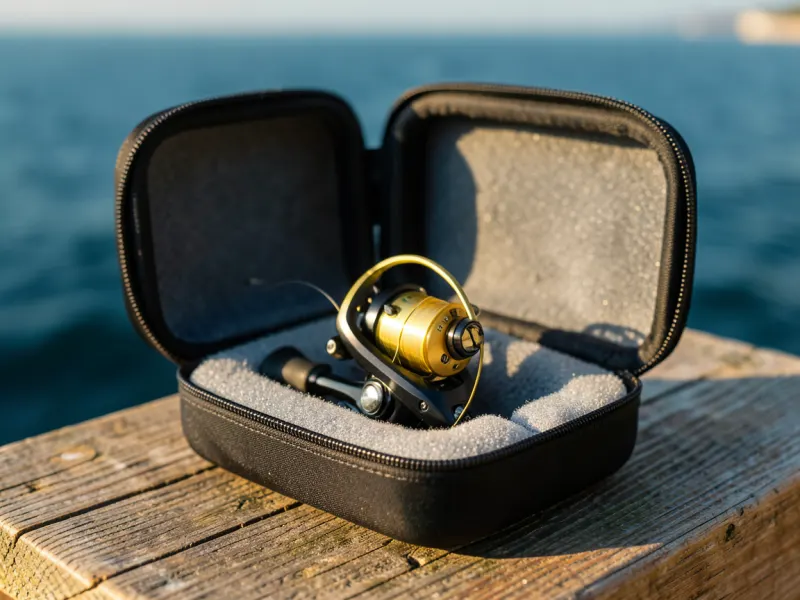
- TSA allows rods, but the airline decides the size; reels and small flies are fine
- Checked only
- Large hooks, gaffs, knives and other sharp tackle
- Batteries
- Spare lithium batteries go in carry-on only (FAA)
- SANSA domestic flights
- Up to 5 rods per case, checked only, charged as sports equipment
- Leave at home
- Bait, fish and other animal or plant products
- Fly gear
- Bring all of it; there's no dedicated fly shop in Costa Rica
The short answer
Yes, you can bring your own rods, reels and tackle into Costa Rica, and plenty of anglers do. If it's your own gear for your own fishing, it counts as ordinary luggage. Since 2019, travellers who arrive with only their luggage haven't had to fill in a goods declaration for customs. The hard part isn't the border; it's the airlines, and especially the small planes you might catch inside the country.
This page goes deeper into one section of our bait and tackle guide, which covers the shops, live bait and ice on every coast. Here we deal with the trip itself: whether it's worth bringing gear at all, how to pack it, what the airlines and customs expect, and what to do about domestic flights and boat transfers.
Do you need to bring tackle at all?
For most people on a charter, no. Costa Rican sportfishing boats come rigged with rods, reels, terminal tackle and bait, and the crew sets it all up before you arrive. Ask what's on board when you book, and if you're still choosing a boat, our guide to planning a Costa Rica fishing trip covers the questions worth asking.
Bringing your own makes sense in a few cases:
- You fly fish. We found no dedicated fly shop anywhere in Costa Rica, so every rod, line, leader and fly has to come with you. Even boats that offer fly trips may not carry the weight you like. If sailfish on the fly is the goal, read our page on fly fishing for sailfish with bait and switch.
- You've got a favourite spinning outfit for throwing poppers at roosterfish or jigging for snapper, and you'd rather fish it than a stranger's. Our page on popping and jigging for roosterfish and snapper explains what the crews use.
- You'll fish on your own from the beach, the rocks, a kayak or a river.
- You're at a lodge for a week and want your own reels on the boat every day.
If none of those fit you, pack sunglasses and sunscreen and leave the rods at home. Our list of what to bring on a Costa Rica fishing charter covers the personal kit.
What's worth packing (and what to buy here)
Shops in Costa Rica sell plenty of tackle, including the big American and Japanese brands. What's hard to find is anything specialised: heavy fly gear, a particular leader strength, or the exact lure you trust. Here's how we'd split it.
| Item | Bring or buy? | Why |
|---|---|---|
| Fly rods, reels, lines and flies | Bring | No dedicated fly shop in the country |
| Your own reels | Bring, in carry-on | Valuable, fragile and hard to replace mid-trip |
| Travel spinning or jigging rods | Bring if you'll use them | Charters supply rods, so only bring ones you'll really fish |
| Fluorocarbon leader | Bring | Shops stock some, but sizes vary |
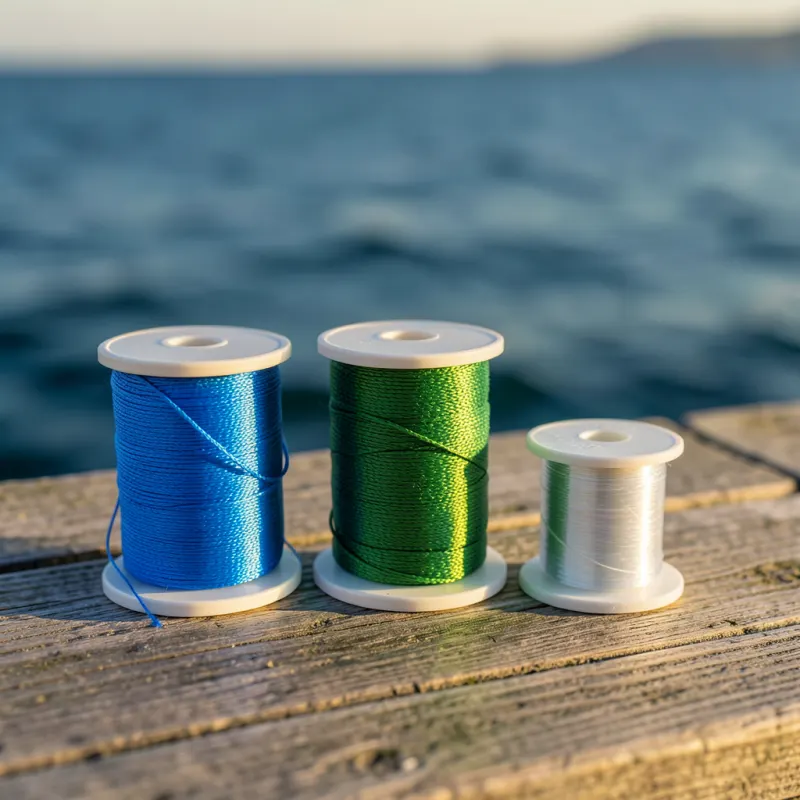
| Braided line | Bring spare spools | Easy to pack, and hard to match exactly here |
| Circle hooks in your favourite pattern | Bring | Required with natural bait for billfish; local stock varies |
| Pliers, a dehooker, a small knife | Bring, in checked bags | Sharp tools can't go in the cabin |
| Swivels, sinkers, basic hooks | Buy | Every tackle shop has them |
| Local wooden poppers and plugs | Buy | Made in Costa Rica and sold in marina shops |
| Live bait and ice | Buy (or let the crew) | Can't travel, and you don't need to |
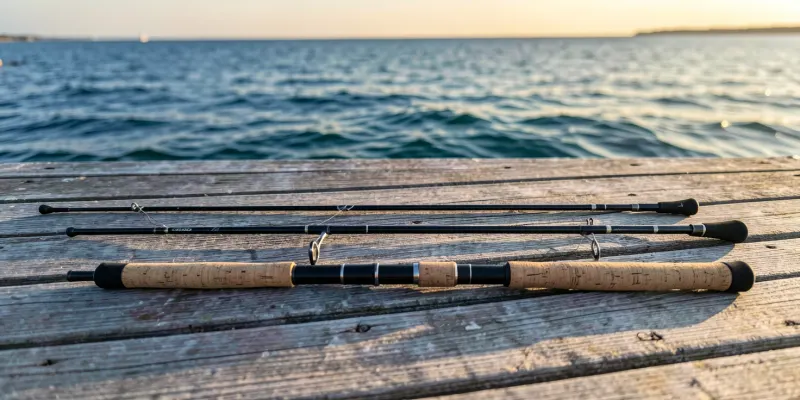
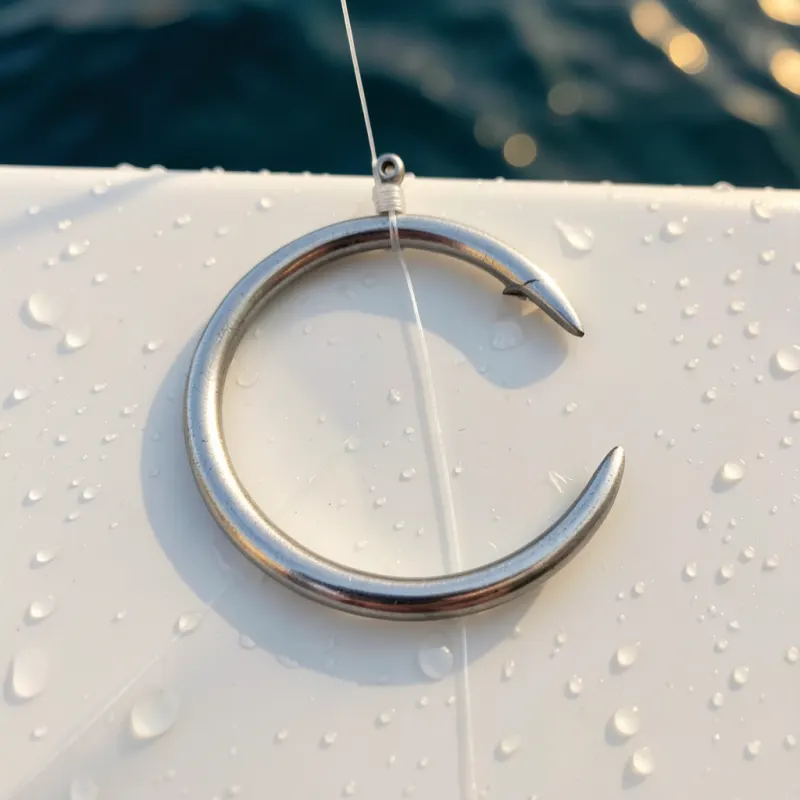
A note on circle hooks: under INCOPESCA's rules, natural bait for billfish and other big ocean fish has to go on circle hooks. Fly fishing and trolling artificial lures without bait are exempt. If you plan to fish bait on your own, bring the circle hooks you trust rather than hoping to find them on the coast. For where to shop once you land, see our guide to tackle shops in and around San José.
Flying with rods: tubes, airlines and carry-on
Pack rods in a hard tube
A hard rod tube is the single best thing you can buy for a fishing trip abroad. Choose rods that break down into 3 or 4 pieces: the tube gets shorter, it fits in more car boots, boats and baggage holds, and it's far less likely to be treated as an awkward oversized item. Put your name and phone number inside and outside the tube.
Check your airline's fishing rules
Every airline sets its own rules, and they change. Many US airlines treat a rod tube plus a tackle box as a single checked item, usually within the normal weight limit, but the details differ on length, weight and how many rods count. Look up "fishing equipment" or "sports equipment" on your airline's own baggage page before you book, and print it or save a screenshot in case the check-in desk isn't sure.
If you're connecting through another country, check the rules of every airline on the ticket. The strictest one decides what gets through.

What goes in the cabin and what goes in the hold
The US Transportation Security Administration (TSA) allows fishing rods in both carry-on and checked bags, but says it's up to the airline whether a rod fits its carry-on size limits. A short travel rod in a small tube sometimes makes it into the cabin; a full-length offshore rod never will.
For the rest of your tackle, TSA's guidance is simple:
- Large hooks and other sharp tackle should be sheathed, wrapped securely and packed in checked bags.
- Valuable reels and fragile tackle that isn't a security risk, such as small flies, can go in your carry-on.
We'd go further: always carry your reels. A lost rod tube is annoying, because a charter can lend you a rod. Lost reels, especially fly reels, can end your trip. Knives, gaffs, fillet knives and big pliers all go in checked bags.
Batteries: electric reels, fish finders and headlamps
If your gear runs on lithium batteries, the batteries decide where it travels. The US Federal Aviation Administration (FAA) says spare lithium batteries, including power banks, may only go in carry-on bags, never in checked luggage. Rechargeable lithium-ion batteries are limited to 100 watt hours each without airline approval, and larger ones (up to 160 watt hours) need the airline's okay, with a limit of 2 spares per person. Electric reels and portable fish finders often use big batteries, so check the rating printed on yours before you pack.
Customs: arriving with your own gear
Your gear counts as luggage
Under Costa Rica's customs law, luggage means things for your personal use (or for your work during the trip) that aren't meant for sale. A rod tube, a reel case and a bag of lures for your own fishing fit that easily.
The paperwork is light. In July 2019, La Nación reported that Costa Rica's customs service (the Dirección General de Aduanas) had dropped the goods declaration for travellers arriving with only their luggage. A sworn traveller's declaration is still needed for anyone bringing goods beyond normal luggage, cash or securities, or anything that could affect human, animal or plant health. Bags are screened on arrival, so pack in a way that's easy to open and repack.
When gear stops looking like luggage
Problems start when tackle looks like stock. A suitcase of brand-new reels still in their boxes, or 50 identical lures with the price tags on, can look like goods for sale rather than gear for a fishing trip. If you're bringing gifts for a crew or a lodge, keep the amount modest, take things out of their retail packaging and keep receipts. If you're stocking a boat or a shop, that's an import, and it goes through a customs broker rather than your suitcase.
Leave bait, fish and food at home
Costa Rica inspects incoming bags for animal and plant products, so leave frozen bait, dried fish, cured meat and fresh food out of your tackle bag. You'll find plenty of bait on the coast, and on a charter the crew catches or buys it fresh before dawn. Rinse your gear in fresh water and let it dry before you pack it for home, too: it stops corrosion, and it means you aren't carrying sand, mud or plant bits across borders.
Small planes and boat transfers inside Costa Rica
This is where well-packed gear most often gets stuck. SANSA, the domestic airline, flies small Cessna Caravans from San José to fishing towns including Quepos, Golfito, Puerto Jiménez, Drake Bay and Tortuguero, and its rules are much tighter than an international airline's.
According to SANSA's own baggage pages (checked in November 2026):
- Fishing equipment is accepted as sports equipment: up to 5 rods per case, plus 1 net and 1 pair of boots, as checked baggage only.
- It's charged per item. Sports equipment carries a fee, which can vary by type, so ask when you book.
- Ordinary checked bags have a size limit of 76 by 46 by 34 cm, and the weight allowed depends on the fare you buy.
- Oversized bags (more than 157 cm in length plus width plus height) may be refused, or carried only if there's space, and excess baggage can be sent on a later flight.
- The free personal item is small: 30 by 50 by 20 cm and up to 4.5 kg.
What that means in practice: a long one-piece rod tube may not fit at all, and anything extra might arrive on the next plane rather than yours. Multi-piece rods in a short tube are the safest bet. Tell SANSA about your rod case when you book, and tell your lodge too, since many book the flight for you.
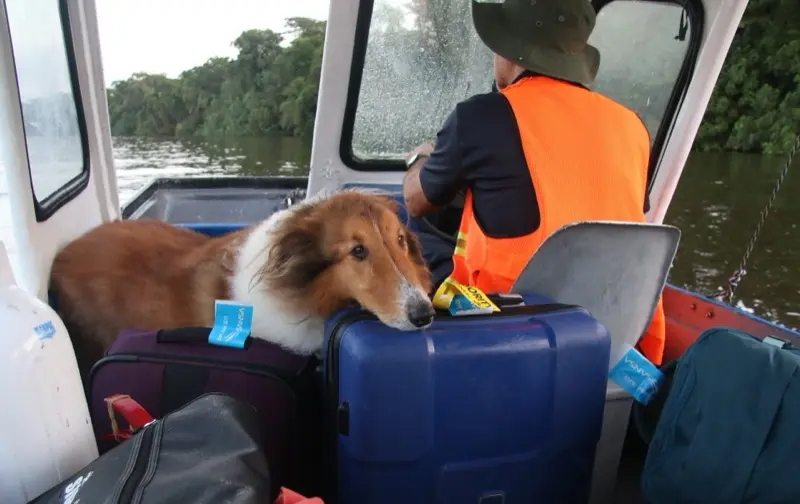
The last leg is often a boat. At Tortuguero and Barra del Colorado on the Caribbean, and at some lodges in the south, you and your bags ride in a small open or covered boat. Soft bags squeeze in more easily than hard suitcases, and a hard rod tube is worth its weight here: it's the bag most likely to be stood on.
Using your gear legally once you're here
Bringing tackle doesn't change the fishing rules. Anyone who fishes from a sportfishing boat needs an INCOPESCA sport fishing licence, whatever their age, and you can buy one online or ask your crew to arrange it. If you're fishing on your own, the same licence applies. Our step-by-step page on how to get a Costa Rica fishing licence walks through it, and our Costa Rica fishing rules guide covers what you can keep and where you can't fish at all.
A few other things to remember with your own gear:
- Billfish stay in the water. Sailfish and marlin are released, and they can't be lifted aboard for photos.
- Natural bait for billfish goes on circle hooks.
- No fishing in national parks, including Cocos Island and the marine parts of parks like Manuel Antonio. Our page on protected areas and no-take zones lists them by coast.
Going home
On the way back, the same airline rules apply in reverse, plus one Costa Rican rule worth knowing. In August 2026 the country's courts, prosecutors and the San José airport operator ran a campaign warning visitors that taking shells, coral, sand dollars, starfish, sand, feathers or bones out of the country can lead to a criminal investigation, because the wildlife law protects parts of animals as well as live ones. Most people simply have the items taken off them at screening, but it isn't worth the trouble. Check your tackle bag for that pretty shell from the beach before you fly.
If you've finished with spare line, hooks or lures, a crew or local angler will often be glad of them. Ask first rather than assume.
For everything else about tackle in Costa Rica, from Guanacaste's shops to the Caribbean's lure makers, head back to our bait and tackle guide.
Frequently asked questions
Do I have to declare my fishing gear at Costa Rican customs?
Not if it's ordinary luggage for your own use. Travellers arriving with only their luggage don't fill in a goods declaration. You'd need a sworn declaration for goods beyond normal luggage, large amounts of cash, or animal and plant products.
Can I take a fishing rod as carry-on to Costa Rica?
TSA allows rods in carry-on, but your airline decides whether it fits its size limits. Short travel rods sometimes do; most rods go in a hard tube in the hold. Keep your reels in carry-on either way.
Can I bring rods on a SANSA domestic flight?
Yes, as checked sports equipment: up to 5 rods per case, with a fee per item. Space is tight on the small planes, so use multi-piece rods in a short tube and tell the airline when you book.
Should I bring my own tackle for a charter?
Usually not. Charters supply rods, reels and bait. Bring your own if you fly fish, have a favourite spinning outfit, or plan to fish on your own.
Can I bring frozen bait or flies with me?
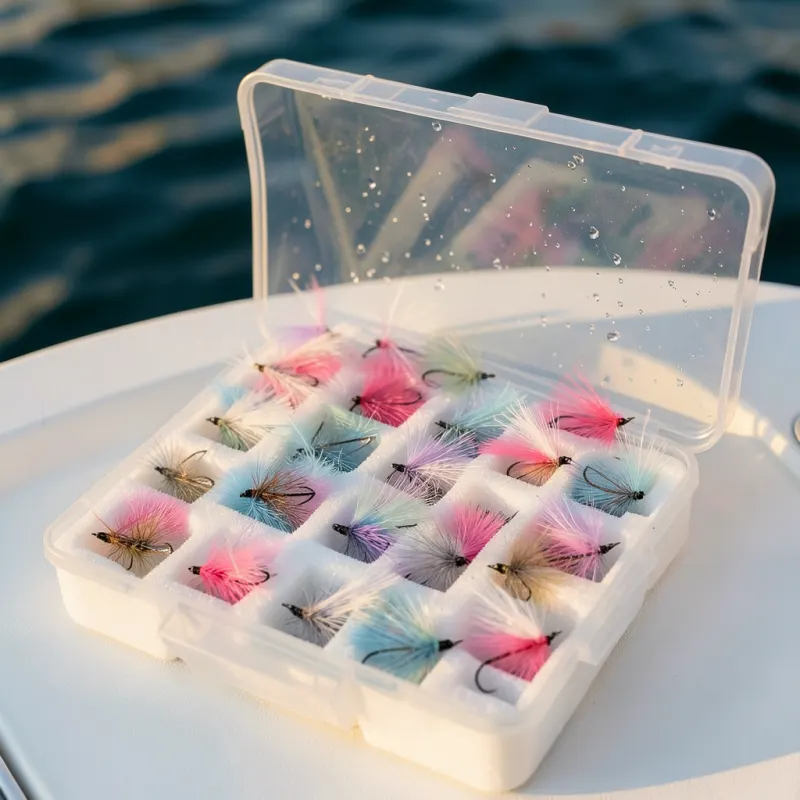
Leave bait, fish and other animal or plant products at home, since incoming bags are inspected for them. Flies and artificial lures are normal tackle; bring all your fly gear, because there's no dedicated fly shop in the country.
Sources
- Fishing pole, What Can I Bring? (TSA)
- Sporting and camping items, What Can I Bring? (TSA)
- Airline passengers and batteries (FAA PackSafe)
- Sports equipment (SANSA, official site)
- Baggage (SANSA, official site)
- Aduanas elimina declaración de mercancías a viajeros que solo traen equipaje (La Nación, July 2019)
- Fishing tackle policies of US airlines (Half Past First Cast)
- Costa Rica warns tourists that wildlife souvenirs can lead to criminal charges (News in America, August 2026)
- Best practices guide for tourist and sport fishing in Costa Rica (MarViva, 2023)
- Get a fishing license online (FECOP)


