
Costa Rica Fishing Rules
Licence, Release Laws and Protected Areas
Anyone fishing from a boat in Costa Rica needs an INCOPESCA sport fishing licence, sold online for 8 days, a month or a year. Sailfish, marlin, roosterfish and tarpon are released, only 5 fish may be landed per trip, hammerheads are fully protected, and there's no fishing at all inside national parks and biological reserves such as Cocos, Caño Island, Manuel Antonio and Ballena.
At a glance
- Licence
- INCOPESCA sport fishing carné, everyone fishing from a boat, crew included
- Licence lengths for boat fishing
- 8 days, 1 month, 1 year (bought online)
- Released by law
- Sailfish, blue, black and striped marlin, roosterfish, tarpon
- Keep limit
- 5 fish landed per fishing trip, for eating or taxidermy, never for sale
- Hooks
- Circle hooks with natural bait for billfish and other release species
- Sharks
- Fins must stay attached; all 3 hammerhead species banned since 2023
- No-take
- National parks, biological reserves, absolute reserves (Law 8436, art. 9)
- Closed season
- Inner Gulf of Nicoya, 1 May to 31 July (2026)
The short answer
Costa Rica's fishing rules are friendlier to visiting anglers than they first look. If you fish from a boat, you need your own INCOPESCA sport fishing licence (the "carné"), which you can buy online in a few minutes for 8 days, a month or a year. Your charter can often sort it out for you, but it's your name on it.
The rest comes down to a handful of habits. Sailfish, marlin, roosterfish and tarpon go back in the water. Only 5 fish can be landed per trip, and none of them can be sold. Hammerhead sharks are off limits, and shark fins must never be cut off at sea. There's no fishing at all inside national parks and biological reserves, which on the Pacific side includes Cocos Island, Caño Island, Manuel Antonio and Marino Ballena. A good captain knows all of this, and this guide is here so you know it too.
This page is a plain-English summary for anglers, not legal advice. Rules change, and where a law, decree or board agreement is behind a rule we name it, so you can check the current text.
Who makes the rules
Three bodies matter to you. INCOPESCA (the Costa Rican Fisheries and Aquaculture Institute, based in Puntarenas) runs fishing licences, release rules, bag limits and closed seasons, mostly through "AJDIP" board agreements published in La Gaceta, the official gazette. SINAC, the national parks and conservation areas system under the environment ministry (MINAE), runs national parks, reserves and wildlife refuges, and decides what's allowed inside them. The Servicio Nacional de Guardacostas (Coast Guard) enforces both at sea.
The backbone is the Fisheries and Aquaculture Law, Ley 8436 of 2005, and its regulation, Executive Decree 36782 of 2011. Most of what follows traces back to one of those two texts.
The sport fishing licence
Who needs one
Article 75 of Ley 8436 says that the crew and everyone who sport fishes from a boat, or underwater, must carry an INCOPESCA sport fishing carné. It's personal, not per boat, so a family of 4 that all want to hold a rod needs 4 licences. MarViva's 2023 legal guide to sport fishing reads the law as covering tourists of any age.
If you're on a licensed charter, the boat and crew have their own permits (a tourist fishing boat licence for the vessel, plus carnés for the captain and mates). That doesn't cover you: the angler's carné is separate.
How to get it online
INCOPESCA sells the licence through its website. There's an English form ("Sport Fishing License here" on the homepage) and a Spanish one. You fill in your details, pay the fee, and print or save the final receipt, which INCOPESCA specifically asks applicants to keep. Since the pandemic, the regional offices also process requests through the website rather than at the counter.
Many charter operators and fishing lodges will buy the licence for you if you send your passport details a few days ahead. Ask when you book, and check that the name on the licence matches your passport.
How long it lasts
For fishing from a boat, INCOPESCA lists three lengths, open to nationals, residents and foreigners alike:
| Licence | Who it's for | Length |
|---|---|---|
| Boat sport fishing | Nationals, residents and visitors | 8 days, 1 month or 1 year |
| Underwater (spearfishing) | Nationals, residents and visitors | 1 year |
| Shore or kayak | Nationals and residents | 1 year |
| Captain, crew or mate | Nationals and residents on sport, tourist or whale-watching boats | 1 year |
The same carné covers the sea and inland waters (rivers, lakes and reservoirs). Fees are set by INCOPESCA's board and listed on its "Tarifas por servicios" page; we don't quote them here because they change.
Kids
The 2011 regulation originally limited sport fishing licences to people over 16, which left children out of family trips and tournaments. A decree in January 2016 changed that rule so children can fish legally with their families. Ask your operator how they handle licences for younger kids on board.
Fishing from the shore or a kayak
The law's licence article names fishing from a boat and underwater. INCOPESCA's shore and kayak carné is listed for nationals and residents, and simple fishing for your own table from land or a small boat (Law 8436, articles 77 and 78) needs no licence, though you must still respect closed seasons and catch limits. We couldn't find a clear official line on a visitor casting from the beach with their own rod. If you plan to do a lot of shore or kayak fishing, contact INCOPESCA (Puntarenas, phone 2630 0600) before you go. Inside protected areas, SINAC's own rules come first (see below).
Sailfish and marlin: always released
Their legal status
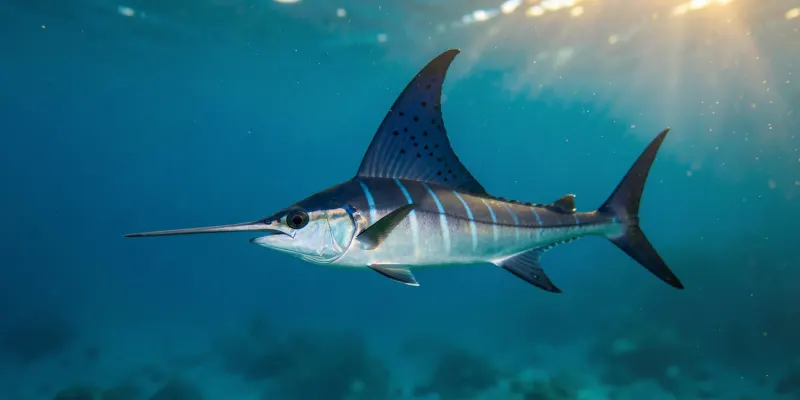
Article 76 of Ley 8436 declares the sailfish, blue marlin, black marlin and striped marlin (plus the tarpon) "species of tourist and sport-fishing interest". The regulation then sets how they're fished: for large pelagic fish, sport and tourist boats may use only live or dead natural bait, circle hooks on a monofilament leader, and trolling, with catch and release, meaning live fish go back quickly and with as little harm as possible (Decree 36782, articles 67 and 68).
INCOPESCA's board agreement AJDIP/086-2014 adds that billfish and tarpon are released in the water, without being brought aboard. The angler or mate removes the lure or, with natural bait, the hook, and if that isn't possible cuts the line as close to the mouth as they can.
Photos, gaffs and records
Under AJDIP/280-2014, it's banned to lay a billfish on the gunwale for a photo or to use a gaff or hook to pull it alongside. The only exceptions are a fish being documented for a possible world record and fish weighed in a tournament that INCOPESCA has approved. For a record claim, AJDIP/086-2014 says the angler pays a conservation fee to INCOPESCA before applying to the record keeper.
So the classic Costa Rica billfish photo is the fish's head and sail beside the boat, in the water, with the angler leaning over. That's legal, and it's also what the fish needs.
Circle hooks
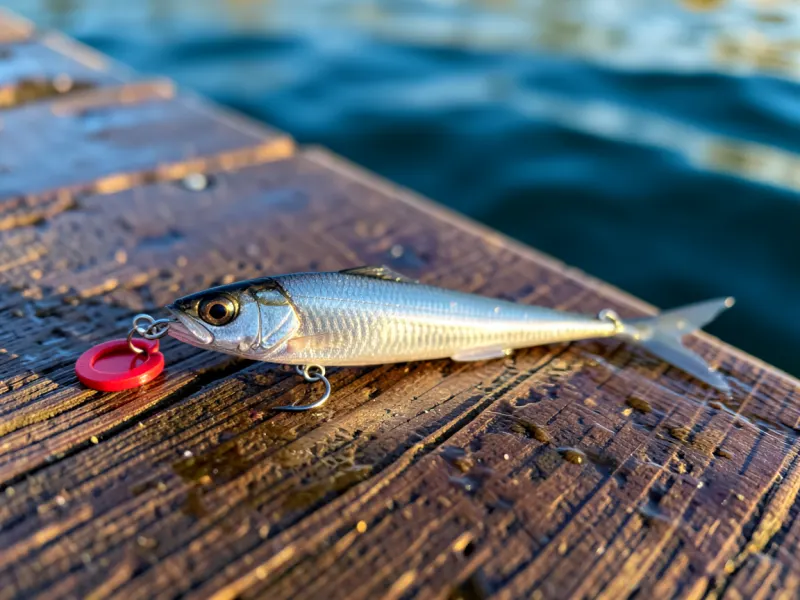
Circle hooks are compulsory whenever natural bait is used for billfish and the other release species (Decree 36782, article 68, and AJDIP/086-2014). They aren't required for fly fishing, or for trolling artificial lures with no natural bait attached. The reason is simple: a circle hook slides to the corner of the jaw instead of lodging in the throat, so the fish swims away in better shape. There's more on why in our conservation guide.
The commercial side
Sport anglers release every billfish, but commercial boats are a different story, and it's worth knowing because it shapes what you'll see on the water. Commercial fishing aimed at sailfish is banned, yet sailfish caught "incidentally" on longlines can still be sold in Costa Rica. A 2023 INCOPESCA ruling cut that incidental allowance from 15% to 10% of a trip's catch, let longliners land sailfish found dead on their lines, required live ones to be released, and kept export banned. A bill to make the sailfish a national symbol and end its sale was voted down in committee in September 2024. Our sailfish page and marlin page have more on both fish.
Roosterfish, tarpon and the other release fish
AJDIP/086-2014 widened the list of species of tourist and sport interest to "billfish (marlins, sailfish), tarpon and roosterfish", and says all of them, plus any other protected species INCOPESCA names, are fished catch and release. MarViva's legal guide confirms the roosterfish was added through that agreement. So a roosterfish caught off Guanacaste or the Osa goes back, even though, unlike billfish, the rules don't ban lifting it briefly aboard. Keep it short, support its body, and get it back in the water.
The same agreement names one freshwater fish: the bobo (mountain mullet, Joturus pichardi) of Caribbean rivers is catch and release, and INCOPESCA set a closed season for sport fishing of bobo in the Pacuare river basin in 2015 (AJDIP/237-2015).
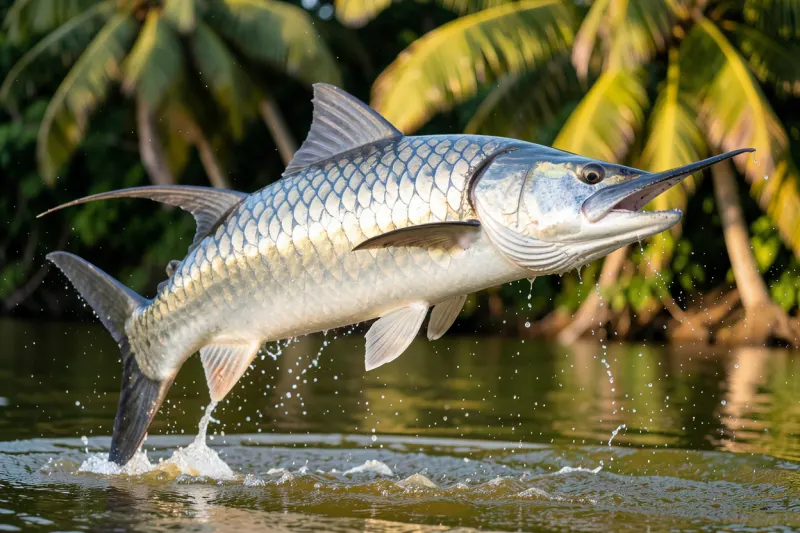
Tarpon are released in the water like billfish. Snook aren't on the release-only list, so a legal snook can be kept within the limits below, but most Caribbean lodges release them anyway, and inside the Barra del Colorado refuge local size and number rules apply.
What you can keep
The regulation allows 5 fish to be landed per fishing trip, for the anglers to eat or to have mounted (Decree 36782, article 68). FECOP, the sport fishing federation, reads this as 5 per trip however many anglers are on board, and that's how most Costa Rican crews run it. Selling any fish caught sport fishing is banned, and "simulating" sport fishing to sell the catch is an offence that costs the boat its permit (Law 8436, article 150).
In practice your crew will keep a couple of dorado, a yellowfin tuna or a few snapper for dinner and release the rest. Many towns have restaurants that will cook what you bring in, and our zone guides say where that's confirmed.
INCOPESCA also sets minimum legal sizes for many commercial species, and the Coast Guard checks them. In November 2026 officers near Dominical stopped an unlicensed fishing tour carrying undersized fish and more than the legal catch, with paying tourists aboard. A licensed, reputable operator is the easy way to stay clear of that.
Sharks, rays, turtles and other protected animals
Shark finning
Costa Rica was one of the early countries to fight finning. Article 40 of Ley 8436 allows shark landings only with the fins naturally attached to the body, and article 139 sets a prison sentence of 6 months to 2 years for anyone who allows or orders fins to be landed without the body to sell them.
Hammerheads (status in 2026)
All three hammerhead species found here are protected. Executive Decree 43900-MAG-MINAE, announced in February 2023, bans catching, keeping on board, transshipping, landing, storing, transporting and selling hammerheads and their products. Any hammerhead caught by accident must be released at once, unharmed if possible, and medium-scale and larger commercial boats must log accidental catches. A later reform added transit controls at ports and airports to stop hammerhead fins from other countries passing through. In June 2023 Costa Rica's Supreme Court also ruled that hammerheads are protected wildlife rather than a commercial resource.
As of May 2026, MINAE and SINAC were designing a payment scheme for fishers who release hammerheads caught by accident. It wasn't running yet when we checked.
Other sharks and rays
Most other sharks aren't protected the same way, and silky sharks in particular are still landed and exported in large numbers: CITES was weighing a review of Costa Rica's silky shark trade in July 2026. For a sport angler the guidance is simple. Release sharks, keep them in the water, and cut the leader if the hook is deep. Sawfish, an endangered ray family, have been fully protected by an amendment to the fisheries law since October 2022.
Turtles and marine mammals
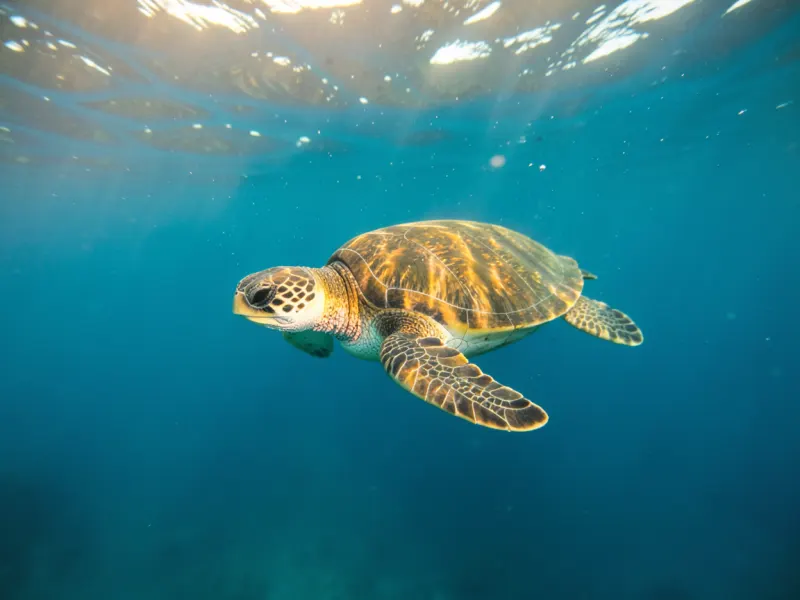
Ley 8436 (article 39) bans the capture of whales, dolphins, seals and sea turtles, and the use of their breeding sites. Article 140 sets 1 to 3 years in prison for catching, harming or trading endangered species protected by international treaties in Costa Rica's territorial sea. If a turtle takes your bait, the crew should bring it alongside gently and cut the line close to the hook.
Where you can't fish: parks and reserves
Article 9 of Ley 8436 bans both commercial and sport fishing in national parks, natural monuments and biological reserves. In wildlife refuges, wetlands, forest reserves and protected zones, fishing is "restricted" according to each area's management plan. So the type of protected area tells you most of what you need to know.
| Area | Coast and zone | Sport fishing |
|---|---|---|
| Santa Rosa National Park, including Islas Murciélago (Bat Islands) | Guanacaste | No |
| Las Baulas Marine National Park (Tamarindo) | Guanacaste | No |
| Bahía Santa Elena Marine Management Area | Guanacaste | Zoned, check the plan |
| Ostional and Camaronal wildlife refuges | Nicoya Peninsula | Zoned, check the plan |
| Cabo Blanco Absolute Natural Reserve | Nicoya Peninsula | No |
| Cabo Blanco Marine Management Area | Nicoya Peninsula | Yes, under its rules |
| Isla San Lucas National Park, Guayabo, Negritos and Pájaros biological reserves | Gulf of Nicoya | No |
| Caletas-Arío Wildlife Refuge | Nicoya Peninsula | Zoned, check the plan |
| Playa Hermosa-Punta Mala Wildlife Refuge | Central Pacific | Zoned, check the plan |
| Manuel Antonio National Park (land and sea) | Central Pacific | No |
| Marino Ballena National Park | Southern Pacific | No |
| Isla del Caño Biological Reserve | Southern Pacific | No |
| Corcovado and Piedras Blancas national parks | Southern Pacific | No |
| Térraba-Sierpe National Wetland | Southern Pacific | Zoned, check the plan |
| Río Oro and La Ensenada wildlife refuges | Southern Pacific, Gulf of Nicoya | No |
| Cocos Island National Park | Far offshore | No |
| Bicentennial (Seamounts) Marine Management Area | Far offshore | Zoned, check the plan |
| Cahuita National Park (marine sector) | Caribbean | No, ask about local exceptions |
| Gandoca-Manzanillo Wildlife Refuge | Caribbean | Restricted, check the plan |
| Barra del Colorado Wildlife Refuge | Caribbean | Yes, with a SINAC licence |
The table follows MarViva's 2023 compilation of where tourist and sport fishing is allowed, checked against the type of area under Law 8436. Our fishing map shows these areas, coloured by rule, and each zone guide (Guanacaste, the Central Pacific and the others linked below) explains the boundaries near its towns.
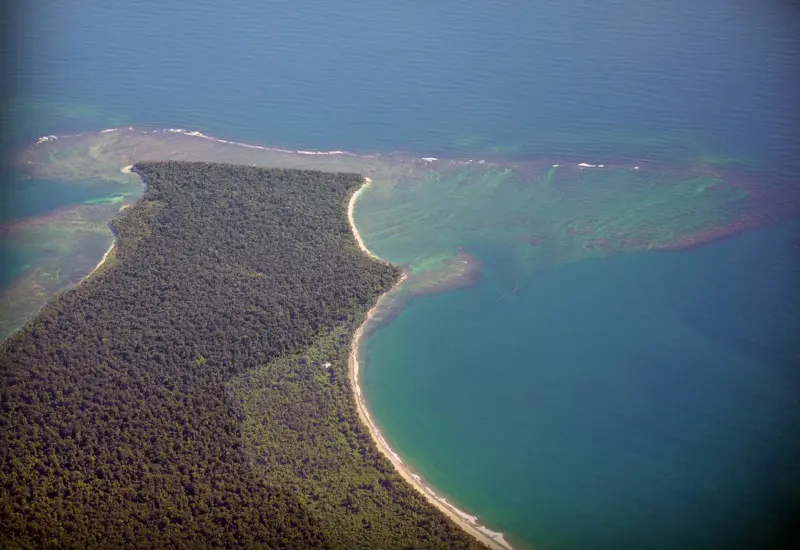
Cocos Island and the 2021 expansion
Cocos Island, about 500 km out in the Pacific, has always been no-take. In December 2021 a decree (43368-MINAE) grew the protected marine park from about 2,034 to about 54,844 square kilometres and created the Bicentennial Marine Management Area around it, roughly twice the park's new size, where some fishing is allowed under a management plan and some zones are no-take. SINAC published a 2025 to 2035 management plan for the Bicentennial area. Boats that fish the seamounts beyond the park have to stay outside its line and keep gear out of sight when crossing it.
Caño Island, Manuel Antonio and Ballena
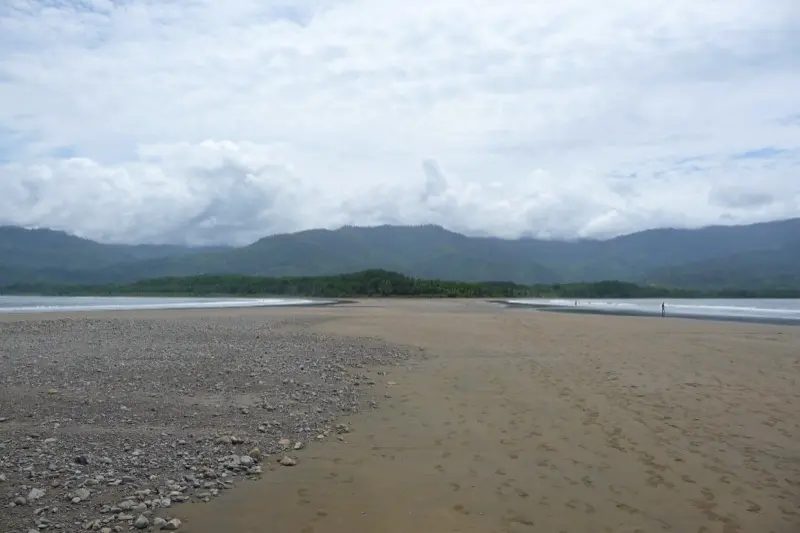
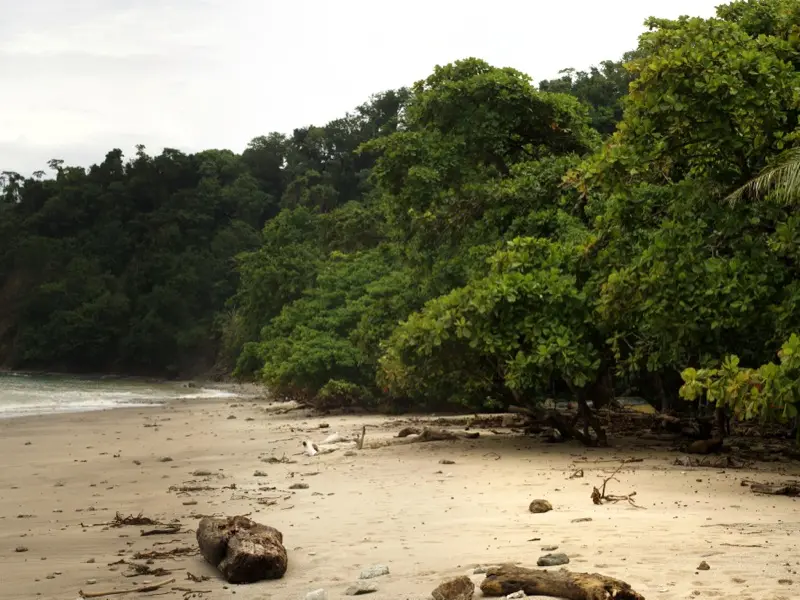
Isla del Caño is a biological reserve, so no fishing of any kind happens inside it; boats out of Drake Bay, Sierpe and Puerto Jiménez fish the water around it instead. Manuel Antonio includes a marine area, and the Quepos fleet fishes outside it. Marino Ballena, the park with the whale-tail sandbar in the gallery above, is also no-take. On the north coast, the Bat Islands inside Santa Rosa National Park are a famous dive site but closed to fishing (see our Bat Islands guide).
Responsible fishing areas and marine management areas
Between "fish anywhere" and "no fishing" sit two middle categories that matter on the Pacific side.
Marine Areas for Responsible Fishing (Áreas Marinas de Pesca Responsable, AMPR) are set up by INCOPESCA with local fishing communities, each with its own fishing plan. Many sit in and around the Gulf of Nicoya (Palito-Montero at Isla Chira, Níspero, Isla Caballo, Isla Venado, Costa de Pájaros, Paquera-Tambor and the inner-gulf zone 201), with others at Tárcoles, San Juanillo, Dominicalito, Golfo Dulce and Barra del Colorado on the Caribbean. MarViva's 2023 guide lists sport fishing as allowed at Tárcoles, zoned at San Juanillo, Paquera-Tambor, Dominicalito, Golfo Dulce and zone 201, and not specified for the rest.
Golfo Dulce deserves a special mention. It's a responsible fishing area, and under AJDIP/280-2014 as amended by AJDIP/252-2023, commercial boats without the right permits can't catch or keep live bait inside the line from Cabo Matapalo to Punta Banco. The same agreement draws similar lines across the inner Gulf of Nicoya and the Gulf of Papagayo, and bans commercial longlining with live bait within 30 miles of the whole Pacific coast, treating it as targeting sailfish. Sport boats may still fish with live bait within those 30 miles. The Southern Pacific guide covers Golfo Dulce in detail.
Marine Management Areas (Áreas Marinas de Manejo) are SINAC areas with zoning: Cabo Blanco's marine area allows sport fishing, while Bahía Santa Elena and the Bicentennial area are zoned. In wildlife refuges, sport or subsistence fishing is only allowed under that refuge's rules on species, methods and hours, and only where a management plan exists.
Closed seasons
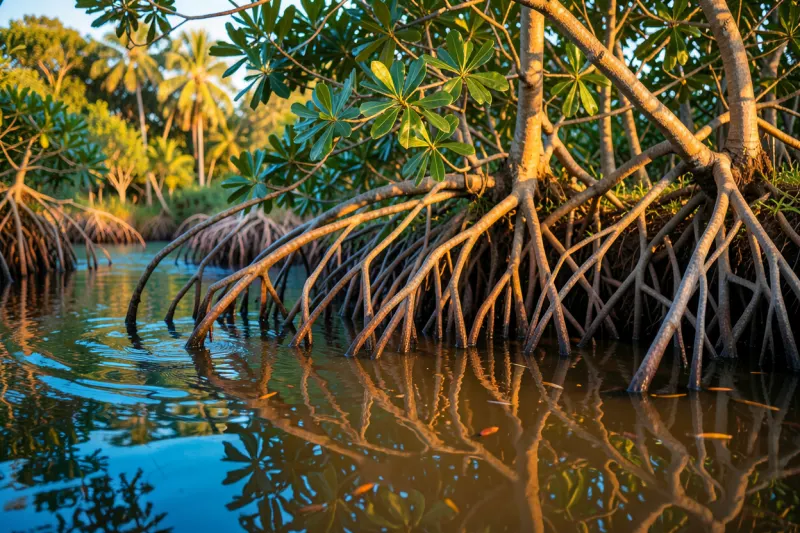
Gulf of Nicoya. INCOPESCA closes the inner Gulf of Nicoya every year to protect the breeding of corvina and other fish. In 2026 the closure ran from 1 May to 31 July, over the area from Punta Torres (Peñón) to the Isla Negritos light, east toward Punta Cuchillos and up to a line between Puerto Níspero and Puerto Moreno at the mouth of the Tempisque. Tourist fishing licence holders whose permitted area overlaps the zone were covered by the ban, and shellfish gathering with a permit continued. If you're booking a trip out of Puntarenas or the islands of the gulf between May and July, ask your captain where they can legally fish. The Nicoya Peninsula guide has the local picture.
Barra del Colorado. On the Caribbean, SINAC's 2026 guide for the refuge keeps its inner lagoons closed from 1 October to 31 January for breeding, closes fishing every Tuesday as the river's rest day, and bans nets or other gear within 1.5 km either side of the Río Colorado mouth and 2 km out to sea.
Other closures. INCOPESCA can declare closed seasons by species or area at any time through board agreements published in La Gaceta, so if you're fishing somewhere unusual, it's worth asking a local captain what's in force that season. Our seasons guide covers when the fish are running.
Commercial rules that shape your fishing
You'll never need these as an angler, but they explain why some grounds fish better than others.
Tuna purse seiners and the 80-mile line
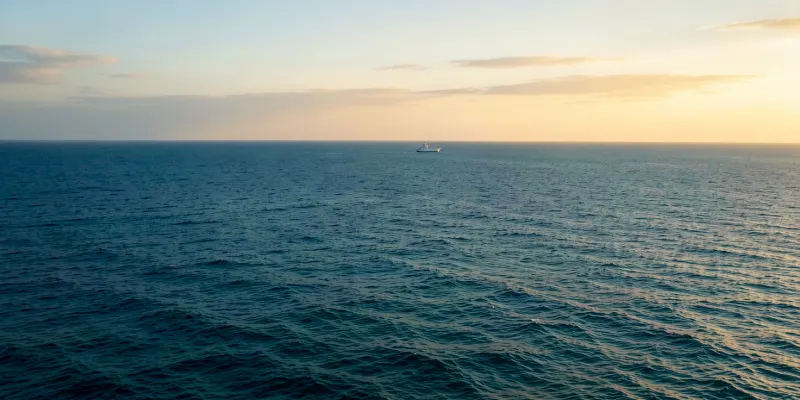
A 2014 decree first pushed foreign tuna purse seiners well offshore, and a 2019 decree moved them to 60 miles. Law 10304 of August 2022 then barred large industrial purse seiners from the first 80 nautical miles of Costa Rica's exclusive economic zone, ended free licences for foreign seiners, and reserved that band for small and medium local boats. The government was slow to write the regulations for the law, and in October 2025 the Constitutional Court gave the agriculture ministry and INCOPESCA two months to publish them. We couldn't confirm whether that had happened by November 2026.
Shrimp trawling
In 2013 the Constitutional Court (ruling 10540-2013) barred new shrimp-trawling licences and the renewal of existing ones. The last licence expired in August 2019. Congress passed a bill to bring trawling back in 2020, the president vetoed it, and an attempt to override the veto failed in September 2021. The government announced new trawling studies in 2022, but there was no legal trawling in Costa Rica when we checked.
Anchored fish-aggregating devices
In November 2025 the Constitutional Court (resolution 2025039367) ordered the state to ban and remove anchored fish-aggregating devices, known locally as "plantados", that some sport boats set over Pacific seamounts. It gave INCOPESCA three months to issue a board agreement banning their use and promotion, and told the Coast Guard and the public works ministry to find and remove the anchors and buoys. If an operator advertises a "secret FAD", that's now a red flag.
Freshwater rules
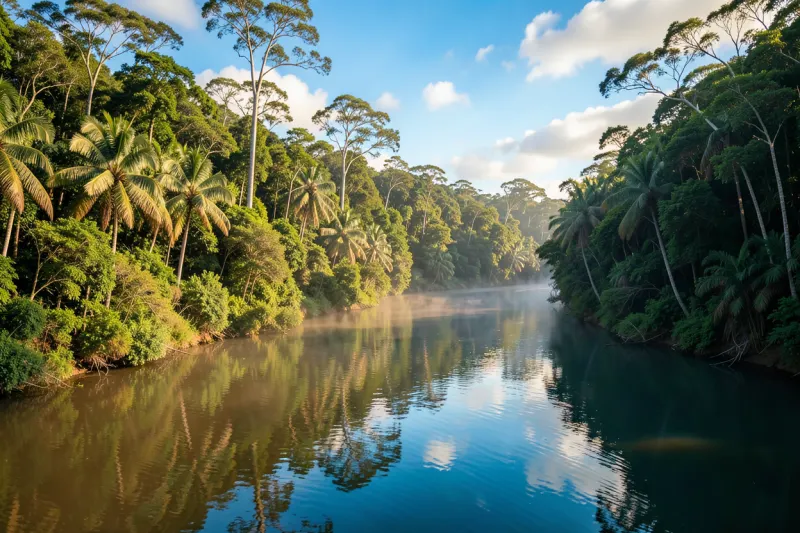
The INCOPESCA carné covers inland waters too, and article 73 of the regulation reserves inland waters for subsistence, small-scale artisanal, tourist, sport and recreational fishing. Inside SINAC protected areas, continental sport fishing needs a valid SINAC licence, only approved methods such as rod and reel or a hand line, and is limited to daylight hours, with fishing generally allowed from 6 am to 6 pm under the wildlife law's regulation.
Barra del Colorado is the best documented example. SINAC's 2026 guide allows sport and subsistence fishing with rod or hand line only, from shore or a boat, with no nets, cast nets, spears, traps, chemicals or electricity. Hours are 5 am to 6 pm, there's no fishing on Tuesdays, and a SINAC refuge licence (issued digitally, valid 1 year, and separate from the INCOPESCA one) is required. Fish without a set size limit are limited to 5 a day per licence, small fish go back alive, and introduced tilapia and armoured "devil" catfish must not be returned to the water. Our freshwater guide and Caribbean guide cover where to fish.
Penalties and enforcement
Ley 8436 sets most fines in "salarios base", a reference wage figure that's updated every year, so the amounts below rise over time.
| Offence | Penalty under Ley 8436 |
|---|---|
| Not carrying your licence or permit papers on board | 3 to 10 base salaries (art. 152) |
| Commercial or sport fishing inside a national park, natural monument or biological reserve | 20 to 60 base salaries and loss of the licence (art. 153) |
| Fishing in a closed season or zone, or for a closed species | 10 to 40 base salaries (art. 141) |
| Using banned gear | 20 to 60 base salaries (art. 142) |
| Fishing without a licence from a boat (applies to the person in command) | 1 to 60 base salaries (art. 136) |
| Landing shark fins without the body, to sell them | 6 months to 2 years in prison (art. 139) |
| Catching, harming or trading turtles, marine mammals or treaty-protected endangered species in the territorial sea | 1 to 3 years in prison (art. 140) |
| Fishing with poison or explosives in inland waters or the territorial sea | 2 to 10 years in prison (art. 143) |
The Coast Guard boards boats at sea, and boats used to commit offences can be seized. If you see illegal fishing, INCOPESCA published a citizens' guide in 2020 on how to report it, and SINAC takes environmental complaints through its SITADA system. A photo with the time and GPS position is the most useful thing you can send.
A quick checklist before you go
- Buy your INCOPESCA licence online, or confirm in writing that your operator will.
- Carry it (a printout or the PDF on your phone) every day you fish.
- Ask your captain where the nearest park or reserve boundary is.
- Expect to release every sailfish, marlin, roosterfish and tarpon in the water.
- Plan on 5 fish kept per trip at most, for the table, never for sale.
- Leave hammerheads, turtles, dolphins and sawfish alone.
- From May to July, check whether the Gulf of Nicoya closure affects your trip.
- Fishing a river or refuge? Check for a separate SINAC licence and hours.
- Pick a licensed operator. Our trip planning guide explains how.
Frequently asked questions
Do I need a fishing licence on a charter in Costa Rica?
Yes. Everyone who fishes from a boat needs their own INCOPESCA sport fishing licence, even on a fully licensed charter. You can buy it online for 8 days, 1 month or 1 year, and many operators will arrange it if you send your passport details.
Can I buy the fishing licence online?
Yes. INCOPESCA's website has an English application form. You enter your details, pay the fee and keep the final receipt, which serves as your proof.
Can I keep a sailfish or marlin?
No. Sailfish and all marlin are released in the water. The only exceptions are fish being documented for a world record or weighed in an INCOPESCA-approved tournament.
Is roosterfish catch and release in Costa Rica?
Yes. INCOPESCA added the roosterfish to its list of tourist and sport species in 2014, and those species are fished catch and release.
How many fish can I keep?
The regulation allows 5 fish to be landed per fishing trip, to eat or mount, and sport-caught fish may never be sold. Crews usually keep dorado, tuna or snapper and release the rest.
Is it legal to catch hammerhead sharks?
No. Since 2023 catching, keeping, landing and selling all 3 hammerhead species is banned, and any caught by accident must be released.
Can I fish inside Manuel Antonio, Caño Island or Cocos Island?
No. National parks and biological reserves are closed to all sport and commercial fishing under Law 8436. Boats fish the water outside their boundaries.
When is the Gulf of Nicoya closed to fishing?
The inner gulf closes every year for fish breeding. In 2026 the closure ran from 1 May to 31 July.
Do I need a licence to fish rivers and lakes?
The INCOPESCA carné covers inland waters as well as the sea. Inside protected areas such as the Barra del Colorado refuge, you also need a SINAC licence and must keep to its hours and gear rules.
Sources
- Ley de Pesca y Acuicultura N.º 8436 (INCOPESCA)
- Ley de Pesca y Acuicultura N.º 8436, full text (SCIJ, Procuraduría General)
- Reglamento a la Ley de Pesca y Acuicultura, Decreto 36782 (INCOPESCA)
- Carnés de pesca, licence types and lengths (INCOPESCA)
- Sport fishing licence online application, English (INCOPESCA)
- Acuerdo AJDIP/086-2014, species of tourist and sport interest and release rules (INCOPESCA)
- Acuerdo AJDIP/280-2014, live bait and billfish handling (INCOPESCA)
- Acuerdo AJDIP/252-2023, live-bait longline limits in the gulfs and within 30 miles (INCOPESCA)
- Best practices guide for tourist and sport fishing in Costa Rica (MarViva, 2023)
- Licencia de pesca en Costa Rica (FECOP)
- Children allowed to fish after rule change (The Tico Times, 2016)
- Decreto Ejecutivo 43900-MAG-MINAE, hammerhead ban (UNEP LEAP)
- Hammerheads now considered endangered (The Tico Times, 2023)
- Costa Rica expands marine conservation payments to protect hammerhead sharks (The Tico Times, 2026)
- CITES may review Costa Rica's silky shark exports (The Tico Times, 2026)
- President signs sawfish protection law (The Tico Times, 2022)
- Costa Rica expands Cocos Island National Park (The Tico Times, 2021)
- Amplían área de Isla del Coco (Delfino, 2021)
- Seasonal fishing ban in the Gulf of Nicoya (The Tico Times, 2026)
- Guía para pescadores responsables, Refugio Barra del Colorado (SINAC, Área de Conservación Tortuguero, 2026)
- Costa Rica finally passes tuna reform law (The Tico Times, 2022)
- Court orders urgent regulation of tuna fishing law (The Tico Times, 2025)
- Last trawling licence expires (Observador, 2019)
- Trawling bill buried as veto override fails (Teletica, 2021)
- Sala Constitucional orders ban on anchored fish-aggregating devices (La Nación, 2026)
- Costa Rica's new sailfish ruling (The Tico Times, 2023)
- Deputies block bill to protect sailfish (The Tico Times, 2024)
- Tour de pesca con turistas termina en operativo en Osa (Diario Extra, 2026)
- Citizens' complaint manual for illegal fishing (FECOP, 2020)


