
Isla del Caño for Anglers
The Reserve's Rules and the Fishing Around It
Isla del Caño is a biological reserve about 16 km off the Osa Peninsula, and every kind of fishing is banned in it, on land and at sea. Boats from Drake Bay and Sierpe fish the open water and rocky mounds outside the line for wahoo, tuna, cubera snapper, amberjack and grouper, and the island itself is visited only to snorkel or dive, with a registered guide and a prepaid reservation.
At a glance
- Where
- About 16 km off the Osa Peninsula, roughly 12 nautical miles from Drake Bay
- Protected
- Biological reserve under Law 6215 (1978), run by SINAC's Osa conservation area
- Size
- 320 hectares of land and 5,800 hectares of sea
- Fishing inside
- None (commercial, small-scale and sport fishing are all banned)
- Fishing outside
- Wahoo, yellowfin, jacks, cubera snapper, amberjack and grouper
- Boats from
- Drake Bay, Sierpe and Uvita
- Visits
- 8 am to 3 pm, booked and paid ahead, with a registered guide; landing closed
- Penalty for fishing inside
- 20 to 60 base salaries and loss of the licence (Law 8436, art. 153)
Part of our complete guide: Fishing the Southern Pacific: the complete guide
The short answer
You can't fish at Isla del Caño. The island and a big block of sea around it make up a biological reserve, and Costa Rican law bans commercial, small-scale and sport fishing anywhere inside it. What you can do is fish the water outside the line, which is some of the best inshore and offshore ground on the Osa, and then come back another day (or the same day, with a different plan) to snorkel or dive the reefs.
Boats from Drake Bay and Sierpe run out past the island to troll for wahoo and tuna and to jig the rocky mounds for cubera snapper, amberjack and grouper. Good captains know exactly where the reserve ends. This page explains where that is, what the rules say, who fishes these waters, and how a reserve visit works if you want to see the reefs too. For the whole coast, see our Southern Pacific fishing guide.
The reserve and its line in the water
Isla del Caño sits on the continental shelf about 16 km off the Osa Peninsula, in Costa Rica's far south. A 1976 decree first protected it, and Law 6215 of March 1978 made it a biological reserve, which is the strictest kind of protected area after an absolute reserve. SINAC, the national parks service, runs it through its Osa conservation area. The reserve covers about 320 hectares of land and 5,800 hectares of sea, so most of it is water.
That water is why it's protected. SINAC calls Caño's reefs some of the largest and best kept on the country's Pacific coast, with 5 coral platforms, and the area is a nursery for humpback whales from both hemispheres. On land there are remains of pre-Columbian stone spheres and old forest.
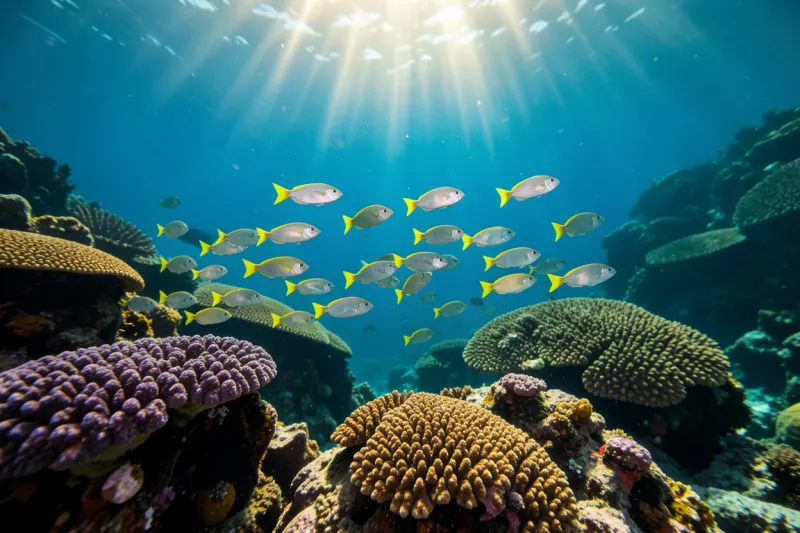
The catch for anglers is that the boundary isn't marked on the water. There are no buoys around the reserve, and from a boat the line is just open sea. Captains who fish here every week carry it in their GPS and their heads. If you're on a boat you've found yourself, ask the captain to show you the boundary on the plotter before lines go in.
What the rules say
SINAC's own page for the reserve sets out the rules plainly. The ones that matter most to anglers:
- No fishing of any kind. Commercial, small-scale and sport fishing are all banned inside the reserve.
- Look after the water. No dumping anything at sea or on land, and no washing boats or changing engine oil inside the reserve.
- Anchoring. Boats may anchor only in the spot 200 meters off the ranger station.
- Crowd limits. No more than 10 people at a time in each snorkel and dive area, and dives and snorkels only in the zones set by the reserve's public-use decree (40700-MINAE).
- The usual park rules. No single-use plastic, alcohol, smoking or fires, no feeding or touching wildlife, and nobody stays overnight.
On top of the reserve's own rules, Costa Rica's fishing law treats fishing inside a national park or biological reserve as one of the most serious offences on the books. Article 153 of Law 8436 sets a fine of 20 to 60 base salaries and takes away the licence. Our fishing rules guide covers the rest of the national law, and our list of no-take zones shows every protected area on the coast and what's allowed in each.
Fishing the water around the island
Here's the good news: the reserve doesn't shut down the area, it feeds it. Fish move in and out of protected water, and the grounds just outside Caño's line are some of the busiest on the Osa.
Trolling for wahoo
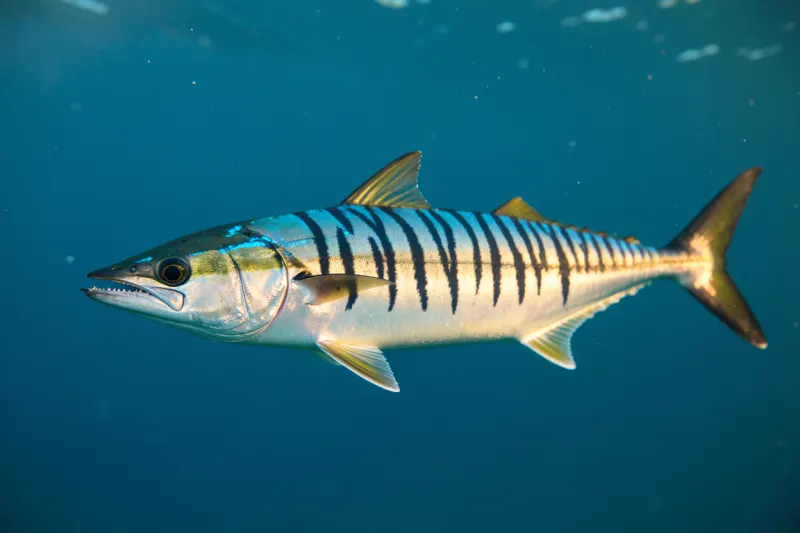
Aguila de Osa, the Drake Bay lodge that has run its own boats since 1992, puts Caño about 12 nautical miles from the bay and says its inshore trips troll the area for wahoo. Our season chart marks May to August as the best months for wahoo, though they're around in smaller numbers all year.
Jigging the rock mounts
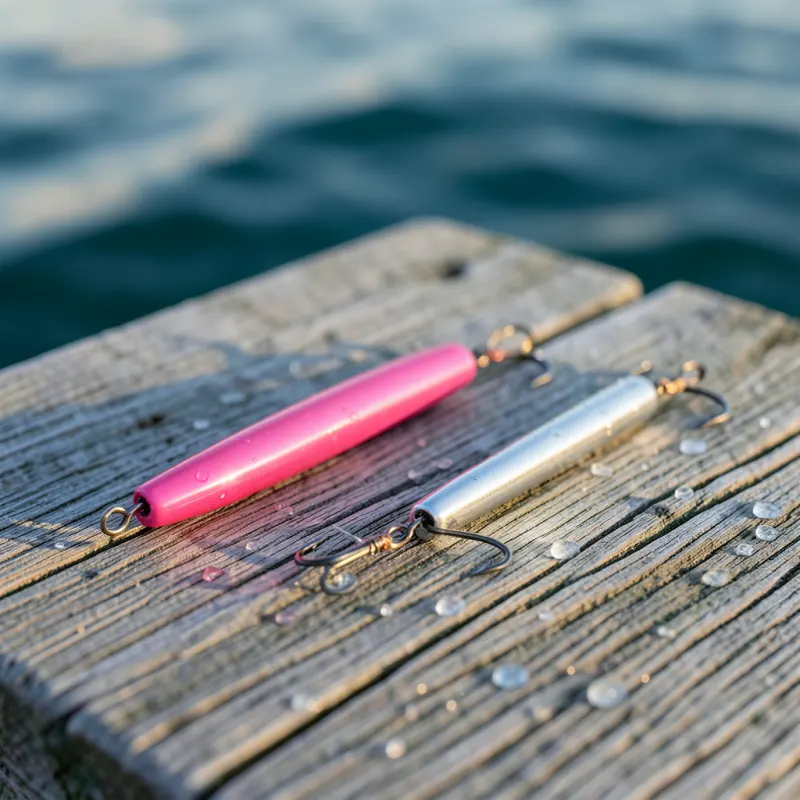
The bottom around Caño is broken up by rocky mounds and pinnacles. Crews drop heavy metal jigs on them for cubera snapper, amberjack and grouper, which is hard, short-lived work: a big amberjack or cubera will try to reach the rocks the second it's hooked. Our guide to Pacific cubera snapper explains why crews let the biggest ones go.
Jacks, mackerel and roosterfish closer in
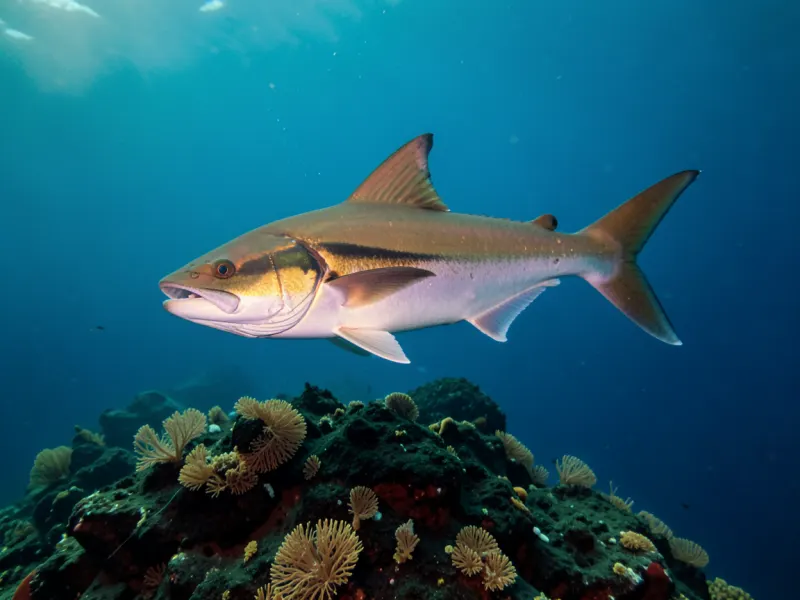
Half-day trips along the coast between Drake Bay and Sierpe work the rocky points and beaches for jacks, sierra (Pacific Spanish mackerel), snapper and roosterfish, with roosterfish released.
Offshore beyond the island
Aguila de Osa fishes 20 to 40 miles off Drake Bay for marlin, sailfish, yellowfin tuna and dorado, often by following schools of spinner dolphins that travel with the tuna. Sailfish and marlin go back in the water. Our guide to big yellowfin on the Southern Pacific covers that fishery in detail.
South of Drake Bay, the coast along Corcovado National Park is protected too, so boats fish outside its waters. Aguila de Osa notes that the open water off that stretch sees little fishing pressure.
Boats that fish near Caño
These are crews whose websites or booking pages we opened in November 2026 and whose trips were reviewed or on offer for 2026. Nobody pays to be listed.
Aguila de OsaDrake Bay
A hillside lodge on the Agujitas River with its own boats: the Albatros, a 31 foot cold-molded sportfisher, and Reel Time, a 26 foot center console. It says it was the first Osa charter to commit to circle-hook catch and release, and its kitchen will cook what you keep. Its Fishing Adventure package, with 3 days of fishing and transfers from the Drake Bay or Palmar Sur airstrips, runs May 1 to December 19, 2026. aguiladeosa.com
Tour Sierpe CRSierpe
Edgardo's 26 foot center console leaves from the Sierpe town dock, crossing the river-mouth bar with the tide. It sells river, inshore and offshore days and a full-day trip toward Isla del Caño, with trips reviewed as recently as August 2026. Booking page
Good Catch Costa RicaDrake Bay
Captain Elsa Alonso runs a 30 foot Mako center console from the beach at Agujitas, fishing inshore, reef and up to about 30 miles out. Marlin and sailfish are released, and its newest review is for a July 2026 trip. Booking page
The Southern Pacific guide lists every fishing business in the zone, and our page on Osa and Golfo Dulce fishing lodges compares the lodges. If you'd rather base yourself across the peninsula, see our guide to fishing from Puerto Jiménez.
The illegal fishing problem nearby
Protected water attracts poachers as well as fish. Commercial longlining with live bait is banned within 30 miles of the whole Pacific coast under INCOPESCA's rules (AJDIP/280-2014, amended by AJDIP/252-2023), because those lines catch sailfish. Even so, a monitoring trip by the group Earthrace Conservation in November 2025, reported by Delfino.cr in April 2026, found longliners working inside that band, including a group of boats about 10 nautical miles from Isla del Caño. Every line its crew inspected had some problem, and catches included sailfish and sea turtles.
Sport boats can still use live bait inside the 30 miles; the ban is on commercial longlines. If you see lines and buoys strung across the water near the reserve, tell your captain. Local crews are the ones who report it to the Coast Guard.
Visiting the reserve on a snorkel or dive day
Plenty of anglers spend one day fishing and another in the water at Caño. It's a separate trip, run by tour and dive operators rather than fishing crews, and SINAC's rules are strict:
- Booked and paid ahead. Reservations go through SINAC's Osa reservation office by email, no more than 8 days before the visit. Tour operators and lodges almost always handle it for you.
- Registered guide. Every group goes in with a local guide or certified dive guide registered with the Osa conservation area's sustainable tourism office. Without one, you'll be turned away.
- Hours. 8 am to 3 pm.
- Fees. There's a per-person entry fee, a diving fee and an anchoring fee for the boat. Most tour prices include them.
- Water only. When we checked SINAC's page in November 2026, landing on the beach, ranger station and trails was still closed under a rule that dates from the pandemic, so plan on a day spent in and on the water.
- What to bring. There's no drinking water on the island. Bring water in a reusable bottle, a hat, sunscreen and a dry bag.
Snorkelers float over shallow reef full of fish, often with turtles, rays and white-tip reef sharks. Divers visit deeper rocky pinnacles with schooling jacks and barracuda. Our sister site scuba.cr covers Caño's dive sites in detail, and our guide to snorkeling in Costa Rica compares it with other spots.
When to go
Fish are around Caño all year, and the Osa often has billfish when the rest of the coast goes quiet. Our national fishing seasons guide has the full chart; for these waters it comes down to:
| Months | What's best |
|---|---|
| December to April | Sailfish offshore; calmer seas and the clearest water for a reserve visit |
| March to May | Inshore jigging and roosterfish, with school tuna close to the coast |
| May to August | Wahoo and yellowfin at their best; marlin from June |
| October and November | The wettest months; dorado around floating logs and weed lines |
SINAC lists January to April as the drier months, and calmer seas then mean easier crossings. Humpback whales show up at more than one time of year, because both northern and southern populations use the area.
Getting there
Most anglers fishing near Caño stay in Drake Bay or Sierpe.
Drake Bay
SANSA flies from San José to the Drake Bay airstrip. By land, drive to Sierpe and take a boat of about 1 to 1.5 hours down the river and along the coast. Boats board from the beach at Agujitas, so expect wet feet.
Sierpe
about 5 hours by road from San José, or a flight to the Palmar Sur airstrip and about 30 minutes by road. Boats leave from the town dock.
Uvita
about 3 to 4 hours by road from San José. Uvita boats also run to Caño, but it's a longer ride than from Drake Bay.
Domestic planes have tight baggage limits, so check before you pack rod tubes. Our trip planning guide covers licences, packing and timing.
Frequently asked questions
Can you fish at Isla del Caño?
No. Commercial, small-scale and sport fishing are all banned inside the biological reserve, which covers the island and about 5,800 hectares of sea around it. Boats fish outside the boundary.
What do boats catch near Caño Island?
Wahoo, yellowfin tuna and jacks on the troll, and cubera snapper, amberjack and grouper on jigs over the rocky mounds outside the reserve. Farther offshore there are marlin, sailfish, dorado and big yellowfin.
How do I know where the reserve ends?
You don't, from the water: there are no buoys. Fish with a licensed local captain who knows the line, and ask to see it on the plotter.
Can I land on Isla del Caño?
Not when we checked SINAC's page in November 2026. Only diving and snorkeling were allowed. Ask your operator before you book.
Do I need a fishing licence to fish near Caño?
Yes. Everyone fishing from a boat needs their own INCOPESCA sport fishing licence. Our licence guide shows how to buy it online.
Where this comes from
- SINAC, Reserva Biológica Isla del Caño (rules, hours, reservations, size, Law 6215)
- Isla del Caño (Wikipedia)
- Ley de Pesca y Acuicultura N.º 8436 (INCOPESCA)
- Acuerdo AJDIP/252-2023, live-bait longline limits within 30 miles (INCOPESCA)
- Sport fishing charters, Caño Island and offshore grounds (Aguila de Osa)
- Fishing Adventure package, valid May 1 to December 19, 2026 (Aguila de Osa)
- Tour Sierpe CR, including a full day to Isla del Caño (FishingBooker)
- Good Catch Costa Rica, Drake Bay (FishingBooker)
- Study finds heavy live-bait use in the banned zone off the Pacific coast (Delfino.cr, April 2026)
- Destinations (SANSA Airlines)


