
Costa Rica's No-Take Zones and Protected Waters, Coast by Coast
Sport fishing is banned in every national park, biological reserve and absolute reserve, which on the water means places like the Bat Islands, Las Baulas, Cabo Blanco, Isla San Lucas, Manuel Antonio, Marino Ballena, Caño Island, Cocos, Tortuguero and Cahuita. Wildlife refuges, wetlands and marine management areas are zoned by their own plans, and INCOPESCA's responsible fishing areas, such as Papagayo and Golfo Dulce, mostly allow sport fishing under local rules.
At a glance
- No-take by law
- National parks, natural monuments and biological reserves (Law 8436, art. 9)
- Zoned
- Wildlife refuges, wetlands and marine management areas, under each area's management plan
- Responsible fishing areas
- INCOPESCA community areas; sport fishing usually allowed under a local plan
- Penalty for fishing a park or reserve
- 20 to 60 base salaries and loss of the licence (art. 153)
- Biggest no-take area
- Cocos Island National Park, about 54,844 km² since 2021
- Caribbean refuge rules
- Barra del Colorado needs a SINAC licence; no fishing on Tuesdays
- See them
- Every area here is drawn on our fishing map at /map/
The short answer
Costa Rica's rule for protected water is simpler than the map makes it look. Article 9 of the Fisheries Law (Ley 8436) bans commercial and sport fishing in national parks, natural monuments and biological reserves. Absolute reserves such as Cabo Blanco are treated the same way. Everywhere else that's protected (wildlife refuges, wetlands, marine management areas) fishing is allowed or limited according to that area's own management plan, and INCOPESCA's community-run responsible fishing areas mostly allow sport fishing under local rules.
This page lists those areas coast by coast, with what each means for a sport fishing trip, so you can check a charter's plans against it. It goes deeper into the protected areas section of our complete guide to Costa Rica's fishing rules, and every area here is drawn, coloured by rule, on our fishing map.
How to read the rules
There are 3 kinds of protected water, and the type tells you most of what you need to know.
| Type | Run by | Sport fishing | Examples |
|---|---|---|---|
| National park, biological reserve, absolute reserve | SINAC | No. Banned by Law 8436, art. 9 | Manuel Antonio, Caño Island, Cocos |
| Wildlife refuge, wetland, marine management area | SINAC | Zoned. Allowed only where and how the management plan says | Ostional, Térraba-Sierpe, Cabo Blanco marine area |
| Responsible fishing area (AMPR) | INCOPESCA with local fishers | Usually yes, under the area's fishing plan | Papagayo, Tárcoles, Golfo Dulce |
The "zoned" and "allowed" calls below follow MarViva's 2023 table of where tourist and sport fishing is allowed, checked against the law and, where we could find them, the area's own plan. Fishing inside a park or reserve carries a fine of 20 to 60 base salaries and the loss of the fishing licence under article 153, for whoever fishes there or allows it. You don't need to memorise boundaries; you need a captain who does.
North Pacific: Guanacaste
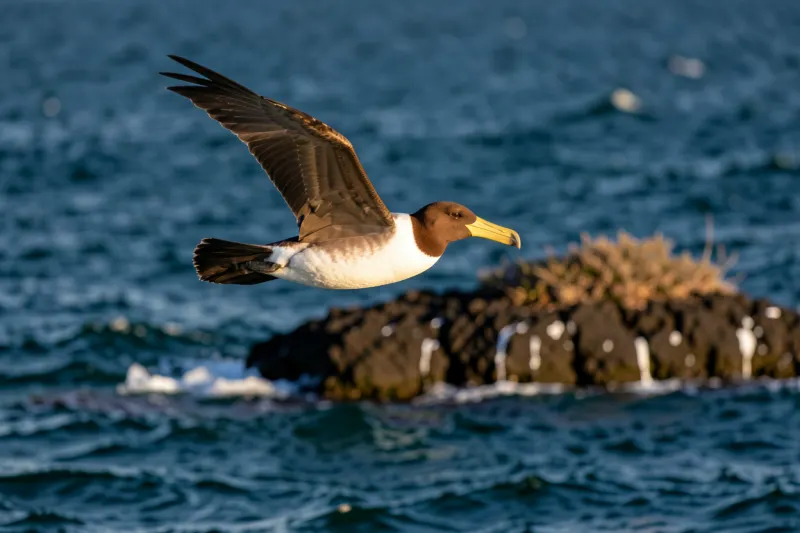
Santa Rosa National Park, including the Islas MurciélagoBat Islands
No fishing. The Bat Islands are one of the country's best-known dive sites, which is exactly why boats from Playas del Coco go there to dive and go elsewhere to fish. Our Bat Islands guide covers the diving.
Bahía Santa Elena Marine Management Area
Zoned. Fishing is allowed only as its management plan permits.
Bahía Junquillal Wildlife Refuge
Restricted under its management plan. Check with the park office before fishing the bay.
Papagayo Responsible Fishing Area
Sport fishing allowed. INCOPESCA's board created it in November 2021 (AJDIP/255-2021), covering about 793 km² from the edge of Santa Rosa National Park, across the Gulf of Papagayo, to the outer limit of Las Baulas. Its fishing plan has 2 rules that sport boats out of Coco, Flamingo and Papagayo should know: keep 200 m from any dive boat working the Catalinas, and no more than 4 boats on one dive site there (2 at Las Pelonas and the other mapped dive sites). The plan also names roosterfish and almaco jack among the fish to be released in that sector, and lists bull, hammerhead, tiger and nurse sharks and all rays for protection.
Las Baulas Marine National ParkTamarindo and Playa Grande
No fishing. The park protects leatherback turtle nesting beaches and the sea in front of them, and Tamarindo's boats run out past it. See our Tamarindo fishing page.
Ostional and Camaronal wildlife refuges
Zoned. Both are turtle-nesting refuges with a strip of sea where fishing is limited by the management plan.
San Juanillo Responsible Fishing Area
Zoned. A small community area off San Juanillo, north of Ostional, with its own plan; parts of it have been challenged in court, so check locally.
For how the season and the winds work up here, see our Guanacaste fishing guide.
The Nicoya Peninsula and the Gulf of Nicoya
This is the most crowded stretch of the map, because the gulf mixes national parks, seabird reserves, refuges and 7 community fishing areas.
Cabo Blanco Absolute Natural Reserve
No fishing. Its marine part is about 18 km² off the tip of the peninsula.
Cabo Blanco Marine Management Area
Sport fishing allowed in some zones. Created by Decree 40442 in 2017, it covers about 825 km² around the reserve, and its plan allows non-commercial sport and tourist fishing in its low-intervention zone. Boats from the beaches at the southern tip of the peninsula fish this water, so ask your captain which zone you're in.
Caletas-Arío Wildlife Refuge
Zoned. A turtle refuge with a large marine area south of Playa Coyote.
Paquera-Tambor Responsible Fishing Area
Zoned. A big area along the coast from Paquera to Tambor. The Curú Wildlife Refuge has no water of its own, but the Paquera-Tambor plan closes Curú bay to commercial fishing while allowing recreational and tourist use.
Isla San Lucas National Park
No fishing. The park's 2020 to 2030 management plan bans fishing and the taking of any marine product in its sea area, tolerating only modest subsistence fishing by locals.
Islas Negritos, Isla Guayabo and Isla Pájaros biological reserves
No fishing. These are seabird islands. For Isla Pájaros, the management plan sets a 50 m buffer around the island measured from the shore, and MarViva's 2024 compilation treats Negritos and Guayabo the same way.
Isla Caballo, Isla Venado, Palito-Montero (Isla Chira), Níspero, Costa de Pájaros and Area 201
Community responsible fishing areas in the middle and inner gulf, where each plan lists the gear allowed. MarViva's table marks sport fishing as "not specified" in most and "zoned" in Area 201, so go with a local operator who knows the plan.
Cipancí and Isla Chora wildlife refuges, and the Puntarenas estuary wetland
Zoned under their plans. La Ensenada Wildlife Refuge: no sport fishing in MarViva's table.
The inner gulf closure
Separate from all of this, INCOPESCA closes the inner Gulf of Nicoya to all fishing, sport included, every year; in 2026 the closure ran from 1 May to 31 July. Our Gulf of Nicoya guide and Nicoya Peninsula guide cover the local picture.
Central Pacific
Tárcoles Responsible Fishing Area
Sport fishing allowed, under the plan agreed with the Tárcoles fishing cooperative.
Playa Hermosa-Punta Mala Wildlife Refuge
Rod and line allowed. The refuge's plan allows recreational and sport fishing with rod or hand line in its marine-coastal zone, along with surfing and research, while commercial fishing and motorised water sports aren't allowed.
Manuel Antonio National Park
No fishing. The park includes a marine area off its beaches and islands, and the Quepos fleet fishes outside it. Our Manuel Antonio page and Central Pacific guide have more.
Southern Pacific
Dominicalito Responsible Fishing Area
Zoned. A small community bay for responsible small-scale fishing between the Barú river and the Ballena park; see our Dominical page.
Marino Ballena National Park
No fishing. Whale watching and snorkelling tours are fine; fishing boats from Uvita and Ojochal head outside the park.
Térraba-Sierpe National Wetland
Zoned. A huge mangrove estuary where fishing is limited by the wetland's management plan.
Isla del Caño Biological Reserve
No fishing. Boats from Drake Bay and Sierpe dive and snorkel here, and fish the water around it. Our Caño Island page explains the visit.
Corcovado National Park
No fishing. Its mapped outline is mostly land, so treat the water just off its beaches as closed too.
Pejeperro refuge
Zoned, on the Osa coast. Río Oro refuge: no sport fishing in MarViva's table.
Golfo Dulce Responsible Fishing Area
Sport fishing allowed. INCOPESCA created it in 2010 (AJDIP/191-2010) inside a line from Punta Banco to Cabo Matapalo. Rod and reel sport fishing goes on as usual, with circle hooks when you're using bait. Piedras Blancas National Park, on the gulf's north shore, is a no-fishing park. Our Golfo Dulce guide and Southern Pacific guide go into the gulf in detail.
Far offshore: Cocos Island and the seamounts
Cocos Island National Park
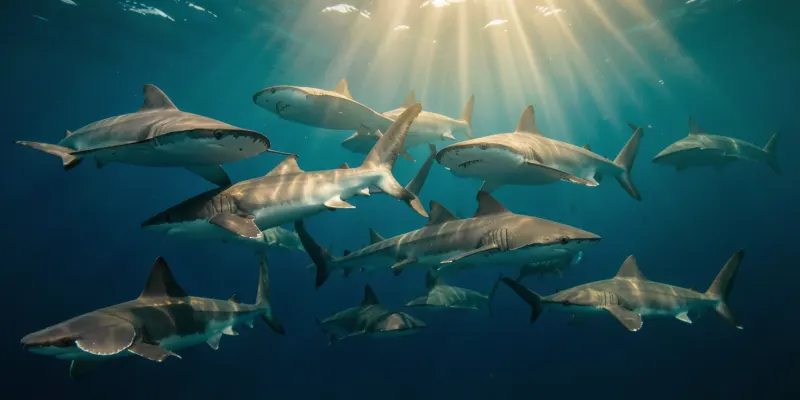
No fishing, anywhere in it. In December 2021 a decree grew the park from about 2,034 to about 54,844 km², roughly 500 km out in the Pacific. The hammerhead schools that make it famous are fully protected anyway: all 3 hammerhead species have been off limits since 2023. Our Cocos Island page has more.
Bicentennial Seamounts Marine Management Area
Zoned. Created at the same time around the park, it allows some regulated fishing under its plan and keeps some zones closed. It's a long run from the coast, so this matters mainly to long-range boats.
Caribbean
Barra del Colorado Wildlife Refuge
Sport fishing allowed, with a licence. SINAC's 2026 guide for anglers allows sport and subsistence fishing with rod or hand line only, from 5 am to 6 pm, never on Tuesdays (the river's rest day), and with a SINAC refuge licence that's separate from INCOPESCA's. The main Río Colorado channel, Caño Bravo, part of Caño Penitencia, Samay Lagoon and Laguna Agua Dulce are open all year. More than 20 inner lagoons close from 1 October to 31 January for spawning, the river mouth is closed to calba (fat snook) over the same months, and no nets or other gear are allowed within 1.5 km either side of the mouth and 2 km out to sea. Our tarpon season and calba run guides explain how these rules shape a trip.
Barra del Colorado responsible fishing area and marine management area
Off the refuge, INCOPESCA created a responsible fishing area in 2019 (AJDIP/549-2019), and in 2020 the government added a marine management area of about 668 km², between 7 and 12 miles out along the border with Nicaragua. Both are managed together with the refuge.
Tortuguero National Park
No fishing. SINAC's own visitor brochure for the park says it plainly. Our Tortuguero page covers the canals and the turtle beaches.
Cahuita National Park
No fishing in its marine sector under Law 8436; the park protects the coast's best-known coral reef. The local community shares in running the park, so ask the park office about any local arrangements before you assume anything.
Gandoca-Manzanillo Wildlife Refuge
Restricted. A mixed refuge with a marine sector where fishing is limited by the management plan. The Caribbean side overall is covered in our Caribbean fishing guide.
All the areas at a glance
| Coast | No fishing | Zoned or restricted | Responsible fishing areas |
|---|---|---|---|
| Guanacaste | Santa Rosa (Bat Islands), Las Baulas | Bahía Santa Elena, Junquillal, Ostional, Camaronal | Papagayo (allowed), San Juanillo (zoned) |
| Nicoya and the gulf | Cabo Blanco reserve, Isla San Lucas, Negritos, Guayabo, Pájaros, La Ensenada | Cabo Blanco marine area (allowed in zones), Caletas-Arío, Cipancí, Isla Chora, Puntarenas estuary | Paquera-Tambor, Area 201 (zoned); Caballo, Venado, Palito-Montero, Níspero, Costa de Pájaros (not specified) |
| Central Pacific | Manuel Antonio | Playa Hermosa-Punta Mala (rod and line OK) | Tárcoles (allowed) |
| Southern Pacific | Marino Ballena, Isla del Caño, Corcovado, Piedras Blancas, Río Oro | Térraba-Sierpe, Pejeperro | Dominicalito, Golfo Dulce (zoned) |
| Far offshore | Cocos Island | Bicentennial Seamounts | |
| Caribbean | Tortuguero, Cahuita | Barra del Colorado refuge (with SINAC licence), Gandoca-Manzanillo, Barra del Colorado marine area | Barra del Colorado |
Fishing near a boundary
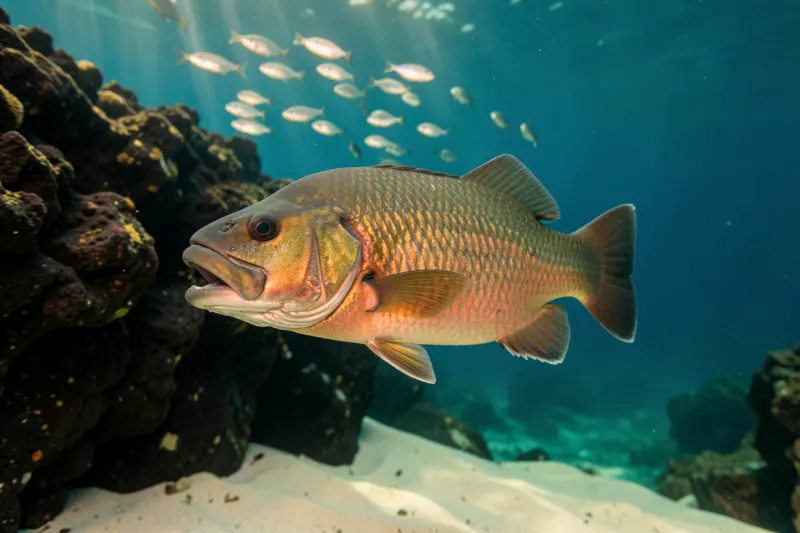
The fish don't read the map, and a lot of good inshore fishing happens just outside park lines, where fish move in and out of water nobody fishes. Fishing outside the line is legal, and it's one way the parks help anglers. A few habits keep it that way:
- Ask before you leave the dock. "Where's the nearest park or reserve line today?" is a normal question for a good captain.
- Trolling through counts. A line in the water inside a no-take park is fishing, even on the way somewhere else. Reel in before crossing.
- Island buffers are small but real. Around the seabird reserves in the Gulf of Nicoya, 50 m from shore is closed.
- Dive sites come first at the Catalinas. Keep 200 m from a working dive boat.
- Refuges have their own hours and licences. At Barra del Colorado, that means 5 am to 6 pm, no Tuesdays, and a SINAC licence on top of your INCOPESCA one; our licence guide explains both.
The outlines on our fishing map are from OpenStreetMap and include each area's land as well as its water, and some smaller areas are shown only as approximate points, so treat the map as a guide to where the lines are, not a navigation chart. Management plans change, which is why we name the agreement or plan behind each rule. The rest of the national rules, from releases to the 5-fish limit, are in our complete Costa Rica fishing rules guide, and the reasons behind them are in our conservation guide.
Frequently asked questions
Where is fishing banned in Costa Rica?
In every national park, natural monument and biological reserve, plus absolute reserves such as Cabo Blanco. On the water that includes Santa Rosa (the Bat Islands), Las Baulas, Isla San Lucas, Manuel Antonio, Marino Ballena, Caño Island, Corcovado, Cocos, Tortuguero and Cahuita.
Can I fish in a wildlife refuge?
Sometimes. Fishing in wildlife refuges is limited by each refuge's management plan. Playa Hermosa-Punta Mala allows rod and line in its marine zone, and Barra del Colorado allows sport fishing with a SINAC licence and set hours.
What is a responsible fishing area?
An Área Marina de Pesca Responsable (AMPR) is an area INCOPESCA creates with local fishing communities, with its own fishing plan. Sport fishing is usually allowed in them, as at Papagayo, Tárcoles and Golfo Dulce, under the plan's gear rules.
Can I fish near Caño Island or the Bat Islands?
Not inside them: both are closed to all fishing. Boats fish the water around them, outside the protected boundaries, and dive inside.
What happens if a boat fishes inside a national park?
Article 153 of the Fisheries Law sets a fine of 20 to 60 base salaries and cancellation of the fishing licence for anyone who fishes, or authorises fishing, in a national park, natural monument or biological reserve.
Sources
- Ley de Pesca y Acuicultura N.º 8436, articles 9 and 153 (INCOPESCA)
- Best practices guide for tourist and sport fishing in Costa Rica, Table 5: where sport fishing is allowed (MarViva, 2023)
- El ordenamiento pesquero vigente en el Golfo de Nicoya, compilación detallada (MarViva, 2024)
- Acuerdo AJDIP/255-2021, creates the Papagayo responsible fishing area (INCOPESCA)
- Plan de Ordenamiento Pesquero y Acuícola, AMPR Papagayo (INCOPESCA, 2021)
- Acuerdo AJDIP/191-2010, creates the Golfo Dulce responsible fishing area (INCOPESCA)
- Acuerdo AJDIP/219-2018, creates the Dominicalito responsible fishing area (INCOPESCA)
- Acuerdo AJDIP/549-2019, creates the Barra del Colorado responsible fishing area (INCOPESCA)
- Acuerdo AJDIP/224-2021, creates responsible fishing area 201 in the inner Gulf of Nicoya (INCOPESCA)
- Guía para pescadores responsables, Refugio Barra del Colorado (SINAC, Área de Conservación Tortuguero, 2026)
- Tortuguero National Park visitor brochure (SINAC, Área de Conservación Tortuguero)
- New Barra del Colorado marine area consolidates a protected block in the north Caribbean (Observador, 2020)
- Costa Rica expands Cocos Island National Park (The Tico Times, 2021)
- Amplían área de Isla del Coco (Delfino, 2021)
- Seasonal fishing ban in the Gulf of Nicoya (The Tico Times, 2026)


