
The Fall Snook Run (Calba) on Costa Rica's Caribbean
Calba, or fat snook, gather at the Caribbean's river and lagoon mouths to spawn from about October to January, and anglers have long fished the run from about November to February. At Barra del Colorado the river mouth and inner lagoons are closed to calba from October 1 to January 31, and a 2026 study found the stock there overfished, so check where you can fish and release the big females.
At a glance
- Species
- Fat snook (Centropomus parallelus), called calba or calva
- Size
- Usually about 5 to 8 pounds; FishBase maximum 72 cm and 5 kg
- Spawning run
- About October to January, at river and lagoon mouths
- Angling season named by guides and writers
- About November to February
- Barra del Colorado
- Calba closed at the river mouth and inner lagoons, October 1 to January 31
- Size slot in the Barra refuge
- Keep only calba from 40 to 60 cm
- Tackle
- Light spinning gear, small jigs, a heavier leader
Part of our complete guide: Fishing Costa Rica's Caribbean Coast: The Complete Guide
The short answer
Late every year, fat snook, which everyone on this coast calls calba (or calva), crowd into the mouths of the Caribbean's rivers and lagoons to spawn. Scientists put the spawning run at about October to January, and the writers and guides who fish it name about November to February as the season. Calba are small, usually 5 to 8 pounds, but they come in numbers, they're good on light tackle and they're good to eat.
There's a big catch, and it's the reason this article exists. At Barra del Colorado, the heart of the run, the river mouth and the inner lagoons are closed to calba from October 1 to January 31, and a 2026 study found the stock there overfished. Our complete guide to fishing the Caribbean coast gives the whole picture; here's what you need to know to fish the calba run legally and well.
What calba are
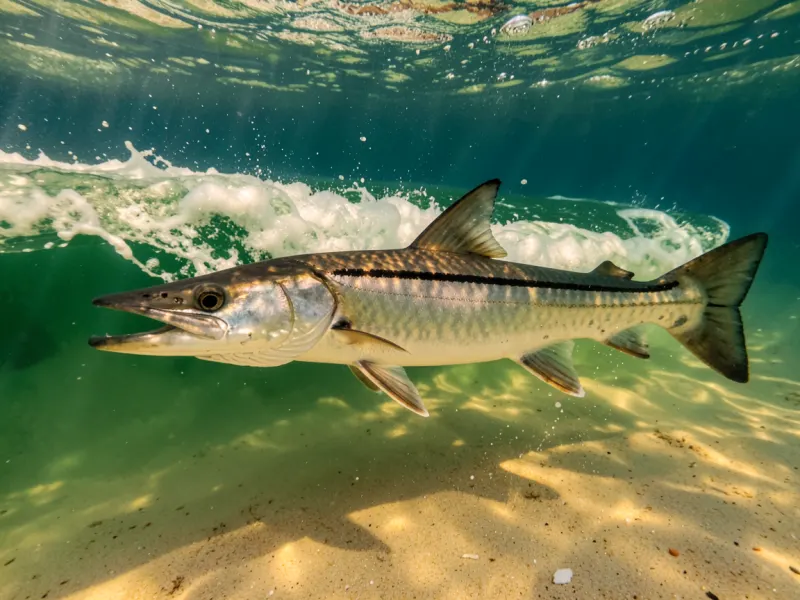
The fat snook (Centropomus parallelus) is a smaller, deeper-bodied cousin of the common snook, with the same sloping forehead, jutting lower jaw and black line along its side. FishBase lists a maximum of 72 centimeters and 5 kilograms, with a common length of about 25 centimeters. It lives in coastal water, estuaries and lagoons and runs up into fresh water, preferring water that's barely salty at all, and it spawns in brackish estuaries.
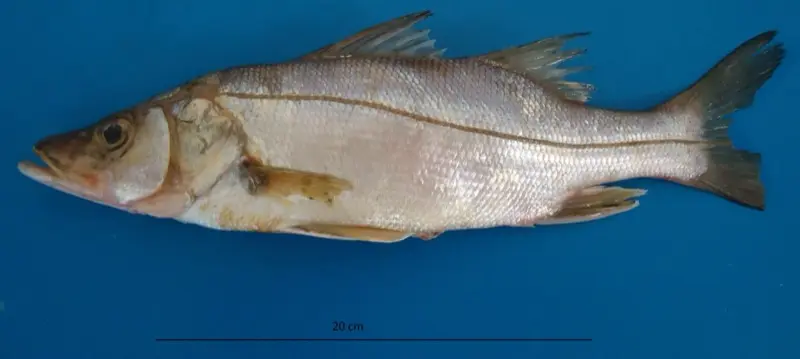
Two facts about its life explain both why the run happens and why it's fragile:
They change sex as they grow
Like all snook, calba start life as males and many become females as they get bigger. A 2026 study at Barra del Colorado, published in the Revista de Biología Tropical, found that fish of 45 centimeters or more are generally females, and put the length at which half the fish are mature at about 41 centimeters.
They gather to spawn
The same study describes calba as migratory, gathering at the river and lagoon mouths in the spawning season, and calls the calba the main commercial species landed in the area. The big females dominate at the river mouths, where they come to breed.
FECOP, the Costa Rican sport fishing federation, counts four snook species on the Caribbean side. Calba and the common snook are the two anglers come for; the swordspine snook is much smaller, with a FishBase maximum of about 36 centimeters. Our snook species guide covers the big common snook.
When the run happens
Sources describe the calba run in slightly different terms, depending on whether they're watching spawning fish or catches.
| Source | What it says |
|---|---|
| 2026 study, Barra del Colorado | Spawning aggregation and fishing season, October to January |
| SINAC, Barra del Colorado refuge | Calba closed season at the river mouth, October 1 to January 31 |
| ICE fish survey, Parismina (2013 to 2015) | Mature calba near the Parismina and Jalova mouths in November and December |
| The Tico Times, November 2005 | Run under way by mid-November up the Tortuguero canal, lasting into January |
| Alberto Font, The Tico Times, 2010 | Fat snook run from November through February |
| FECOP | The run starts in December |
Put together, the fish arrive at the river mouths from about October, the angling run builds through November and December, and it fades by February. It also overlaps the wettest part of the year: Limón averages about 400 millimeters of rain in November and 445 in December, according to the national weather service, so expect muddy rivers and days when the sea keeps you inside.
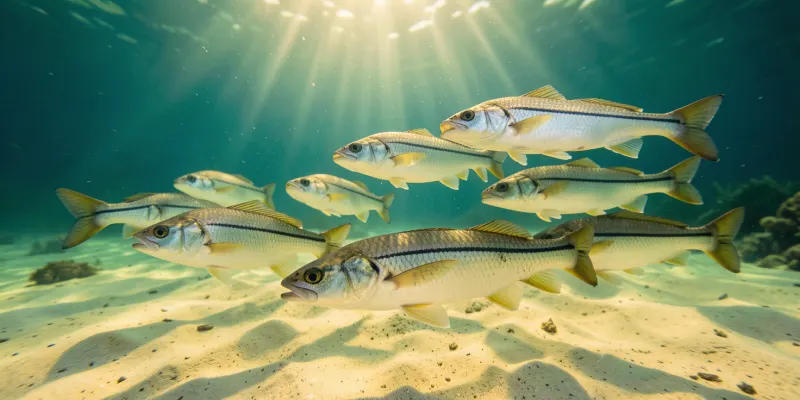
Where the run goes
The ICE fish survey, citing the Costa Rican fish expert William Bussing, notes that calba are known for their end-of-year migrations in the Colorado, San Juan, Tortuguero and Parismina rivers, and that the runs there were once huge and an important source of income for local families. The Tico Times reported in 2005 that the fish showed first up the Tortuguero canal and then moved north into the backwaters and lagoons around Barra del Colorado.
The same survey adds a sobering note: local people told the researchers they hadn't seen those mass migrations for a long time.
Barra del Colorado
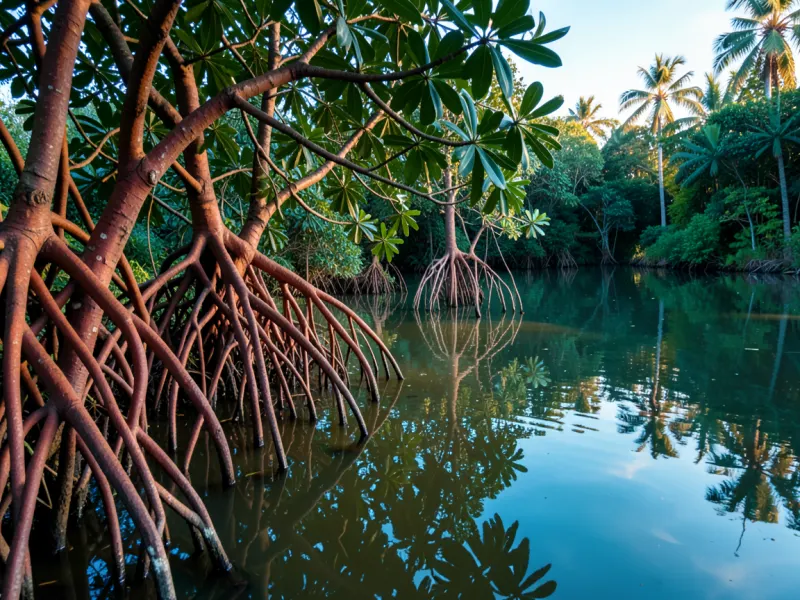
The biggest calba fishery on the coast, and the most tightly ruled. The river mouth and more than 20 inner lagoons are closed during the run (see the rules below). The main channel of the Río Colorado, Caño Bravo, part of Caño Penitencia, Samay Lagoon and Laguna Agua Dulce stay open all year except Tuesdays.
Tortuguero
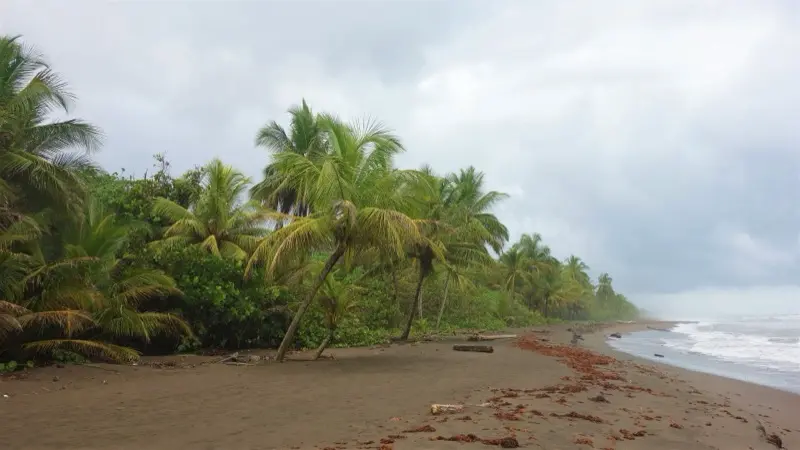
The canal and river mouth by the village have a long calba history, but much of the area is Tortuguero National Park, and Costa Rica's fishing law (Ley 8436, article 9) bans sport fishing in national parks. The boundaries aren't marked on the water. Fish only with a licensed local guide who knows where fishing is allowed. The Manatus Hotel books trips with a local operator and gives September to December as its snook season.
Parismina
The Parismina river mouth, south of the national park, is a classic snook spot from a boat or the beach, and the IGFA all-tackle world record common snook was caught here in 1978. The Jalova mouth just north of the village, where the ICE survey found mature calba, is inside the park.
The rules for calba
This is where most visiting anglers get caught out. The detail below is from SINAC's January 2026 anglers' guide for the inland waters of the Barra del Colorado Wildlife Refuge, which SINAC and INCOPESCA manage under a joint fishing plan.
| Rule | What it says |
|---|---|
| Calba closed season | October 1 to January 31 at the mouth of the Río Colorado |
| River-mouth zone | During the closure, no fishing with nets or any other gear within 1.5 km either side of the centre of the mouth and 2 km out to sea; the rest of the year, rod and hand line only |
| Inner lagoons | Closed to all fishing October 1 to January 31 for spawning; open February to September |
| Size slot | Calba may be kept only from 40 to 60 cm; smaller ones go back alive |
| Gear | Rod or hand line only, from shore or a boat; no nets, cast nets, spears or traps |
| Hours | 5 a.m. to 6 p.m.; no fishing on Tuesdays |
| Licence | A SINAC licence, valid for 1 year, separate from INCOPESCA's |
We read the river-mouth rule as closing the mouth to calba fishing for the whole run. Outside the refuge, there's no special calba rule that we could find, so the national rules apply: an INCOPESCA licence to fish from a boat (Ley 8436, article 75), up to 5 fish per trip for your own use (Decreto 36782, article 68), no selling your catch, and no fishing in national parks. Rules here change, so ask your lodge or guide what's open before you go, and see our fishing rules guide for the national picture.
Why the run needs a light touch
The 2026 study is the first assessment of the calba stock in Costa Rica. Researchers measured more than 2,200 calba landed at Barra del Colorado between 2019 and 2024 and found:
- Too much fishing. Fishing mortality was well above the levels the authors consider sustainable.
- Big females taken. Most of the catch was fish of about 45 centimeters, which are mostly females.
- Low spawning potential. The stock is producing well below the share of eggs a healthy fishery should.
The authors called the stock both overfished and still undergoing overfishing, most likely because so many large females are removed, and they noted that calba catches have fallen sharply over time. Their recommendations line up with SINAC's rules: a size window that lets more fish become females before they're caught, closed seasons and no-take zones where the fish gather to spawn, and gear that takes fewer of the biggest fish.
For a visiting angler, that means:
- Fish where it's open. Never fish a closed river mouth or lagoon during the run.
- Release the big ones. In the refuge, a calba over 60 centimeters must go back; it's a breeding female. Outside, do the same.
- Keep a few, not a cooler. If you keep one for dinner, keep it within the slot.
Our conservation guide has more on careful releases.
How to fish for calba
Calba fishing is light-tackle work, close to shore. Font described it as great light-tackle action, and FECOP talks about lots of snook on light tackle.
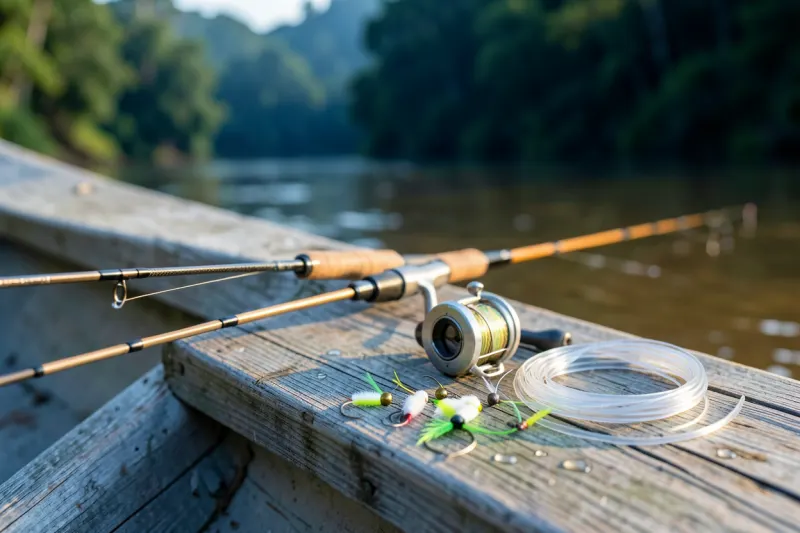
- Gear. A light to medium spinning rod and reel, enough to pull a 5 to 8-pound fish away from logs and roots.
- Lures. Small jigs are the classic calba lure, worked slowly near the bottom where the river meets the sea or along the edges of channels.
- Leader. Snook have sharp gill covers that can cut line, so a heavier fluorocarbon leader helps.
- Where. From a small boat at the river mouths and channels, or from the beach beside the mouths where that's allowed. The big common snook, fish of 35 pounds or more, also come off the beaches at the river mouths, FECOP says, so a heavier rod is worth having on hand.
- When. Guides judge the day by the bar, the rain and the colour of the water. After big rains, the rivers run brown and the fishing slows.
Our fishing techniques guide covers casting and jigging in more detail.
Planning a trip around the run
Because the run overlaps both the closures at Barra del Colorado and the wettest months, a calba trip needs more planning than a tarpon trip.
Pair it with tarpon
The tarpon peak runs through September and October, and snook fishing is good from September. Late October and November give you both. See our guide to tarpon season on the Caribbean.
Choose your base
At Barra del Colorado, Silver King Lodge lists snook among its river and lagoon catches; ask which waters will be open on your dates. In Tortuguero, the Manatus Hotel books river trips with a local guide. In Parismina, arrange fishing in the village.
Build in spare days
November and December are the wettest months at Limón, and rough seas can close the bars for days.
Bring light tackle
Lodges supply heavy tarpon gear, but if you're particular about light spinning tackle, bring your own.
For freshwater snook in the north, our guide to Caño Negro and the Río Frío is the place to start. For the whole coast, go back to our complete Caribbean fishing guide.
Eating calba
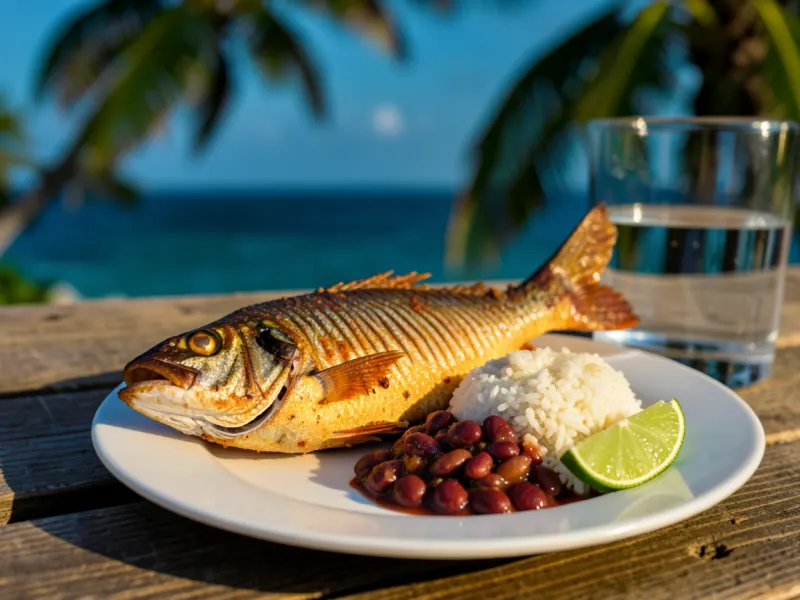
FishBase notes that the flesh is well regarded, and the calba fishery has long been one of the most important on this coast. If you keep one within the rules, your lodge kitchen, or a village soda if you ask ahead, can often cook it. On the Caribbean, that often means fried whole and served with rice and beans cooked in coconut milk.
Frequently asked questions
What is calba?
Calba (or calva) is the local name for the fat snook, Centropomus parallelus, a smaller Caribbean snook that gathers at river and lagoon mouths to spawn late in the year. Most fish are about 5 to 8 pounds.
When is the calba run?
The fish gather to spawn from about October to January. Anglers and writers have named about November to February as the season, with the run usually building through November and December.
Can I fish the calba run at Barra del Colorado?
Only in the waters that stay open. SINAC closes calba at the Río Colorado mouth, and all fishing in the inner lagoons, from October 1 to January 31. The main river channel and a few named channels and lagoons stay open, except on Tuesdays.
How many calba can I keep?
Inside the Barra del Colorado refuge, only calba from 40 to 60 centimeters may be kept. Elsewhere, national rules allow 5 fish per trip for your own use. Releasing the biggest fish, which are breeding females, helps a stock that a 2026 study found overfished.
What tackle do I need for calba?
Light to medium spinning tackle, small jigs and a heavier fluorocarbon leader for the sharp gill covers.
Is the calba run the same as tarpon season?
No, but they overlap. Tarpon peak in September and October, and the calba run builds from about November, so late October and November can give you both.
Charters and places in this guide

Barra del Colorado · fishing lodgeSilver King LodgeSilver King Lodge is an all-inclusive fishing lodge on the Río Colorado, inside the Barra del Colorado Wildlife Refuge on Costa…
Tortuguero · resortManatus HotelManatus Hotel is a small hotel on the canals of Tortuguero, on Costa Rica's northern Caribbean coast, reached only by boat or…Sources
- Guía para pescadores responsables, aguas continentales, Refugio Nacional de Vida Silvestre Barra del Colorado (SINAC, Área de Conservación Tortuguero, January 2026)
- Stock status of the calva (Centropomus parallelus) fishery in Barra del Colorado: evidence of overfishing from a length-based assessment (Revista de Biología Tropical, vol. 74, 2026)
- Monitoreo de la fauna íctica del río Reventazón-Parismina, 2013 to 2015 (ICE, for SINAC ACTo, December 2015)
- Centropomus parallelus species summary (FishBase)
- Centropomus ensiferus species summary (FishBase)
- Costa Rica fishing by region, Caribbean tarpon and snook (FECOP)
- Hook up with tarpon season on Caribbean coast, the fat snook run (Alberto Font, The Tico Times, 2010)
- Caribbean wide open, calba in; Pacific good (The Tico Times, November 18, 2005)
- Ley de Pesca y Acuicultura N.º 8436, articles 9 and 75 (INCOPESCA)
- Reglamento a la Ley de Pesca y Acuicultura, Decreto 36782 (INCOPESCA)
- Silver King Lodge, river and lagoon species (official site)
- Sport fishing from the Manatus Hotel, Tortuguero (official site)
- Puerto Limón climate, monthly rainfall from the Instituto Meteorológico Nacional (Wikipedia)


