
Fishing from Limón
The Caribbean's Port City and Gateway
Puerto Limón is the Caribbean coast's port city and service hub rather than a fishing destination: there's no marina or charter fleet, but local boats fish the open sea off the city for kingfish, mackerel, jacks and snapper when it's calm. Most anglers use Limón as the gateway to the tarpon rivers of Parismina, Tortuguero and Barra del Colorado to the north, and to the beaches of Cahuita and Puerto Viejo to the south, and stock up at its tackle shops on the way.
At a glance
- What it is
- The Caribbean's port city, about 2.5 to 3 hours by road from San José
- Fishing off the city
- Small local boats, kingfish, Spanish mackerel, jacks, snapper and cubera
- Marinas
- None on the coast; boats leave from small landings and the Moín docks
- Best months
- September and October, then about February to April
- Tarpon
- Always released alive under Costa Rican law
- Tackle
- The coast's main cluster of tackle shops is in and around the city
- Getting there
- Route 32 through Braulio Carrillo, or a SANSA flight
Part of our complete guide: Fishing Costa Rica's Caribbean Coast: The Complete Guide
The short answer
Puerto Limón isn't where you come to fish, but you'll almost certainly pass through it if you fish Costa Rica's Caribbean. It's the coast's only real city: a working port with the coast's tackle shops, fuel, hardware and the docks at Moín where boats leave for the long canal run north. There's no marina and no charter fleet, but small local boats fish the open sea off the city for kingfish, mackerel, jacks and snapper on calm days.
The famous fishing is elsewhere. To the north, the roadless river mouths of Parismina, Tortuguero and Barra del Colorado draw some of the biggest tarpon in Central America, plus snook. To the south, around Cahuita and Puerto Viejo, fishing is a half-day affair on a beach holiday. This page covers Limón itself and how to use it as a base. Our complete guide to the Caribbean coast covers every town in depth.
The city and the coast
Costa Rica's Caribbean coast runs about 200 km from the Nicaraguan border to Panama, and every kilometer of it is in Limón Province. It feels like another country from the Pacific side: Afro-Caribbean culture, English-based Creole alongside Spanish, rice and beans cooked in coconut milk, and rain in almost any month.
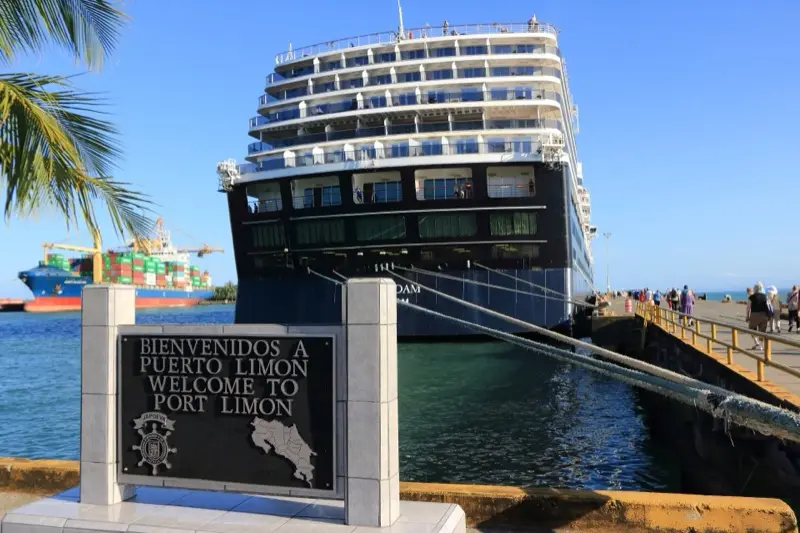
Puerto Limón is the provincial capital and the country's main Caribbean port, with a cruise pier in the city and container docks at Moín, just to the north. For anglers, the city is useful for 3 things: a night's stop on the way through, a tackle run, and a jumping-off point by road or water to the fishing villages.
Fishing off the city
When the sea lies down, small local boats run out from the landings around Limón and Moín to fish the open water, reefs and rocky points off the city. It's informal fishing with local fishermen rather than a sportfishing industry: you'll troll lures and drop jigs, and the catch depends on the day.
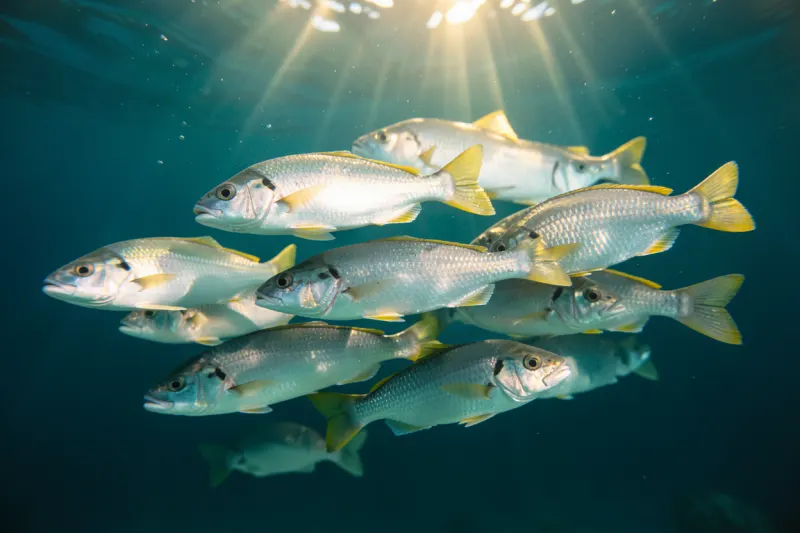
What turns up:
- Kingfish and Spanish mackerel on trolled lures and spoons along the reef edges.
- Jack crevalle and barracuda, which hit almost anything that moves.
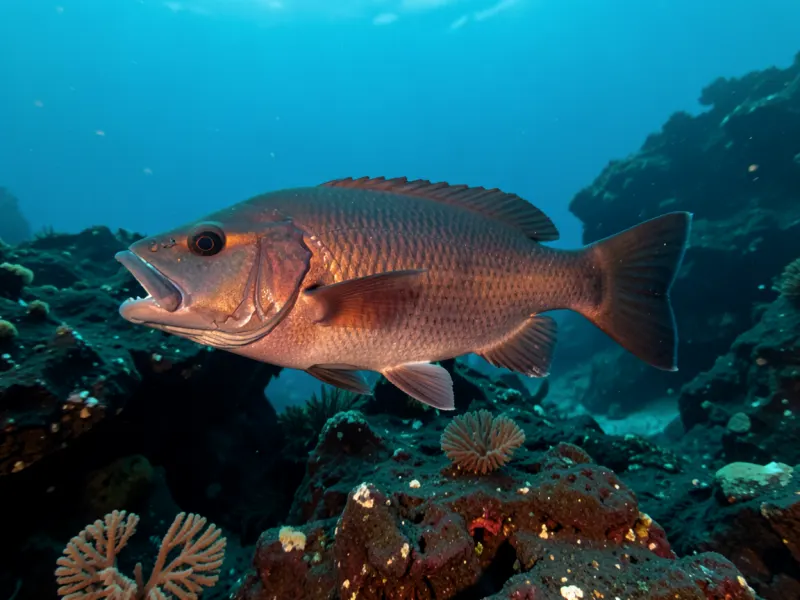
- Snapper and cubera on jigs over rocky bottom. FECOP's May 2026 report on Caribbean fishing names cubera, silk snapper and dog snapper among the region's catches.
- Big grouper (mero), which FECOP says can reach 100 to 130 kg in these waters.
- Tarpon, now and then, though the reliable tarpon water is in the northern river mouths.
We couldn't find any fishing business based in Limón with a working website, booking page or dated 2025-26 reviews in November 2026, so we're not naming one. If you want a day out from the city, ask at your hotel or at one of the tackle shops below, and check the captain carries his licence and the boat's papers.
A new local association
That may change. In September 2026, Caribbean fishermen founded ALIPRED, the Asociación Limonense de Pesca Recreativa y Deportiva, at a meeting in Siquirres held as part of FECOP's Tarpon Trail exchanges, with INCOPESCA, SINAC and the coast guard taking part. It aims to link recreational and sport fishermen from Barra del Colorado, Parismina and Puerto Viejo, build local skills in sport-fishing tourism and open a line to the government. Watch for guided trips and events from its members.
Limón as a gateway
Most anglers who stop in Limón are on their way somewhere else. Here's where the roads and waterways lead.
| Destination | Fishing | How you get there from Limón |
|---|---|---|
| Parismina | Tarpon off the river mouth, snook from boat and shore | Road to Caño Blanco via Siquirres, then a short boat ride |
| Tortuguero | Tarpon and snook around the river mouth, with a guide | Private boat up the canals from Moín, or road to La Pavona and boat |
| Barra del Colorado | The coast's lodge capital for tarpon | Lodge flights from San José, or road to Puerto Lindo and boat |
| Cahuita | Little fishing; the reef is a national park | About 45 minutes south on Route 36 |
| Puerto Viejo and Manzanillo | Half-day small-boat trips and shore casting | About an hour south on Route 36 |
North to the tarpon rivers
The canal route north from Moín runs inside the coast past the Parismina river mouth to Tortuguero. Silt at the Parismina mouth can make that crossing hard at low tide, so schedules shift. Parismina itself is where the IGFA all-tackle record common snook was caught, a 24.3 kg fish in 1978, and it has small family lodges and village guides (our guide to Caribbean fishing lodges has the detail).
For a dedicated tarpon trip, Barra del Colorado is the place. Silver King Lodge is open all year and flies guests in from San José, and the national fishing lodges guide compares it with lodges elsewhere. In Tortuguero, the canal-side Manatus Hotel books fishing days with a local operator.
South to the beaches
South of the city, Route 36 runs past Cahuita to Puerto Viejo and Manzanillo. Much of that shore is protected: Cahuita National Park is closed to sport fishing, and the Gandoca-Manzanillo refuge limits fishing to hook and line. Our Puerto Viejo guide explains where you can fish.
Bait and tackle in Limón
The lodges in the north supply tackle, so most visitors don't need a shop. But if you want to buy lures, leader or a spare rod, Limón and the towns along Route 32 are where the coast's tackle stores are. These all showed signs of being open in 2026:
| Shop | Where | Notes |
|---|---|---|
| Feliz Pesca | Limón centro, in front of the church | Wide range of tackle; services reels |
| Familia de Pesca (online store) | Villa del Mar 1, Limón | General tackle |
| Beraca Sport | Las Brisas, Limón | General tackle |
| Tarpon Rock Fishing Store | Limón | General tackle |
| Tienda de pesca MCN | Matama, south of the city | General tackle |
| Kraken CR (krakentiendacr.com) | Guácimo, on Route 32 | Its own lures plus sea, river and lagoon gear |
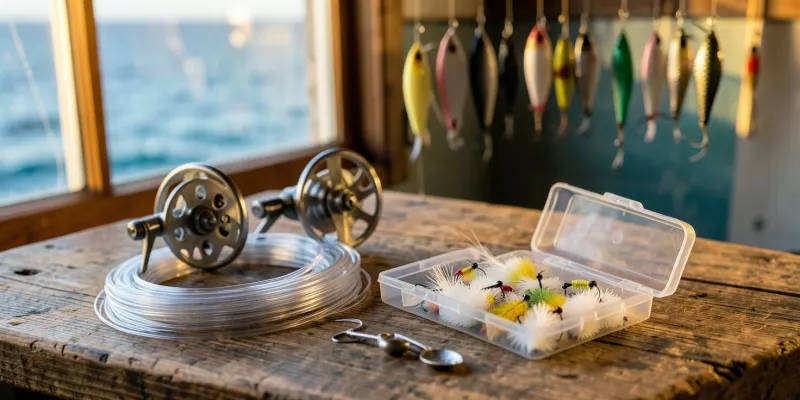
Fly anglers should bring everything: we found no fly shop anywhere on the coast. Heavy fluorocarbon leader is worth having for snook, which have sharp gill covers. Our bait and tackle guide lists shops across the country.
When to go
The Caribbean has no real dry season, and the sea matters more than the calendar. Rough seas close the river-mouth bars for days, and heavy rain muddies the rivers. This follows our site's season chart, with average monthly rainfall at Limón from the national weather service (IMN):
| Months | Tarpon | Snook | Rain at Limón |
|---|---|---|---|
| January | Good | Best | About 320 mm |
| February to April | Best | Good | About 210 to 265 mm |
| May and June | Good | Good | About 290 to 335 mm |
| July and August | Slow | Good | About 305 to 425 mm |
| September and October | Best | Best | About 140 to 205 mm |
| November and December | Good to slow | Best | About 400 to 445 mm |
September is the calmest, driest month on average, which is also when the Pacific is at its wettest, so it's a good time to switch coasts. Our tarpon season guide and calba run guide go deeper on timing, and the weather guide covers the rest of the country.
The rules to know
- Licence. Everyone fishing from a boat needs an INCOPESCA sport fishing licence (Ley 8436, article 75), sold online for 8 days, 30 days or 1 year. Our licence guide shows how.
- Tarpon. A species of tourist and sport-fishing interest (article 76), always released alive, in the water.
- Keep limit. 5 fish landed per trip for your own table (Decree 36782, article 68), and selling sport catches is banned.
- Hooks. Circle hooks are required when fishing with natural bait.
- Parks and refuges. No fishing in Tortuguero or Cahuita national parks. The Barra del Colorado refuge needs a separate SINAC licence, has set hours and closes on Tuesdays.
Our no-take zones list maps every protected area on the coast.
Getting there
- By road. About 2.5 to 3 hours from San José on Route 32 through Braulio Carrillo National Park, and about 5.5 hours from Liberia. Landslides in Braulio Carrillo during heavy rain can add hours.
- By air. SANSA flies from San José to Puerto Limón.
- Onward. Route 36 runs south to Cahuita and Puerto Viejo. For the north, it's boats from Moín, or road to the river landings at Caño Blanco, La Pavona and Puerto Lindo.
Our trip planning guide covers the rest.
Where to eat
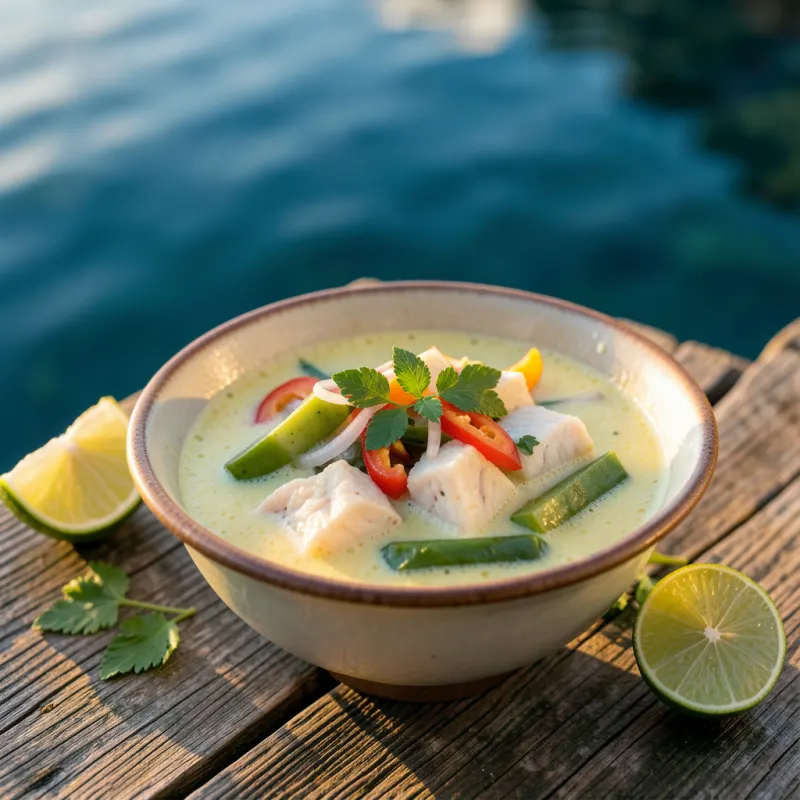
We couldn't confirm any restaurant in Limón that advertises cooking fish guests bring in, so we're not naming one. Ask your captain or hotel; small family restaurants often will if you ask ahead. Whatever you catch, try the local cooking: rice and beans in coconut milk, fried fish with patacones (fried plantain), and rondón, a coconut seafood stew whose name is said to come from "run down", cooking down whatever the day brought in.
Other things to do: the city's October carnival, the beaches north of town, and Cahuita National Park's easy beach trail and guided snorkeling over the reef.
Frequently asked questions
Can you go sportfishing from Puerto Limón?
Only informally. There's no marina or charter fleet, but local boats fish off the city for kingfish, mackerel, jacks and snapper when the sea is calm. Ask at your hotel or a tackle shop, and check the captain's licence.
Where is the best tarpon fishing on the Caribbean side?
The river mouths of the north: Barra del Colorado, Tortuguero and Parismina. All three are reached by boat or small plane, and Limón is the gateway to them by road and canal.
Can I keep a tarpon?
No. Tarpon are a species of tourist and sport-fishing interest under Costa Rican law and are always released, in the water.
Where can I buy fishing tackle on the Caribbean coast?
In and around Puerto Limón, which has most of the coast's tackle shops, and along Route 32 at Guácimo and Guápiles. There's no fly shop on the coast, so fly anglers should bring everything.
How far is Limón from San José?
About 2.5 to 3 hours by road on Route 32, more in heavy rain, or a short SANSA flight.
Charters and places in this guide

Barra del Colorado · fishing lodgeSilver King LodgeSilver King Lodge is an all-inclusive fishing lodge on the Río Colorado, inside the Barra del Colorado Wildlife Refuge on Costa…
Tortuguero · resortManatus HotelManatus Hotel is a small hotel on the canals of Tortuguero, on Costa Rica's northern Caribbean coast, reached only by boat or…Where this comes from
- Amar lo propio: pescar en el Caribe costarricense (FECOP in El Mundo CR, May 21, 2026)
- Pescadores de Limón crean asociación para fortalecer pesca recreativa y deportiva (Delfino.cr, September 16, 2026)
- Ley de Pesca y Acuicultura N.º 8436, articles 9, 75 and 76 (INCOPESCA)
- Reglamento a la Ley de Pesca y Acuicultura, Decreto 36782 (INCOPESCA)
- Guía para pescadores responsables, Refugio Barra del Colorado (SINAC ACTo, January 2026)
- Costa Rica fishing by region (FECOP)
- Caribbean tourist guide, sport fishing (Instituto Costarricense de Turismo)
- Tortuguero boat routes: La Pavona, Moín and Caño Blanco (Costa Rica Guide)
- Destinations (SANSA Airlines)
- Puerto Limón climate, monthly rainfall from the Instituto Meteorológico Nacional (Wikipedia)
- Kraken CR tackle shop (official site)
- Familia de Pesca (online store)
- Limón Province (Wikipedia)


