
Fishing from Tortuguero
Tarpon, Snook and the Rules Around the Park
Tortuguero is a roadless Caribbean village squeezed between a national park, where all fishing is banned, and the Barra del Colorado refuge, where fishing needs a SINAC licence. Local guides fish for tarpon and snook around the river mouth and just offshore in the water the rules allow, and September and October are usually the best months. Most visitors add a fishing day to a turtle and canal trip, booked through their hotel.
At a glance
- Main fish
- Tarpon, common snook, fat snook (calba), jacks, mackerel, barracuda
- Best months
- September and October, then about February to April
- Leaves from
- Hotel and village docks on the canals; no marina
- Park rules
- No fishing anywhere in Tortuguero National Park
- Refuge rules
- SINAC licence, 5 am to 6 pm, never on Tuesdays; inner lagoons such as Caño Palma closed October 1 to January 31
- Tarpon
- Always released, in the water
- Getting there
- SANSA flight from San José, or road to La Pavona and about an hour by boat
Part of our complete guide: Fishing Costa Rica's Caribbean Coast: The Complete Guide
The short answer
Yes, you can fish from Tortuguero, but not everywhere, and not on your own. The village sits on a strip of sand between the Caribbean and a maze of jungle canals, with Tortuguero National Park to the south, where every kind of fishing is banned, and the Barra del Colorado Wildlife Refuge to the north, where fishing is allowed with a SINAC licence and set hours. Local guides fish for tarpon and snook around the river mouth by the village and in the sea just outside it, in the water the rules allow.
Most people who fish here came for the turtles and the canals and add a half or full day on the water, booked through their hotel. September and October usually bring the calmest seas and the best tarpon fishing. For the whole coast, from Barra del Colorado to the Panama border, see our complete guide to the Caribbean coast.
A village between a park and a refuge
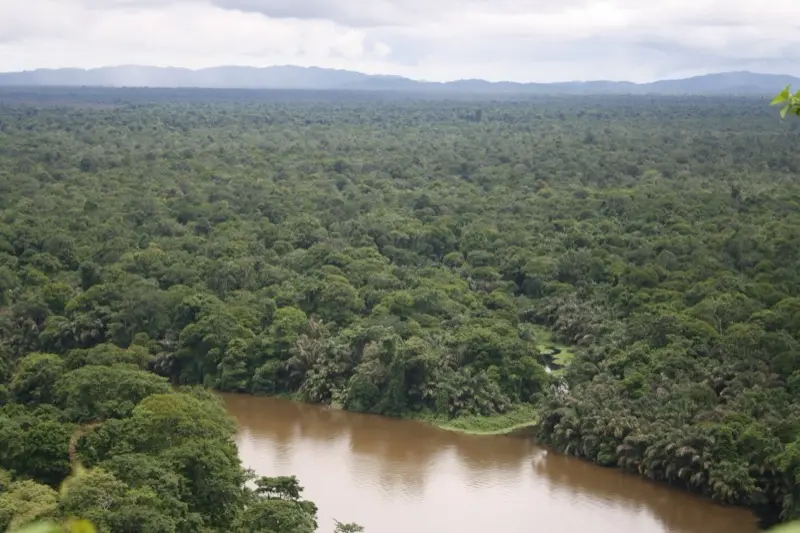
Tortuguero is about 80 km north of Puerto Limón, and no road reaches it. Everyone arrives by boat or small plane, and the village has no cars. The river that gives it its name runs past the village to the sea, and where it meets the surf it builds one of the classic tarpon and snook spots on this coast.
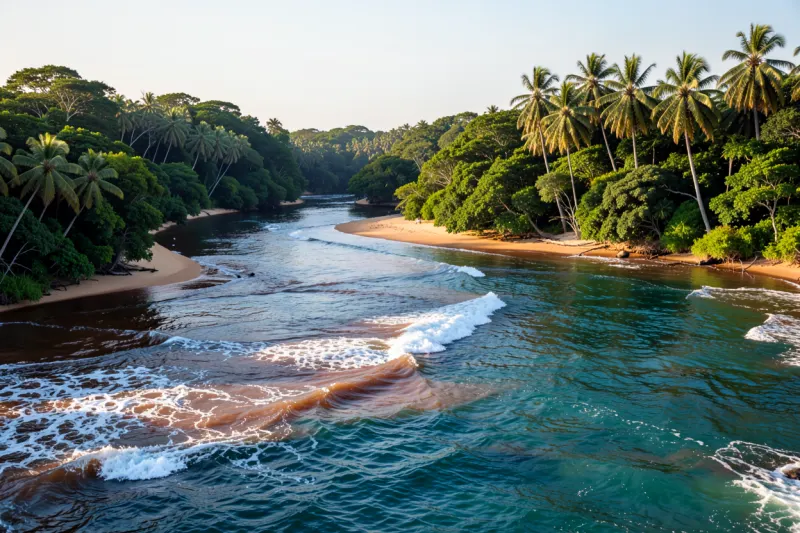
What makes fishing here tricky is the map. Two different protected areas meet at the village, with different rules:
Tortuguero National Park, to the south
SINAC's visitor brochure gives it about 26,653 hectares of land and 50,284 hectares of sea, and its list of restrictions starts with two words: "No fishing." Costa Rica's fishing law (Ley 8436, article 9) bans sport fishing in national parks. That covers the park's canals, such as Caño Harold and Caño Chiquero, the long turtle beach and the Jalova lagoon at the park's south end.
The Barra del Colorado refuge, to the north
The refuge's lowland forest, rivers and lagoons lie north of the village and run up to the Nicaraguan border. The Caño Palma research station, about 8 km north of the village, sits inside it. In the refuge, sport fishing is allowed with rules (below).
The boundaries aren't marked on the water. That's the main reason to fish here only with a licensed local guide who works these channels every week and can tell you exactly where you are.
What you'll catch, and when
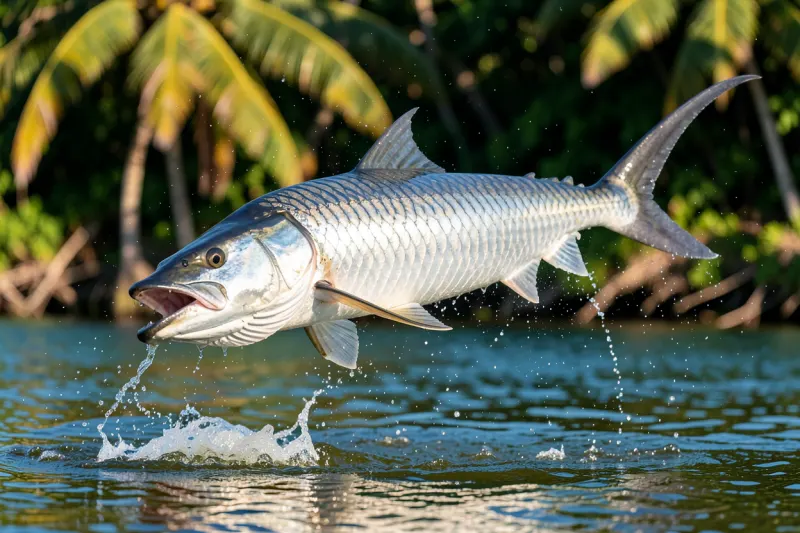
Tarpon are the main event. They live in the canals and rivers all year, and on calm days they school outside the river mouth, rolling at the surface. Our tarpon season guide goes through the months in detail. The Tico Times called September and October two of the best months in May 2026, when the sea often flattens. The Manatus Hotel, which books fishing here, gives its own tarpon season as January to June.
Snook are the other prize. Big common snook hold along the banks, logs and mangrove edges, and the fat snook (calba) run along this coast at the end of the year. FECOP, the Costa Rican sport fishing federation, says the calba start running in December; older Tico Times reports describe the run showing first up the Tortuguero canal in November. Manatus points to September to December for snook. Our guide to the calba run explains how it works and why the big females should go back.
Jacks, barracuda and mackerel fill the gaps along the coast, and on very calm days boats can run farther offshore.
Here's how the months usually shake out, following our site's season chart:
| Months | Tarpon | Snook | What to know |
|---|---|---|---|
| January | Good | Best | Calba run tails off; refuge inner lagoons still closed |
| February to April | Best | Good | Second-best window; drier, clearer rivers |
| May and June | Good | Good | Rainy season starts mid-May and muddies the rivers |
| July and August | Slow | Good | Wet months; green turtle nesting begins |
| September and October | Best | Best | Calmest, driest stretch; the best time to cross the bar |
| November and December | Good to slow | Best | Very wet; calba run at its peak |
The calendar matters less than the weather. The Caribbean has no real dry season, a big swell can keep boats inside the river mouth for days, and heavy rain turns the rivers to chocolate. Guides decide each morning.
How a fishing day works
Trips are usually arranged the day before, and they start early. You'll run down the canal to the river mouth in a small, open boat with a local guide. If the sea is calm, the guide will read the waves and cross the bar to look for tarpon rolling outside. If it's rough, you'll fish the river channels and lagoons where tarpon and snook also feed.
The local method for tarpon is to drift with heavy bucktail jigs, which guides here call chimbolos, bouncing them through the school. Lures, flies and natural bait are used too; if you fish with live or dead bait, the law requires circle hooks. Tarpon have hard, bony mouths and jump again and again, so many anglers count a jump as a win, and a big fish can take a long time to bring alongside.
Every tarpon goes back. Costa Rica's fishing law names tarpon a species of tourist and sport-fishing interest (article 76), and INCOPESCA's rules say they're released in the water without being lifted aboard. Expect your photo to be taken with the fish beside the boat. The Manatus Hotel describes all its fishing here as catch and release.
Half-day trips fit easily around a morning canal tour or an evening turtle walk, which is how most visitors combine the two.
Licences and the refuge rules
INCOPESCA licence
Everyone fishing from a boat needs their own sport fishing licence, sold online for 8 days, 30 days or 1 year. Many hotels and guides will arrange it if you send your passport details ahead. Our licence guide walks through it.
SINAC refuge licence
If your guide fishes inside the Barra del Colorado refuge, SINAC's January 2026 anglers' guide requires its own 1-year licence, separate from INCOPESCA's. Rod and hand line only, 5 am to 6 pm, and no fishing at all on Tuesdays, the river's rest day.
Closed lagoons
The same guide closes more than 20 inner lagoons and channels from October 1 to January 31 for spawning. Caño Palma, north of the village, is on that list.
What you can keep
Tarpon are always released. National rules allow 5 fish landed per trip for the table, never for sale, and inside the refuge small fish go back and species without a set size are limited to 5 a day per licence.
Our fishing rules guide has the national picture, and the no-take zones list shows the park and the refuge side by side. Rules here have changed over the years, so ask your guide which water you'll fish and which permits you need when you book.
Who to fish with
Tortuguero has no charter fleet and no marina. Fishing is booked through your hotel or a local guide.
Manatus HotelTortuguero
A small canal-side hotel, not a fishing lodge, that books half and full-day river and sea trips with Eddie Brown's local company, which supplies the boats and handles the permits. It's the easiest way to add a tarpon morning to a wildlife trip. Book ahead.
Your own hotel or a village guide
Booking agencies also sell guided fishing days that pick up from other canal-side lodges, so ask at the front desk wherever you're staying. We couldn't find a working website for any independent Tortuguero fishing guide in November 2026, so we're not naming one here; ask your hotel for a licensed guide and check they carry their permits.
For a dedicated tarpon trip of several days, the lodges at Barra del Colorado, farther north, specialize in it. Silver King Lodge is open all year, and our guide to Caribbean fishing lodges compares it with the others. The national fishing lodges guide covers the rest of the country.
Getting to Tortuguero
By plane
SANSA flies from San José to Tortuguero's airstrip, north of the village, and hotels meet you by boat. Small planes have strict baggage limits, so check before you pack rod tubes.
By road and boat
Drive or take a bus to La Pavona (via Guápiles and Cariari), then about an hour by boat up the canals. Many shuttle companies sell the whole trip from San José, Puerto Viejo or La Fortuna.
By the long canal
Private boats also run the canal route north from Moín, near Puerto Limón, passing the Parismina river mouth. Our guide to fishing from Limón covers that end of the coast.
Most hotels sell packages with transport, meals and tours, and some add fishing. Our trip planning guide has more on timing and licences.
Where to stay
Places to stay range from village guesthouses to lodges on the canals with their own docks. The Manatus Hotel is one of the canal-side hotels, with its own dock and fishing trips. Staying in the village itself puts you closest to the beach and the river mouth, and a short walk from the small sodas (family restaurants), where it's worth asking whether they'll cook a snook or jack you've legally kept.
Turtles and other things to do
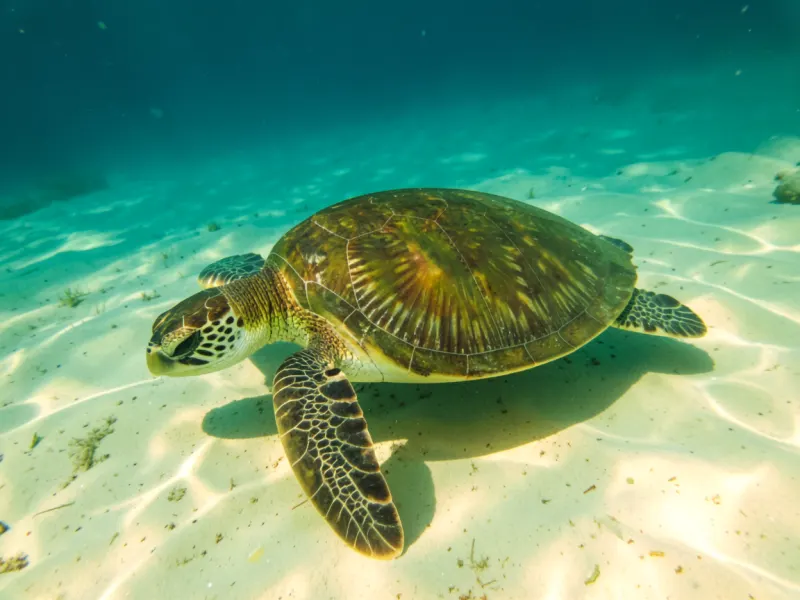
- Turtle watching. SINAC's brochure gives leatherback nesting as March to May, green turtles July to October, and hatchlings September to December. Night visits to the beach are by guided tour only, starting at 8 pm and 10 pm.
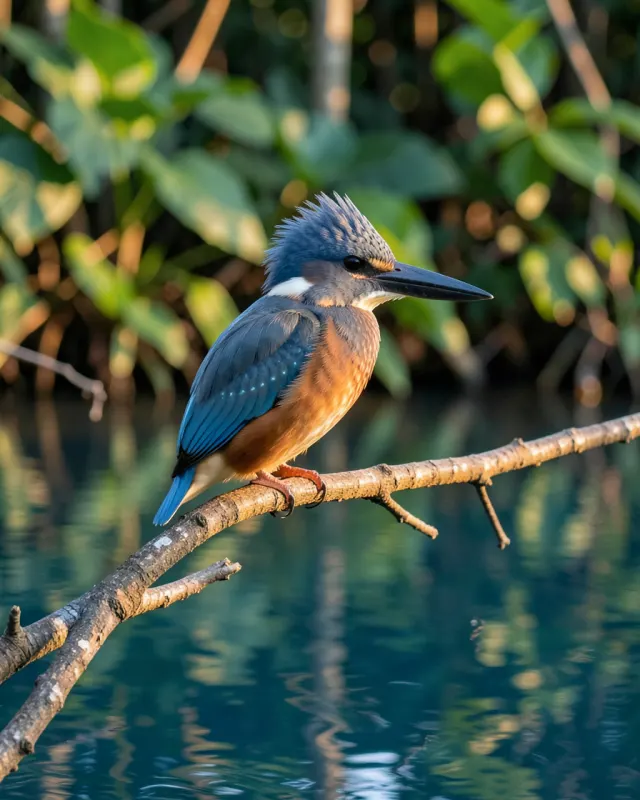
- Canal tours. The park's water trails open at set times from early morning, by boat or kayak, for monkeys, caimans, kingfishers and herons.
- Cerro Tortuguero. A short, steep climb north of the village to a lookout over the canals, the forest and the sea.
- The village. Small sodas, a few bars and the Sea Turtle Conservancy's visitor center.
Frequently asked questions
Can you fish in Tortuguero?
Yes, outside the national park and with a licensed local guide. Fishing happens around the river mouth by the village, in the sea just off it and in refuge waters to the north. There's no fishing anywhere inside Tortuguero National Park.
What's the best time to fish for tarpon in Tortuguero?
September and October usually bring the calmest seas and the best tarpon fishing, and about February to April is the second good window. The Manatus Hotel gives its tarpon season as January to June. Fish are caught all year when the weather allows.
Do I need a fishing licence in Tortuguero?
Yes. Everyone fishing from a boat needs an INCOPESCA sport fishing licence, and fishing inside the Barra del Colorado refuge also needs a SINAC refuge licence. Your hotel or guide can help with both.
Can I keep the fish I catch?
Tarpon are always released, in the water. A legal snook or jack can be kept within the national limit of 5 fish per trip, but most guides here practise catch and release, and the Manatus Hotel's trips are catch and release.
How do you get to Tortuguero?
By SANSA flight from San José, or by road to La Pavona and then about an hour by boat up the canals. No road reaches the village.
Charters and places in this guide

Tortuguero · resortManatus HotelManatus Hotel is a small hotel on the canals of Tortuguero, on Costa Rica's northern Caribbean coast, reached only by boat or…
Barra del Colorado · fishing lodgeSilver King LodgeSilver King Lodge is an all-inclusive fishing lodge on the Río Colorado, inside the Barra del Colorado Wildlife Refuge on Costa…Where this comes from
- Tortuguero National Park visitor brochure (SINAC, Área de Conservación Tortuguero)
- Guía para pescadores responsables, Refugio Nacional de Vida Silvestre Barra del Colorado (SINAC ACTo, January 2026)
- Where is Caño Palma Biological Station? (COTERC)
- Ley de Pesca y Acuicultura N.º 8436, articles 9, 75 and 76 (INCOPESCA)
- Acuerdo AJDIP/086-2014, sport-fishing rules (INCOPESCA)
- Costa Rica fishing by region (FECOP)
- Best time and place to go tarpon fishing in Costa Rica (The Tico Times, May 2026)
- Tortuguero boat routes: La Pavona, Moín and Caño Blanco (Costa Rica Guide)
- Destinations (SANSA Airlines)
- Tortuguero National Park (Wikipedia)


