
Wahoo in Costa Rica
Speed, Teeth and Great Eating
Wahoo are long, fast, razor-toothed relatives of the mackerels, caught offshore around islands, pinnacles, seamounts and floating debris on Costa Rica's Pacific coast. They're never caught in big numbers, but the best months are about May to August, and a wahoo is one of the best fish you can keep for dinner.
At a glance
- Names
- wahoo or peto (Spanish), Acanthocybium solandri
- Size
- up to 250 cm and 83 kg (FishBase); southern fish average 30 to 40 lb
- Best months
- about May to August, good the rest of the year in small numbers
- Where
- Pacific offshore, near islands, pinnacles, seamounts, drop-offs and floating debris
- Tell it apart
- long low dorsal fin, pointed beak-like snout with no bill, thin blue tiger bars
- Keep or release
- you may keep it within 5 fish per trip
- All-tackle record
- 184 lb, Cabo San Lucas, Mexico, 2005 (IGFA)
- Licence
- INCOPESCA sport fishing licence for everyone fishing from a boat
Part of our complete guide: Costa Rica Fish Species: The Complete Guide
The short answer
Wahoo are the sprinters of Costa Rica's offshore fishing. They're long, slim, razor-toothed fish that hang around rocky islands, pinnacles, seamounts and anything floating in deep water, and they hit a fast lure harder than almost anything else in the sea. They're caught off the whole Pacific coast in every month, but never in big numbers, and the best months are about May to August.
A wahoo is also one of the best fish you can take home, and it's not a release species, so you can keep one within the limit of 5 fish per trip. This page covers the names, how to be sure it's a wahoo and not a sierra or a king mackerel, where and when each zone fishes best, how crews target them, the rules, the record and the eating. For every other fish, see our complete guide to Costa Rica's fish species.
Names, and what makes a wahoo
Most Costa Rican crews just say wahoo, and you'll also hear peto. The scientific name is Acanthocybium solandri. It's in the same family as the tunas and mackerels, the Scombridae, but it looks like nothing else in that family.
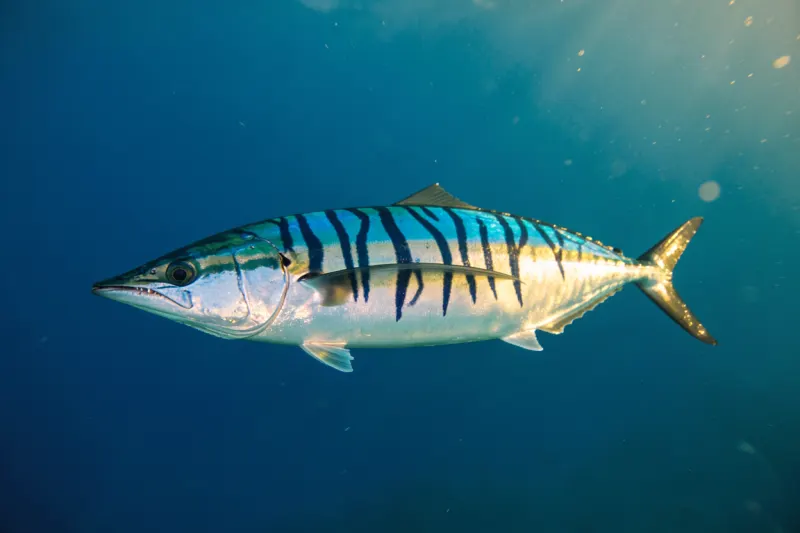
The body is long, slim and nearly round in cross-section, like a torpedo. The head ends in a long, pointed, beak-like snout, and the mouth is lined with sharp, flat, triangular teeth that overlap like a saw. There's no bill or spear. The back is an iridescent electric blue fading to silver below, crossed by about 2 dozen thin, dark blue vertical bars that are brightest on a live or freshly caught fish. The first dorsal fin is long and low, running from just behind the head most of the way along the back, and a row of small finlets leads to a narrow, crescent tail.
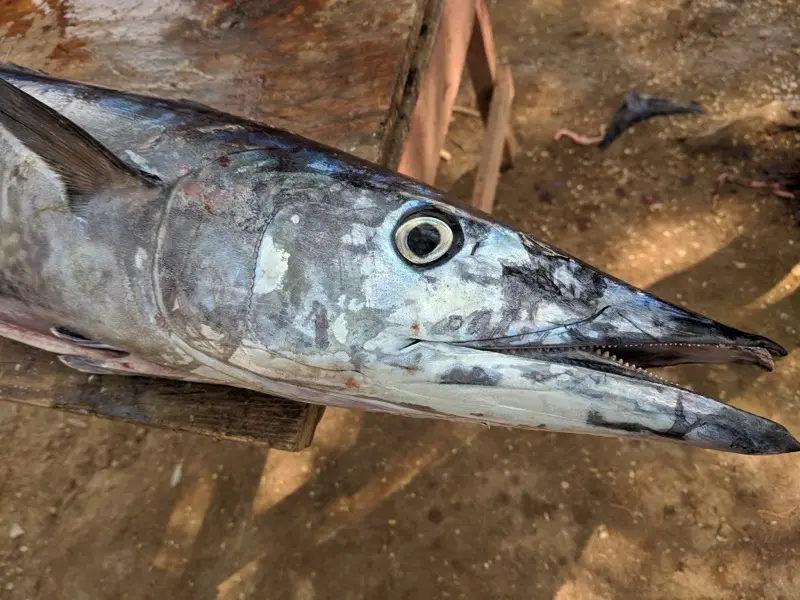
FishBase gives a maximum of 250 cm and 83 kg. Most Costa Rican wahoo are much smaller: Crocodile Bay, in the far south, says its fish average 30 to 40 lb.
Wahoo, sierra or king mackerel?
Three toothy, striped or spotted fish get mixed up on Costa Rican boats.
| Fish | Spanish | Where | Key marks |
|---|---|---|---|
| Wahoo | wahoo, peto | Pacific, offshore and around islands | Long low first dorsal fin, thin blue vertical bars, big (often 30 lb and up) |
| Pacific sierra | sierra | Pacific beaches, points and bays | Rows of orange-brown spots, no bars, shorter first dorsal fin, usually a few pounds |
| King mackerel | carite | Caribbean, nearshore | Plain silver-grey sides, shorter first dorsal fin, lateral line that dips sharply |
The fastest test is the first dorsal fin: a wahoo's runs much of the length of its back, while a sierra's or king mackerel's is much shorter. Sierra are an inshore fish caught on small spoons and plugs along the beaches, and they're good eating too. Our species guide's section on names that get mixed up has more.
How it lives and eats
Wahoo live in warm, clear ocean water around the world. FishBase describes them as often solitary or in small, loose groups rather than big schools, which is why you rarely catch more than a few. They eat fish and squid, slashing through bait schools at high speed, and that hunting style is why they hit fast-trolled lures so hard.
Their famous first run comes from the same build. A hooked wahoo can strip a lot of line in the first few seconds, and any slack after that run gives the hook a chance to fall out.
Where and when, zone by zone
Our seasons chart has one wahoo row for the whole Pacific: best from May to August, good in every other month. The table shows how each zone fits it, with what local crews report.
| Zone | Our chart | What crews report | Where to look |
|---|---|---|---|
| Guanacaste | Best May to August, good the rest of the year | Tuna and wahoo at their best in June and July, in calm seas after the Papagayo winds | Offshore islands, pinnacles and drop-offs |
| Nicoya Peninsula | Best May to August, good the rest of the year | Offshore days from Sámara and the southern tip | Drop-offs and floating debris |
| Central Pacific | Best May to August, good the rest of the year | Adventure Tours (Los Sueños): all year, highest numbers May to August | Seamounts, current edges, FADs |
| Southern Pacific | Best May to August, good the rest of the year | Crocodile Bay: year round in small numbers, more inshore bites in September | The shelf edge and the rocks of the Osa |
| Caribbean | Not on our chart | On very calm days, boats from the northern lodges run offshore for tuna, sailfish and wahoo | Offshore beyond the river-mouth bars |
On the Caribbean side, Silver King Lodge lists offshore wahoo among its fish, though tarpon are why people go there.
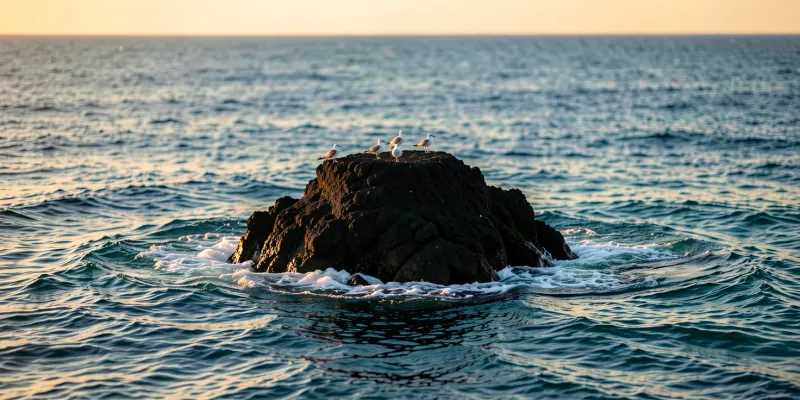
Keep in mind that the islands that look best for wahoo are often closed. Fishing is banned inside national parks and biological reserves, including Isla del Coco and Isla del Caño, however good the water around them looks; see our guide to Costa Rica's no-take zones.
How crews fish for them
High-speed trolling
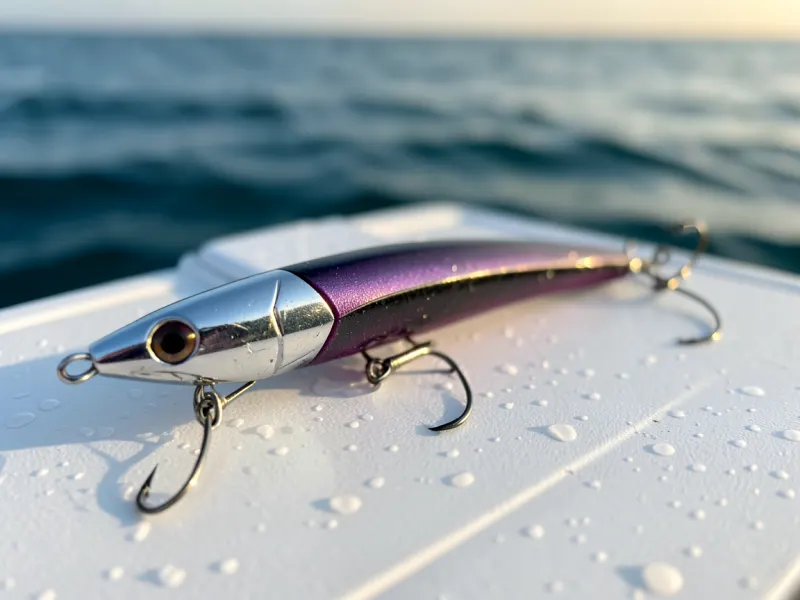
When wahoo are the target, crews troll fast, well above normal billfish speed, with heavy-headed lures or diving plugs that hold in the water at that pace. They work drop-offs, pinnacles, seamounts and current edges, and the speed lets a boat cover a lot of ground looking for a scattered fish.
By accident, on other days
Many Costa Rican wahoo are caught on rigged ballyhoo, live bait or lures meant for sailfish, tuna or dorado. They're a bonus that turns up on a lot of offshore days, especially around floating logs.
Wire, and why
Those teeth slice monofilament like thread, so crews use a short wire leader when wahoo are the target. On a sailfish spread with mono leaders, many wahoo bite through and are gone, which is half their reputation. Medium tackle in the 30 to 50 lb class handles most fish. More on lures and rigs in our fishing techniques guide.
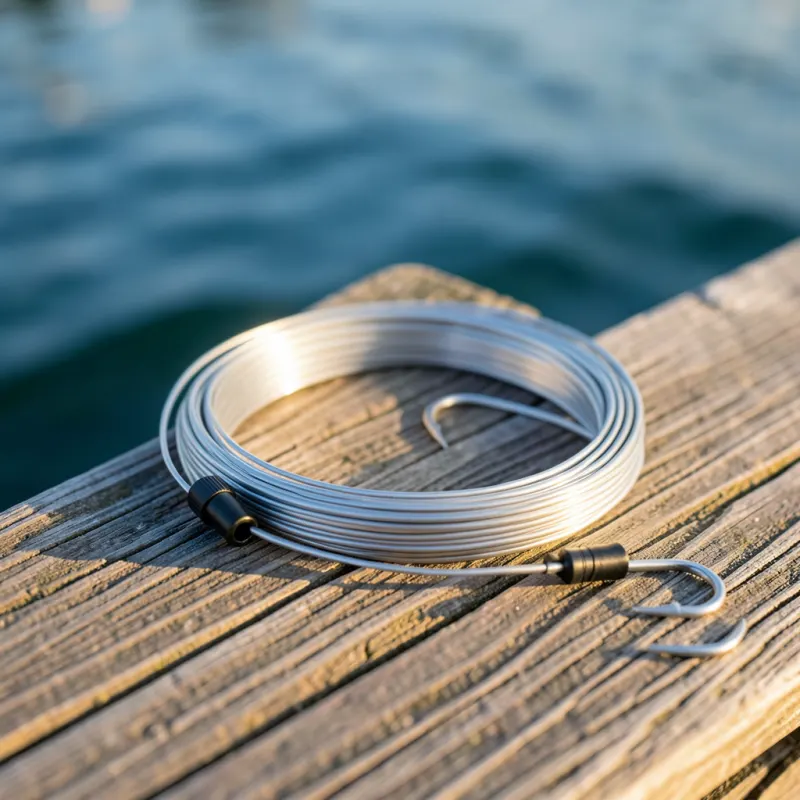
Landing one safely
A wahoo is still dangerous on deck. Crews keep hands well away from the mouth, use pliers or a dehooker for the hook, and often get the fish straight into the cooler. Let them do it.
Released or kept, and the law
Wahoo aren't a catch-and-release species in Costa Rica. The fisheries regulation (Decreto 36782, article 68) lets sport boats land 5 fish per trip for their own use or mounting, and selling a sport catch is banned. We found no national minimum size for wahoo. Everyone fishing from a boat needs an INCOPESCA sport fishing licence (Ley 8436, article 75), sold for 8 days, a month or a year, and many charters arrange it; see how to get your licence.
The record
The IGFA all-tackle world record wahoo weighed 184 lb. Sara Hayward, then 15, caught it off Cabo San Lucas, Mexico, in July 2005, on the same eastern Pacific coast as Costa Rica. There's no Costa Rican wahoo record of note.
How it eats
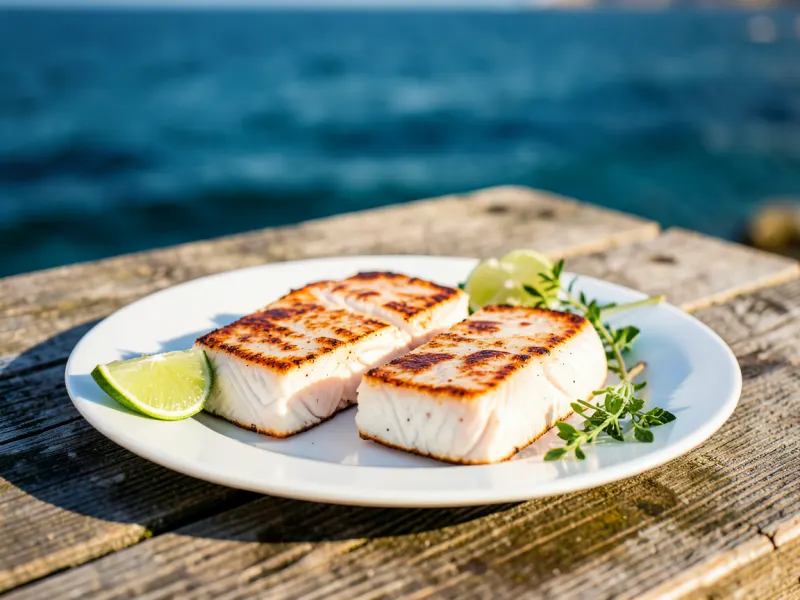
Wahoo is one of the best-eating fish in the sea: firm, white and mild, excellent raw as sashimi, seared, or grilled as steaks. It's very lean, so cook it fast and don't let it dry out. Bleed it and ice it soon after it's landed. Many crews will fillet your fish at the dock, and in fishing towns some restaurants will cook what you bring in; ask your captain how it works locally. If you're choosing dinner fish, our pages on dorado and yellowfin tuna cover the other two favourites.
Frequently asked questions
When is the best time to catch wahoo in Costa Rica?
They're around all year in small numbers, and the best months are about May to August. In the south, Crocodile Bay notes more inshore bites in September.
Where are wahoo caught in Costa Rica?
Offshore on the Pacific coast, especially near islands, pinnacles, seamounts, drop-offs and floating debris, but never inside national parks such as Isla del Coco and Isla del Caño.
Can I keep a wahoo?
Yes. Wahoo aren't catch and release, and up to 5 fish per trip may be landed for your own use. They can't be sold.
How do I tell a wahoo from a sierra?
A wahoo has a long, low first dorsal fin, thin blue vertical bars and lives offshore. A sierra has orange-brown spots, a short first dorsal fin and lives along the beaches.
Why do wahoo cut so many lines?
Their teeth are sharp enough to slice through monofilament. Crews use wire leaders when they're targeting wahoo for that reason.
Charters and places in this guide

Puerto Jiménez · fishing lodgeCrocodile Bay ResortCrocodile Bay is a sportfishing operation and marina in Puerto Jiménez, on the Osa Peninsula side of the Golfo Dulce, running…
Barra del Colorado · fishing lodgeSilver King LodgeSilver King Lodge is an all-inclusive fishing lodge on the Río Colorado, inside the Barra del Colorado Wildlife Refuge on Costa…Where this comes from
- Acanthocybium solandri species summary (FishBase)
- Scomberomorus sierra species summary (FishBase)
- Fishing seasons by species (Crocodile Bay Resort)
- Costa Rica fish species and best months (Adventure Tours Costa Rica)
- Huge 184-pound wahoo sets world record at Cabo San Lucas (Mexfish, 2005)
- Top 100 world records (Sport Fishing)
- Reglamento a la Ley de Pesca y Acuicultura, Decreto 36782 (INCOPESCA)
- Ley de Pesca y Acuicultura N.º 8436 (INCOPESCA)
- Best practices guide for tourist and sport fishing in Costa Rica (MarViva, 2023)


