
Dorado (Mahi-Mahi) in Costa Rica
Dorado, also called mahi-mahi or dolphinfish, are caught offshore along Costa Rica's whole Pacific coast, best from about July to December when the rains wash logs and weed out to sea. They're one of the best fish you can keep, within 5 fish per trip, and the all-tackle world record, 87 lb, came from the Gulf of Papagayo in 1976.
At a glance
- Names
- dorado (Spanish and on the boat), mahi-mahi (menus), dolphinfish (record books); Coryphaena hippurus
- Size
- up to about 2 m and 40 kg (FishBase); most are about 1 m
- Best months
- about July to December, good the rest of the year
- Where
- Pacific offshore, under floating logs, weed lines and debris
- Tell it apart
- dorsal fin from head to tail, forked tail, blue-green and gold; bulls have a square forehead
- Keep or release
- you may keep it within 5 fish per trip; release fish under 80 cm
- All-tackle record
- 87 lb, Gulf of Papagayo, Costa Rica, 1976 (IGFA)
- Licence
- INCOPESCA sport fishing licence for everyone fishing from a boat
Part of our complete guide: Costa Rica Fish Species: The Complete Guide
The short answer
Dorado are the fish that fill the cooler on a Costa Rican offshore day. They're caught along the whole Pacific coast, they gather under anything that floats, and they're among the best eating fish in the sea. The best months are about July to December, when the rainy season washes logs, branches and weed out of the rivers and the dorado follow them. You can catch them in any month, though, and they often show up on sailfish and marlin trips.
They're also one of the few big offshore fish you're allowed to keep, within the limit of 5 fish per trip. This page covers the 3 names, bulls and cows, where and when each zone fishes best, how crews find and catch them, the rules, the world record (caught right here) and the eating. For every other fish, see our complete guide to Costa Rica's fish species.
One fish, 3 names
On the boat and on the dock it's dorado, "the golden one". Restaurants call it mahi-mahi, the Hawaiian name, and the record books call it dolphinfish, an old sailors' name that has nothing to do with dolphins. The scientific name is Coryphaena hippurus. Whatever you call it, it's the same fish.
How to tell a dorado
MarViva's guide to Costa Rica's sport fish gives the marks: a flat, tall body, a dorsal fin that runs from just behind the head almost to the tail, a matching anal fin underneath, a deeply forked tail with no keels, and colours that look painted on, bright blue-green on the back fading to golden yellow on the belly, scattered with small blue-green and black spots. Those colours flash and change while the fish is fighting and fade fast once it's out of the water.
Bulls and cows
Adult males, called bulls, grow a tall, square forehead that rises almost straight up from the mouth. Females, called cows, have a rounded, sloping head. Bulls are usually the biggest fish in a school.
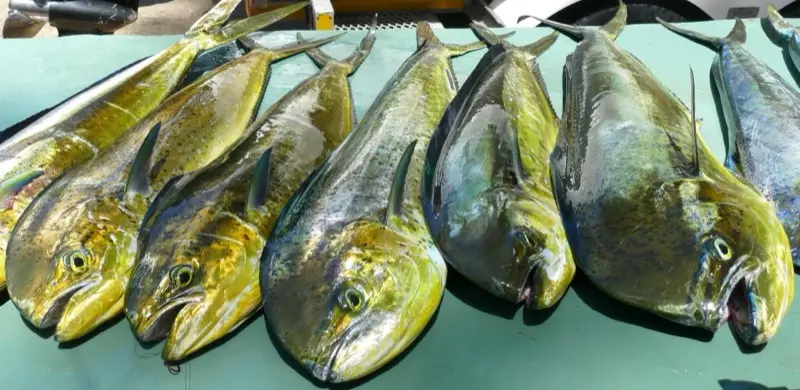
A smaller cousin, the pompano dolphinfish (Coryphaena equiselis), lives in the same water. It has a deeper body for its length and rarely grows big, so if your "dorado" is short and chunky, that may be what you've got. Both are kept the same way.
How it lives and eats
Dorado live fast. FishBase lists a maximum age of about 4 years, a maximum length of about 2 m and a weight of about 40 kg, and MarViva puts the common size at about 1 m and the size at first breeding at about 80 cm. They grow very quickly and spawn often in warm water, which is why they stand up to fishing pressure better than slow-growing billfish.
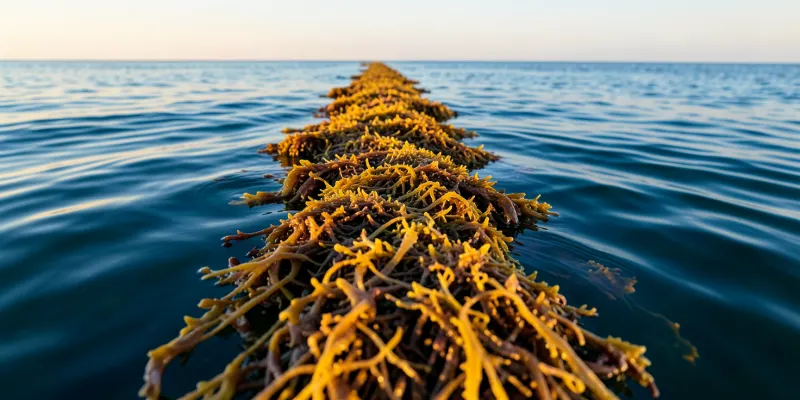
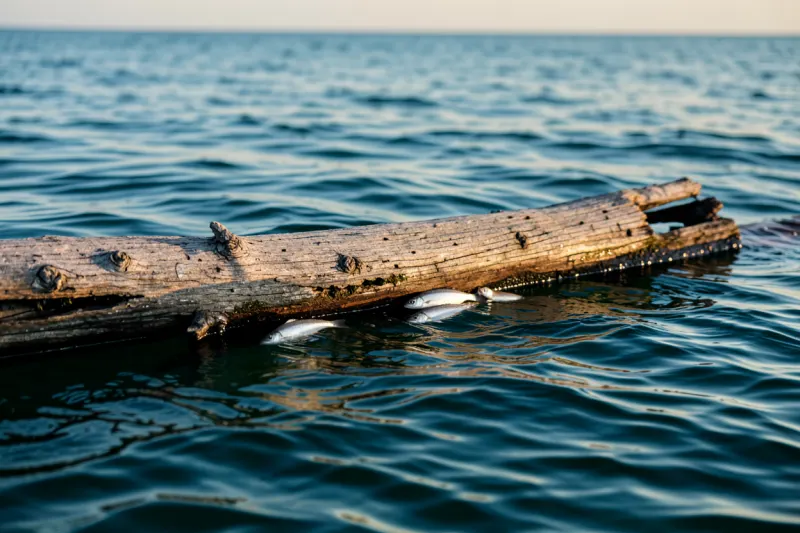
They hunt near the surface, mostly within the top 85 m, eating small fish, squid and crustaceans. Their habit of gathering under floating objects is the key to everything: a log or a raft of weed shelters small fish and crabs, and dorado hang around to eat them. MarViva notes that dorado are found on both of Costa Rica's coasts, and they also travel with sailfish, which is why they turn up so often on billfish days.
Where and when, zone by zone
Our seasons chart has one dorado row for the whole Pacific: best from July to December, good from January to June. The table shows how each zone fits it, with what local crews and fisheries data report.
| Zone | Our chart | What crews report | Main ports |
|---|---|---|---|
| Guanacaste | Best July to December, good the rest of the year | Dorado in their best stretch from July to November in the calm green season, with October often the top month | Flamingo, Papagayo, Tamarindo |
| Nicoya Peninsula | Best July to December, good the rest of the year | Offshore dorado from the northern beaches and the southern tip in the rainy months | Sámara, Tambor, Montezuma |
| Central Pacific | Best July to December, good the rest of the year | Adventure Tours (Los Sueños): strongest from late May to November | Los Sueños, Quepos |
| Southern Pacific | Best July to December, good the rest of the year | Crocodile Bay: prime in July, in numbers from October, best runs November and December, fish of 50 to 60 lb in January | Puerto Jiménez, Golfito, Zancudo |
| Caribbean | Not on our chart | Dorado live offshore on this coast too, but they're an occasional catch, not a target | Limón |
The sources don't agree exactly, which is normal for a fish that follows floating debris rather than a calendar. MarViva's commercial data shows the biggest catches in Costa Rican waters from October to February, and FishingBooker's month-by-month guide puts the sport peak from May to September. The overlap, about July to December, is what our chart uses. In the south, Crocodile Bay describes November as a mixed bag of dorado, marlin and big tuna. For the wettest months on the Southern Pacific, check whether your lodge is open: some close for part of September to November.
How crews fish for them
Finding the fish
Dorado fishing is a treasure hunt. The captain runs at trolling speed looking for anything on the surface: a drifting log, a palm frond, a weed line, a lost buoy, a patch of debris where two currents meet. Frigatebirds circling low over one spot often mean dorado below. When the crew finds a log holding fish, the whole day can change in a minute.
Trolling
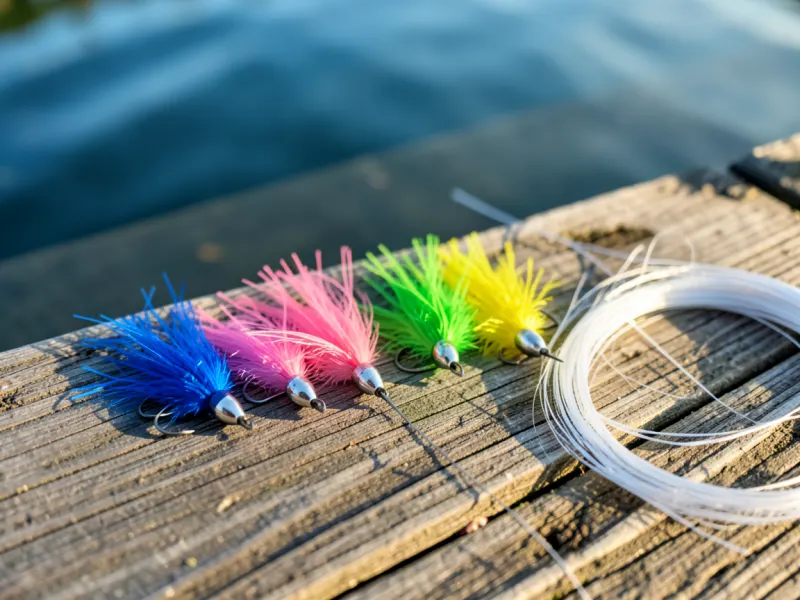
The usual method is trolling small to medium lures, feathers or rigged ballyhoo at a fairly quick speed along weed lines and past floating objects. Dorado are aggressive, and a school will often chase a lure right to the boat.
Keeping the school close
Once one fish is hooked, many crews leave it in the water near the boat. The rest of the school stays with it, and everyone else casts lures, pitches baits or drops a fly to them. A good log can give fish after fish this way, so keep count and stop when you have what you'll eat.
Tackle
Light tackle is plenty for most school fish: 15 to 30 lb class spinning or conventional gear, and dorado are a favourite on fly. A hooked dorado jumps, cartwheels and runs, and a big bull can thrash hard once it's on deck, so the crew will usually handle it. More in our fishing techniques guide.
Released or kept, and the law
Dorado aren't a catch-and-release species in Costa Rica, so you can keep some to eat. The fisheries regulation (Decreto 36782, article 68) allows 5 fish per trip to be landed for your own use or mounting, and bans selling any sport catch. INCOPESCA's legal first-capture size for dorado is 80 cm (agreement AJDIP/026-2018), which matches the size at which they first breed. It's a commercial rule, but releasing the smaller fish is a good habit.
Dorado matter commercially too: INCOPESCA's 2026 report to the Inter-American Tropical Tuna Commission describes dorado as a main catch of Costa Rica's longline fleet. Everyone fishing from a boat needs an INCOPESCA sport fishing licence (Ley 8436, article 75), sold for 8 days, a month or a year, and many charters arrange it.
The world record came from Costa Rica
The IGFA all-tackle world record dolphinfish weighed 87 lb (about 39.5 kg). Manuel Salazar caught it in the Gulf of Papagayo, Guanacaste, in September 1976, trolling a plastic squid, and it still stands. Big bulls are still caught here every year; see our Guanacaste fishing guide for the northern fleet, and our tournaments guide for the events that score dorado alongside billfish.
How it eats
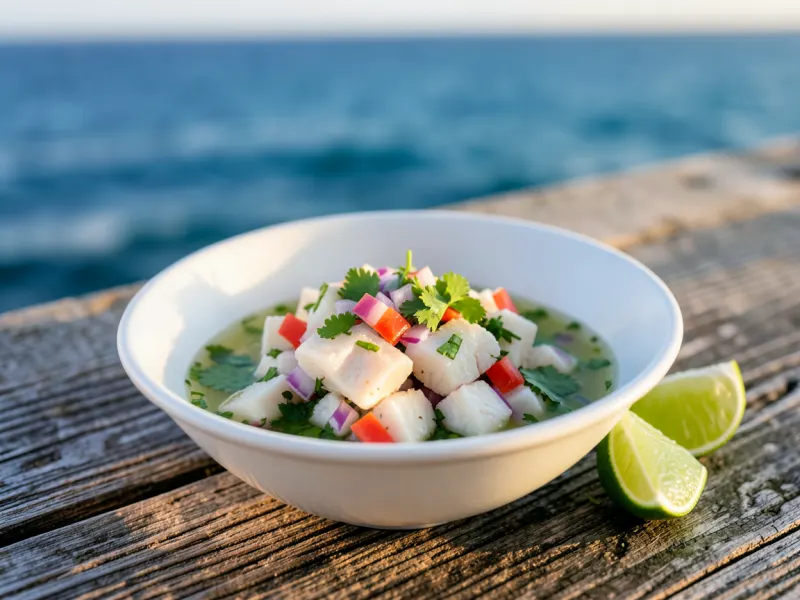
Dorado is one of the best fish in the ocean for the table: firm, white, mild and moist. It's lovely grilled with lime, in fish tacos, and in ceviche, Costa Rica's favourite way with fresh fish. Bleed it and get it on ice quickly for the best quality. Many crews will fillet your catch at the dock, and in fishing towns some restaurants will cook what you bring in; ask your captain or lodge how it works locally.
Frequently asked questions
Is mahi-mahi the same as dorado?
Yes. Mahi-mahi, dorado and dolphinfish are all names for Coryphaena hippurus. It isn't related to dolphins.
When are dorado most common in Costa Rica?
About July to December, when rainy-season debris concentrates them offshore. Commercial catches peak from October to February, and dorado are caught in every month.
Can I keep a dorado on a Costa Rica charter?
Yes. Dorado aren't catch and release, and up to 5 fish per trip may be landed for your own use. You can't sell them, and fish under 80 cm are best released.
What's the difference between a bull and a cow dorado?
Bulls (males) have a tall, square forehead; cows (females) have a rounded head. Bulls are usually the bigger fish.
How big do dorado get in Costa Rica?
Most are about 1 m, but Costa Rica produced the 87 lb all-tackle world record in 1976, so big bulls are possible.
Charters and places in this guide

Where this comes from
- Coryphaena hippurus species summary (FishBase)
- Best practices guide for tourist and sport fishing in Costa Rica, dorado profile (MarViva, 2023)
- A near-world record dolphin, citing the 1976 Costa Rica all-tackle record (Sport Fishing)
- The 50 biggest fish ever landed with a rod and reel, dolphin record details (Field and Stream)
- Reglamento a la Ley de Pesca y Acuicultura, Decreto 36782 (INCOPESCA)
- Acuerdo AJDIP/026-2018, legal first-capture sizes (INCOPESCA, via FAOLEX)
- Pesquería de dorado en la flota palangrera costarricense (INCOPESCA presentation to the IATTC, 2026)
- Fishing seasons by species (Crocodile Bay Resort)
- Costa Rica fish species and best months (Adventure Tours Costa Rica)
- Costa Rica fishing seasons (FishingBooker)
- Ley de Pesca y Acuicultura N.º 8436 (INCOPESCA)


