
Freshwater fishing in Costa Rica
The complete guide
Costa Rica's best freshwater fishing is guapote (rainbow bass) on Lake Arenal, tarpon, snook and gar in the Caño Negro lagoons and the Río Frío, and small wild rainbow trout in the cold streams around San Gerardo de Dota. Most of it needs a guide and a boat, inland waters come under wildlife law as well as fishing law, and the refuges set their own permits and closed months.
At a glance
- Main areas
- Lake Arenal, Caño Negro and the Río Frío, San Gerardo de Dota and the Savegre, the northern machaca rivers
- Main fish
- Guapote (rainbow bass), machaca, tarpon, snook, tropical gar, rainbow trout
- Boats leave from
- El Castillo and Nuevo Arenal (Lake Arenal), lodge docks in Caño Negro village
- Trout
- Introduced; wild fish in highland streams plus stocked farm ponds near San José and along the Pan-American Highway
- Rules
- Inland waters fall under the Wildlife Conservation Law (SINAC) as well as INCOPESCA; refuges issue their own permits
- No fishing
- inside national parks, such as Los Quetzales next to San Gerardo de Dota
- Nearest airports
- San José (SJO) and Liberia (LIR); SANSA flies to La Fortuna
- Drive times from San José
- about 2.5 hours to La Fortuna or San Gerardo de Dota, about 4 hours to Caño Negro
- Businesses in this guide
- 8 guides, outfitters and lodges, plus 17 tackle shops
The short answer
Costa Rica is famous for sailfish and marlin, but some of its most relaxed fishing happens far from the sea. The headline freshwater trips are guapote (the fish visitors call rainbow bass) on Lake Arenal below the volcano, big resident tarpon and prehistoric-looking gar in the lagoons of Caño Negro on the Nicaraguan border, and small, wild rainbow trout in the cold mountain streams around San Gerardo de Dota, a couple of hours south of San José.
Add the machaca, a leaping, fruit-eating cousin of the piranha that lives in the northern rivers, and a handful of trout farms where kids can catch dinner in an afternoon, and you've got a freshwater menu that fits neatly between volcano hikes and hot springs. Almost all of it is done with a local guide, usually from a small boat or a kayak, and almost all of it is catch and release, except at the trout farms.
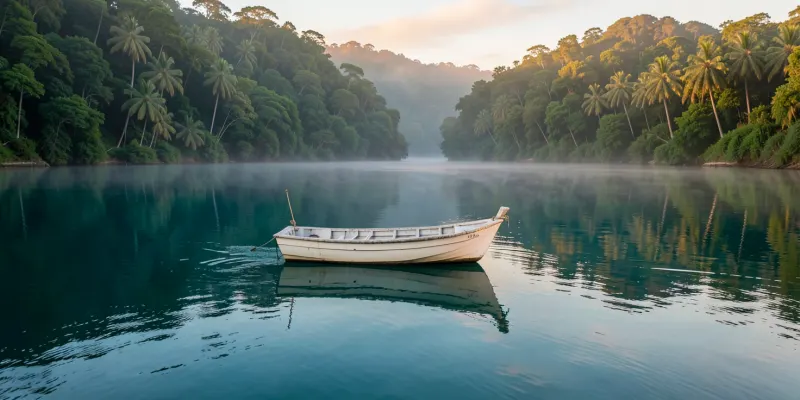
Two things make fresh water different from the coast. First, rivers, lakes and lagoons come under Costa Rica's Wildlife Conservation Law and SINAC (the national parks and conservation agency) as well as under INCOPESCA, the fisheries institute that sells the sea licence, so the rules depend on exactly where you fish. Second, the seasons here are about rain and water level rather than ocean currents: lagoons shrink in the dry months, rivers turn brown after storms, and a refuge can close to fishing for part of the year. This guide covers each area, who to fish with, the rules, the gear shops and how to get there. For the saltwater side of the same trip, see our Caribbean coast guide and Guanacaste guide.
Loading the map…
- Charters
- Marinas
- Lodges
- Fishing towns
- No fishing
- Fish
Where to fish: the main freshwater areas
| Area | Main fish | How you fish | Nearest base |
|---|---|---|---|
| Lake Arenal | Guapote (rainbow bass), machaca, tilapia | Guided bass boat, pontoon or kayak | La Fortuna, El Castillo, Nuevo Arenal |
| Caño Negro and the Río Frío | Tarpon, snook, guapote, tropical gar | Lodge panga in the refuge lagoons and river | Caño Negro village (Los Chiles) |
| San Gerardo de Dota and the Savegre | Wild rainbow trout | Wading with a fly or light spinning rod | San Gerardo de Dota |
| Trout farms near San José | Stocked rainbow trout | Pond fishing, pay by weight, cook on site | Cerro de la Muerte, Poás and other highland towns |
| Northern and Guanacaste rivers | Machaca, guapote | Fly or light spin, wading or rafting | La Fortuna, Sarapiquí, Cañas |
Lake Arenal
Lake Arenal is the largest lake in Costa Rica, about 85 square kilometres, and it's really a reservoir: the Sangregado Dam at its southeastern end, finished in 1979, roughly tripled the old natural lake to feed the country's hydroelectric grid. It's up to about 100 metres deep, its level rises and falls with the seasons, and Arenal Volcano rises straight out of its eastern shore. The drowned forest, rocky points and weed beds left by the flooding are where the fish live.
The fish everyone comes for is the guapote, a big, aggressive cichlid that guides sell as rainbow bass. Most fish caught are 1 to 5 pounds, but the lake has produced much bigger ones: The Tico Times reported a 12.5-pound guapote trolled deep off the southwest shore in 2006, and a fish over 10 pounds off Snake Island the year before. Arenal guides also list jaguar guapote, machaca and tilapia among their catches. Fishing is best early, along the shallow edges, before the sun pushes the fish deeper.
Boats work from two main spots: the dock at El Castillo, on the volcano side near La Fortuna, and the municipal ramp at Nuevo Arenal on the north shore, about an hour's drive from La Fortuna. The western end is the windy end; from about November to April it's steady enough to draw windsurfers and kitesurfers, so guides often tuck into the sheltered arms on breezy afternoons.
Caño Negro and the Río Frío
The Caño Negro National Wildlife Refuge covers about 102 square kilometres of wetland in the far north, mostly in the canton of Los Chiles, close to the Nicaraguan border. It's a Ramsar wetland of international importance (since 1991), run by SINAC, and it sits in the lower basin of the Río Frío, which fills its main lagoon in the rainy season. At full size the lagoon spreads over about 800 hectares; from roughly January to April it breaks up into a string of smaller lakes, channels and mud banks, which concentrates the fish and the birds.
The surprise here is tarpon. These are Atlantic fish, but they swim up the San Juan River system from the Caribbean and live in the Caño Negro lagoons all year; the Costa Rica Tourism Institute points out that it's one of the few places you'll hook a tarpon in fresh water so far from the sea. The local lodge sells tarpon in the 50 to 60-pound class and up, released after the fight. Snook, guapote and alligator gar (the tropical gar, a long, armoured fish with a narrow toothy snout) round out the list, and the gar is one reason birders and anglers share the same boats.
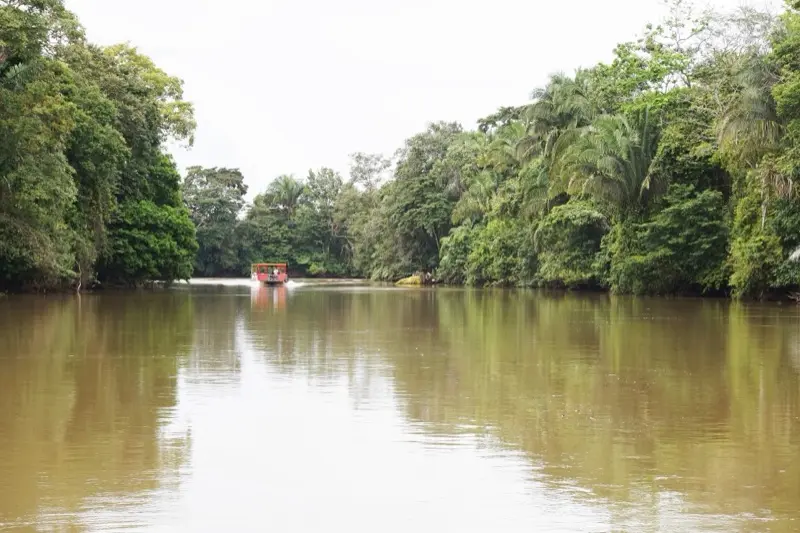
Fishing inside the refuge is allowed with a permit and only with rod and line; nets are illegal, and SINAC rangers do patrol (CRHoy filmed a pair being caught with a banned net). The refuge also closes to fishing for part of the year, which is covered in the rules section below.
San Gerardo de Dota and the Savegre
San Gerardo de Dota is a narrow valley at about 2,200 metres in the Talamanca mountains, 87 kilometres southeast of San José, where the clear, cold Río Savegre tumbles down through oak cloud forest. Trout aren't native to Costa Rica. The government imported tens of thousands of rainbow trout eggs from the 1950s on, but the remote Savegre wasn't on the list; according to The Tico Times, one of the valley's founding farmers, Efraín Chacón, released 100 fingerlings there himself in 1966, and three years later saw a big trout while walking his cows. Sport fishing brought the first visitors to the valley in the 1970s.
The trout shrank as they ate out their own food supply, and today's wild fish are small, pretty, stream-bred rainbows. A fly-fishing guest in January 2026 described exactly that: lots of small wild fish on a river near the lodges. Fishing here means wading a pocket-water stream with a light fly rod or an ultralight spinning rod, and it's as much about the setting (quetzals, oak forest, cold mornings) as the size of the catch. Todd Staley of FECOP, the sport fishing federation, notes that wild trout live in almost every creek in the Cerro de la Muerte mountains, the range between Cartago and the Pacific side, not just the Savegre.
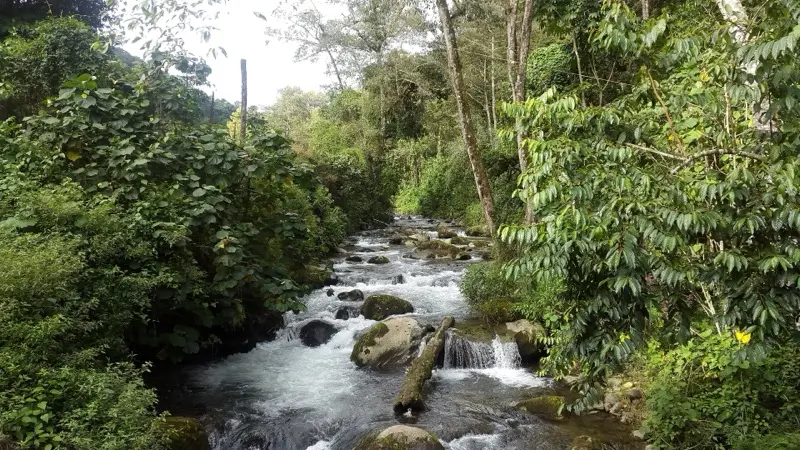
The upper valley borders Los Quetzales National Park, and fishing isn't allowed inside national parks, so check with your guide or hotel which stretches are open.
Trout farms and fishing ponds near San José
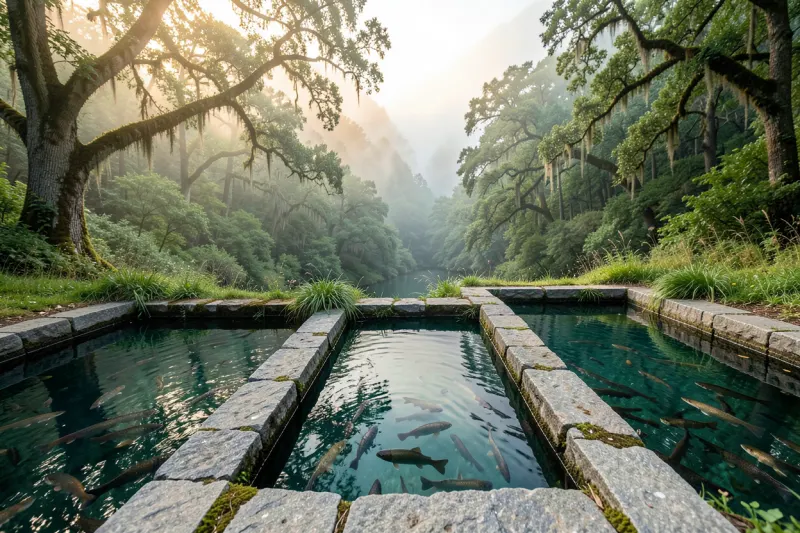
If you've got kids, a short day or a non-angling partner, a trout farm is the easy option. Along the Pan-American Highway over the Cerro de la Muerte, hatcheries let you fish their stocked ponds and charge you by the weight of what you take home, and many will clean the fish or cook it for you. San Gerardo de Dota itself is a trout-farming village, and its farms supply restaurants in San José, Puntarenas and Sarapiquí.
Closer to the city, highland farms in Alajuela and Cartago do the same; in June 2026 Teletica featured an eco-farm in Sabana Redonda de Poás where trout fishing is the main draw. These are put-and-take ponds, not wild fishing, but they're a fun, sure-fire hour, and you'll eat very well afterwards.
Machaca and the rivers of the north
Machaca is the name Costa Ricans use for a few closely related Brycon fish. The one in the Caribbean-slope rivers is a silvery, big-scaled fish of up to about 4 kilograms that eats insects, fruit and seeds as an adult, and it jumps like a small tarpon when hooked. Staley calls it a relative of the South American piranha, and its habit of rising to fallen fruit makes it a favourite fly-rod fish.
Outfitters fish for machaca in the rivers around San Carlos and La Fortuna, in the Sarapiquí, in the lagoons and rivers of Los Chiles and along the Caribbean side, and in Guanacaste's Tenorio and Corobicí, where one guide service says the best months are January to April, when fruit and flower petals drop into the water. Guapote share many of the same rivers. Much of this fishing is wading or floating on a raft with a guide, because public access to the banks is patchy and most land along the rivers is private.
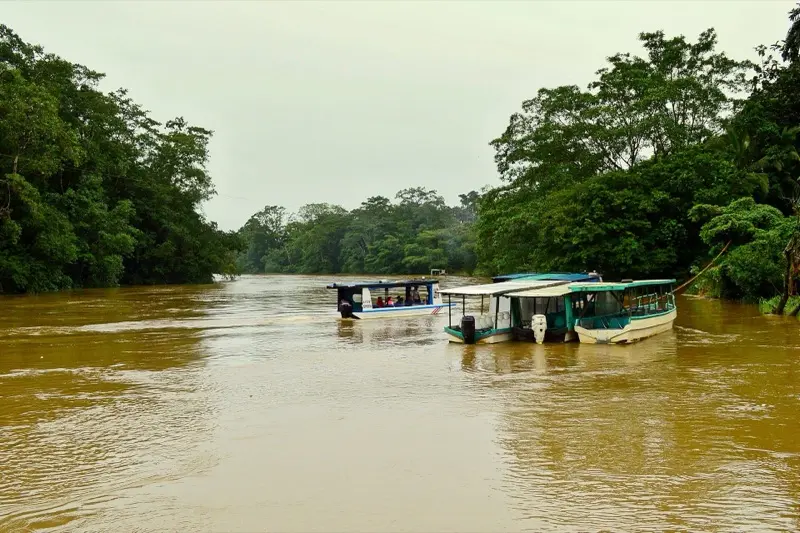
Docks, launches and boat ramps
There's no freshwater marina in Costa Rica. Guides trailer their boats or keep them at a few small landings:
- El Castillo, Lake Arenal. The village dock and the Paradero Lacustre El Castillo, on the volcano side of the lake, are the closest launch to La Fortuna. Osprey Fishing Tours leaves from the fishing dock here, and the Festival del Guapote is held at the Paradero.
- Nuevo Arenal municipal ramp. On the north shore, about an hour from La Fortuna. According to a travel guide updated in 2025, most charters leave from here, and boats that meet you nearer the dam usually charge more for the long run.
- Near the Arenal dam. Some guides will pick up near the Sangregado Dam end of the lake, the closest point to La Fortuna by road.
- Caño Negro village. The lodges keep their own pangas on the lagoon; Hotel de Campo's boats go straight from the lodge into the refuge. Depending on water level, guides also run up and down the Río Frío.
- Trout streams. No boats; you walk in from the road or your lodge with a guide.
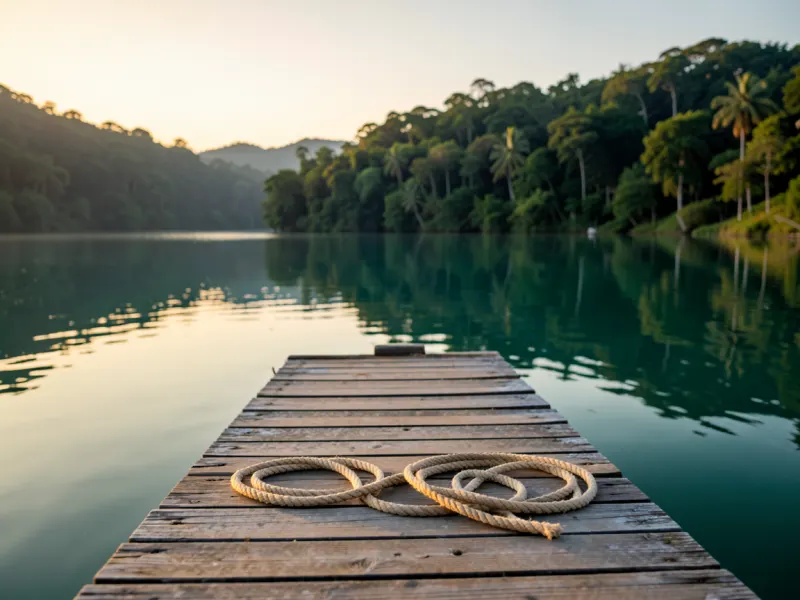
Kayak trips on Arenal start from the shore, with the company bringing the kayaks and the transport from La Fortuna.
Best freshwater outfitters
How we chose: only on evidence we could check this month (a working website or booking page, recent dated reviews, years in business, boat and gear details, and release practice). Nobody pays to be listed here, and the full list of every business we found is further down.
- Arenal Lake Fishing with Salomón, El Castillo. Captain Gohering Salomón Rodríguez fishes guapote, machaca and tilapia from a 2025 16-foot Lowe aluminium boat with a 40-horsepower Mercury, for up to 3 anglers, and the fishing licence is included. 29 reviews on FishingBooker, the newest for a trip on 2026-Oct-04. The listing lists 7 years of experience.
- Osprey Fishing Tours, El Castillo. Captain Bryan Rodríguez (10 years on his profile) runs an 18-foot ProCraft bass boat with a 140-horsepower Suzuki from the El Castillo fishing dock, with more boats under the same name. Guapote, jaguar guapote and machaca on conventional or fly tackle, with the licence and fly gear included and release allowed. New to the booking site in 2026, with a review for a full day on 2026-Oct-02.
- Desafío Adventure Company kayak fishing, La Fortuna. A big La Fortuna adventure company that runs a 4-hour kayak fishing trip on Lake Arenal for machaca and guapote (ages 15 to 85, minimum 2 people), with transport, a guide, fishing kayaks, safety gear, rods, poppers and tackle included. Good if you'd rather paddle than ride a bass boat.
- Hotel de Campo Caño Negro, Caño Negro. A lodge facing the refuge lagoon, 150 metres east of the village entrance, that says it's been fishing Caño Negro since 1998. Its panga-style boats go straight into the lagoons for resident tarpon (fly or spinning, strictly catch and release) and alligator gar, on day trips or 1 to 3-day packages. Its website was current in 2026.
- Fly Fish in Costa Rica, San José. Charlie Chavarría runs this fly-fishing outfitter, which says it has guided since 1972, continuing his father's work as one of the country's fly-fishing pioneers. Custom trips for wild trout in the cloud forest, machaca near La Fortuna and in Guanacaste, and jungle tarpon, all catch and release, with good fly rods and reels supplied. Tripadvisor has a review written in February 2026 for a January trout trip near San Gerardo de Dota.
- Trogón Lodge, San Gerardo de Dota. Not a guide service, but a gentle start for families: the lodge raises its own trout in ponds, and its restaurant serves them. Travel agents describe guests catching a pond trout for dinner; ask the lodge before you go.
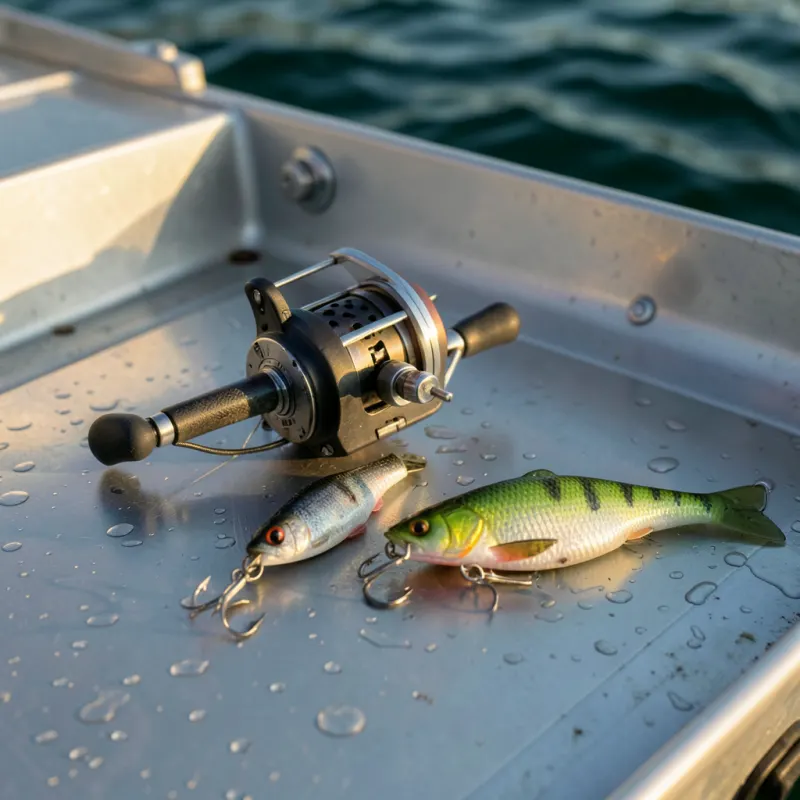
Questions worth asking any freshwater guide:
- Is the licence or refuge permit included, and who buys it?
- Where do we launch, and is pickup from my hotel included?
- Is it catch and release, and do you use barbless or circle hooks?
- Can I bring my own fly rod, and what line weight do you suggest?
- What happens if the lake's too windy or the river's blown out?
Lodges and good bases to stay
Freshwater trips are usually day trips from a hotel you'd choose anyway, but a few places put you right on the water.
- Caño Negro village. Hotel de Campo Caño Negro is the fishing lodge here, a small hotel that sells fishing packages and birding trips on the same lagoon. Natural Lodge Caño Negro is the other lodge in the village; it writes about tarpon, snook and guapote in Caño Negro and the Río Frío and can point you toward the San Juan River and Lake Nicaragua. Ask it directly what fishing it runs itself.
- La Fortuna and El Castillo. La Fortuna has every kind of hotel, and both El Castillo guides above meet anglers at the El Castillo dock. El Castillo itself is a quieter base on the lake.
- Nuevo Arenal and Tilarán. Small towns on the north and west shores, closer to the Nuevo Arenal ramp and the windy end of the lake.
- San Gerardo de Dota. Trogón Lodge raises trout in its own ponds. The Savegre Hotel, which traces its story in the valley back to 1973, sits at 2,200 metres with the Savegre running through its private reserve; its current activity list is about birding, trails and horses, so ask about fishing before you book.
For lodges on the coast where the boats leave from the dock, see our fishing lodges guide.
What's biting, month by month
There's no single freshwater season. The table pulls together what guides and official sources say for each area; local conditions (rain, wind, lake level) matter more than the calendar.
| Fish and place | Best months | Notes |
|---|---|---|
| Guapote, Lake Arenal | All year; many guides like the drier months, about January to May | Early mornings in the shallows; windy on the west end about November to April |
| Machaca, Guanacaste rivers | January to April | When fruit and flower petals fall into the water |
| Machaca, Lake Arenal and northern rivers | All year | Best on calm mornings; handle and release quickly |
| Tarpon, Caño Negro | All year (resident fish) | One lodge names March to June and October to November; the refuge's closed season limits the months you can fish |
| Gar and snook, Caño Negro and Río Frío | Through the open season | Low water from about January to April packs fish into smaller lagoons |
| Wild trout, Savegre and Cerro de la Muerte | All year | Heavy rain colours the streams; clear spells are best |
| Farm trout | All year | Ponds are stocked; any day works |
A rough plan for the year:
- January to April (dry season in most of the country): good on Arenal, the best time for machaca on the fruit drop in Guanacaste, and lagoons shrink at Caño Negro.
- May to August: rain returns; Arenal keeps fishing, rivers can rise and colour after afternoon storms, and the Caño Negro lagoons start to refill.
- September to December: the wettest months on much of the Pacific side and the highlands, so trout streams can run high. Check the refuge's open months before planning a Caño Negro trip in the transition months.
For saltwater species on the same trip, see Costa Rica fishing seasons, month by month.
The fish: guapote, machaca, tarpon, snook, gar and trout
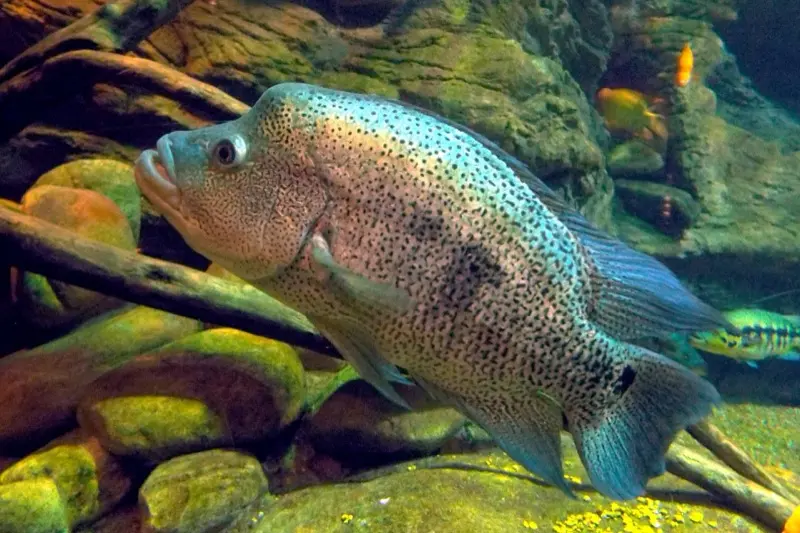
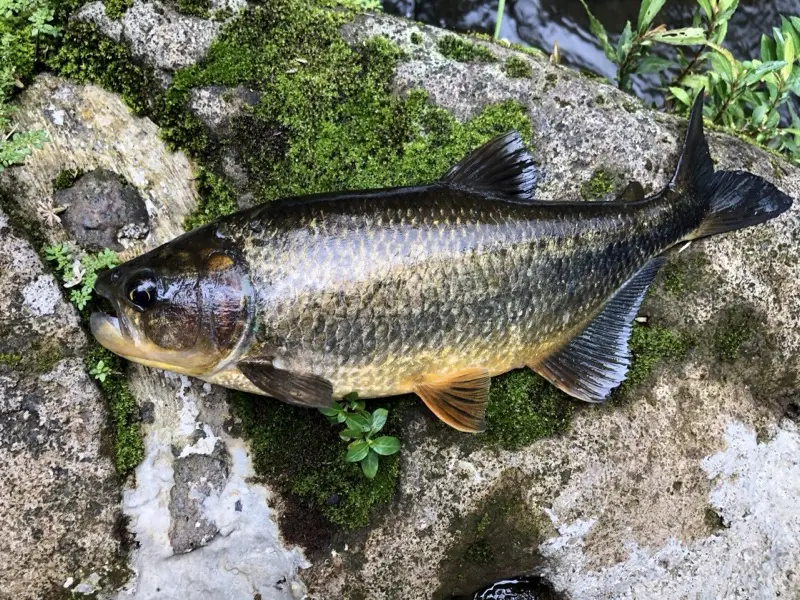
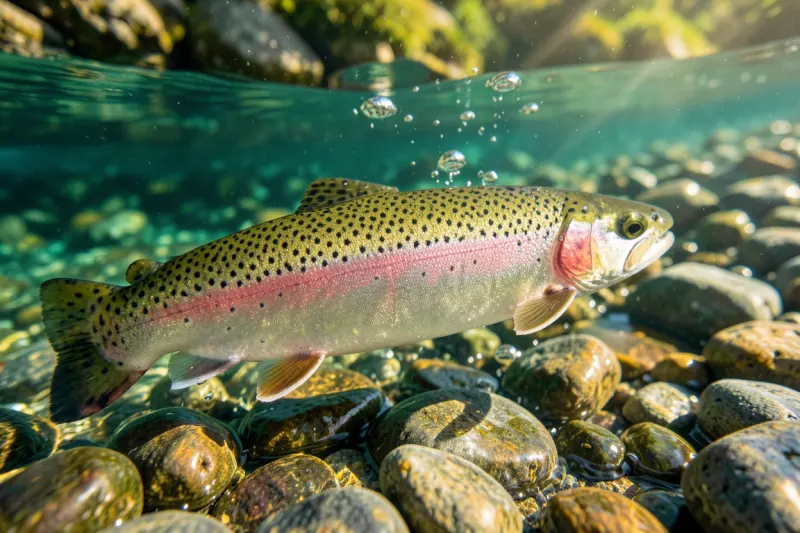
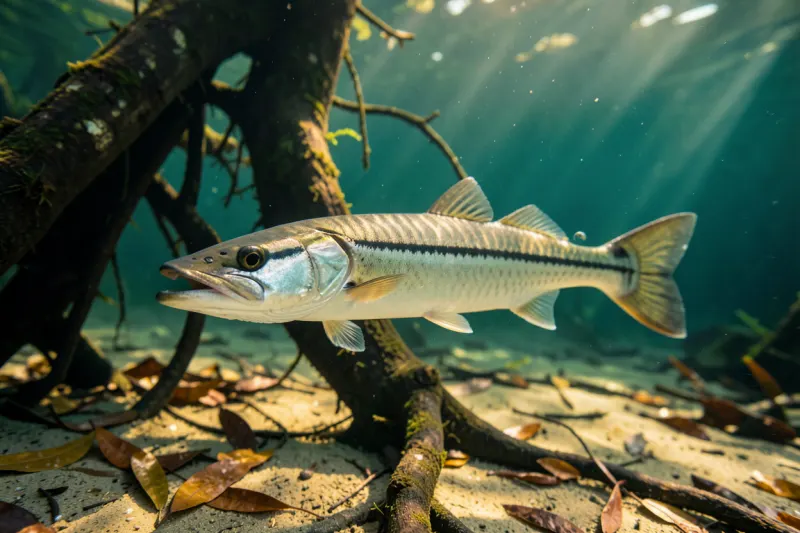
Guapote (rainbow bass)
The guapote (Parachromis dovii) is a predatory cichlid from Central American lakes and rivers, found on the Caribbean slope from Honduras south to the Moín River near Limón and on the Pacific slope down to Costa Rica's Bebedero River. FishBase lists a maximum of 72 centimetres and 6.8 kilograms. Adults eat mostly other fish, which is why they smash topwater plugs, crankbaits and streamers. They're cichlids, not true bass, but they fight like a bass with a grudge. Most guides release the bigger ones.
Machaca
A lean, silver, fast fish with big scales and a forked tail, built for current. It's mainly herbivorous as an adult, eating fruit, seeds and leaves along with insects, so flies and small lures that imitate falling fruit or bugs work well. Machaca tire quickly and don't handle well out of water, so keep them wet and let them go fast.
Tarpon
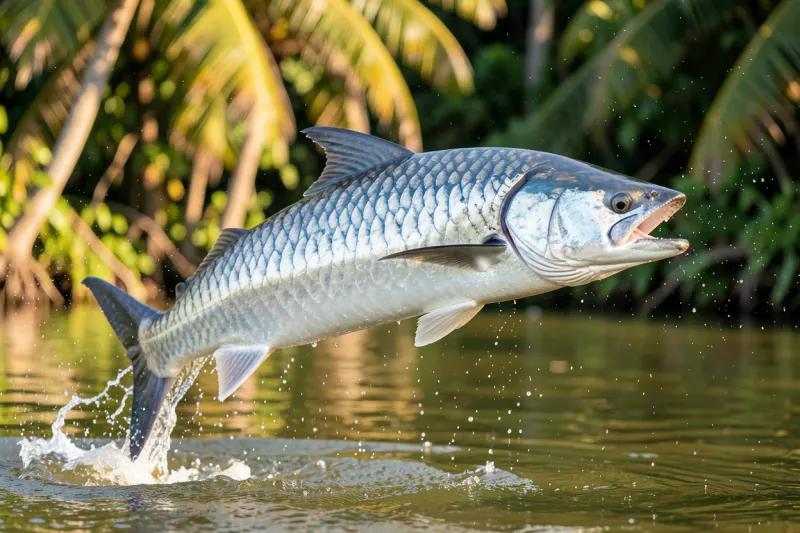
The same silver king that draws anglers to the Caribbean river mouths, living year-round in the Caño Negro lagoons and the Río Frío. They're a species of tourist-sport interest under Costa Rica's fishing law and are always released. See our full tarpon guide.
Snook
Snook (robalo) run up the northern rivers from the Caribbean side and are caught in Caño Negro and the Río Frío alongside tarpon and guapote. Our snook guide covers the species on both coasts.
Tropical gar
The tropical gar (Atractosteus tropicus), pez gaspar in Spanish and alligator gar to most lodges, is a long, olive, armoured fish with a narrow toothy snout that can gulp air in warm, still lowland water. It grows to about 1.25 metres. FishBase rates it as slow to recover from fishing pressure, and SINAC's 2026 rules for the Barra del Colorado refuge close it to fishing from March to July each year, so handle gar gently and release them, wherever you fish.
Rainbow trout
Introduced from the United States from the 1950s on. Wild fish in the highland streams are small and colourful; farm fish are bigger and are raised for the table. Trout need cold, clean water, so you'll only find them high in the mountains.
For every saltwater species too, see our Costa Rica fish species guide.
Fly fishing in fresh water
Costa Rica isn't on most fly anglers' maps for fresh water, which is part of the appeal. The options:
- Wild trout, Talamanca highlands. Typically light 3 to 5-weight rods, small dry flies and nymphs, short casts in pocket water. Guides fish the Savegre and other mountain rivers; one guide service names the Savegre, Chirripó, Toro and Copey.
- Machaca, northern and Guanacaste rivers. 5 to 7-weight rods, small poppers, foam fruit and beetle patterns, especially in the January to April fruit drop.
- Guapote, Lake Arenal. 7 to 8-weight rods with streamers and poppers along weed lines and drowned timber; some Arenal guides include fly gear.
- Tarpon, Caño Negro. Heavier 10 to 12-weight rods; the Caño Negro lodge calls fly fishing the best way to catch the bigger fish.
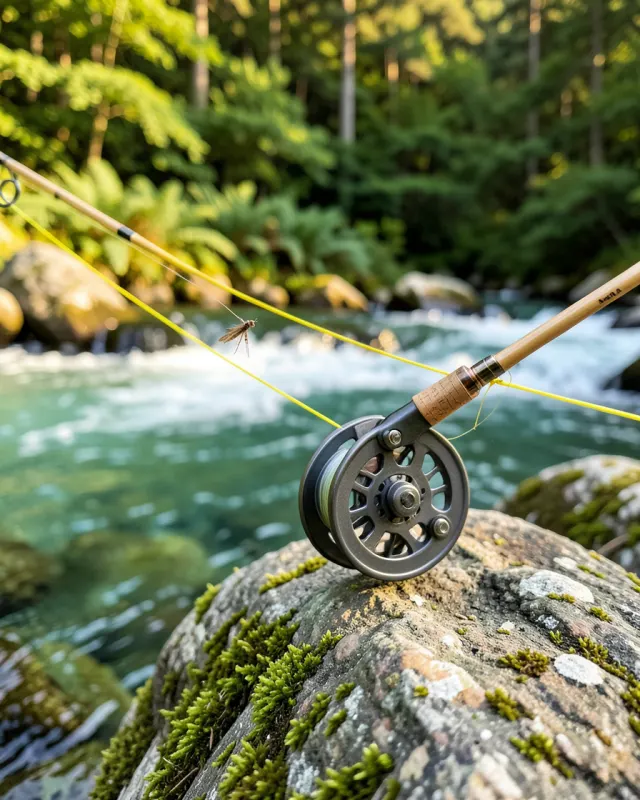
There's no dedicated fly shop anywhere in the country that we could find, so bring your own flies, leaders and spare line, or book a guide who supplies them. Our fishing techniques guide covers fly fishing on the coast too.
Licences, protected areas and the rules
This is the part that confuses visitors, because two different laws and two agencies are involved. Here's what we could confirm.
Two agencies, two kinds of permit
- INCOPESCA sells the sport fishing licence that every angler on a sport fishing boat must carry, online or at its offices (FECOP explains the steps). Costa Rica's fishing law, Law 8436, counts lakes, lagoons, reservoirs and rivers as inland waters within its scope. Most Lake Arenal guides include a licence in the trip, so ask yours which one they've arranged.
- SINAC (under the environment ministry) enforces the Wildlife Conservation Law, Law 7317, which also governs fishing in inland waters and sets the penalties: fines and loss of gear for fishing without the right licence, in a closed season or above the catch limits, and much heavier penalties, including prison, for nets, explosives, poisons or other destructive methods.
- Wildlife refuges issue their own permit. In January 2026 SINAC's Tortuguero conservation area published a guide for the Barra del Colorado refuge that spells it out: a one-year SINAC fishing licence, applied for individually, that is separate from the INCOPESCA one. At Caño Negro, The Tico Times reported back in 2010 that a refuge fishing permit needed photos and an ID or passport, and travel guides still say you get it at the ranger station in the village. Lodges usually handle this for you, but confirm it.
Caño Negro's closed season
Caño Negro closes to fishing for part of each year to protect spawning fish and low-water lagoons, but sources don't fully agree on the dates. A travel guide updated in 2026 gives the open season as 1 July to 31 March, which means no fishing from April to June; our own research found other sources saying April to July. Confirm the current dates with your lodge or the SINAC office before you book a trip in late March, or from April to July.
No fishing in national parks
Sport fishing isn't allowed inside national parks. That matters at San Gerardo de Dota, where Los Quetzales National Park borders the valley, and anywhere a river runs through a park. Wildlife refuges like Caño Negro are different: rod-and-line sport fishing is allowed there with the permit and within the rules.
Good practice on any river or lake
FECOP's 2024 guide to inland fishing asks anglers to:
- Release fish quickly, with wet hands, and never hold them by the lower jaw or touch the gills.
- Use circle hooks, and flatten barbs where you can.
- Never move live bait or fish between rivers, and never release exotic species.
- Take every scrap of line, hooks and rubbish home, and leave the riverside plants alone.
- Respect private land and other anglers; most river banks are someone's farm.
It also has a safety list worth reading: don't fish alone, watch the water level and colour for a sudden flood after rain, and watch for crocodiles and caimans. That last one applies on Arenal and at Caño Negro.
The full national rules, including the sea licence and billfish release laws, are in our Costa Rica fishing rules guide, and the reasons behind catch and release are in our conservation guide.
Bait and tackle shops
Freshwater guides supply tackle, so you only need a shop for extras, a spare reel or bait for the trout ponds. These are the shops we found with signs of life in 2025 or 2026 (from our own survey, checked 2026-11-14). The fuller list is in our bait and tackle guide.
Northern Zone (San Carlos and Arenal)
| Shop | Town | Notes |
|---|---|---|
| Tienda de Pesca Santa Clara | Santa Clara, San Carlos | Rods, reels, lures, bait tanks; ships nationwide |
| Tierra de Pescadores CR | Chachagua, near La Fortuna | Tackle shop with recent reviews |
| Tienda de pesca Pargos de Altamar | La Fortuna | Tackle shop in town |
| Neo Fish Tienda Pesca | Aguas Zarcas | Lures, rods and reels |
| D'Pesca Shop | Santa Rosa de Pocosol | Tackle shop |
| FishingCraftCR | Upala | Tackle shop, close to Caño Negro |
Central Valley (San José, Heredia, Alajuela, Cartago)
| Shop | Town | Notes |
|---|---|---|
| Stone Mountain Outdoors | Santa Ana | Outdoor store with a fishing department; recommended by The Tico Times for trout information |
| El Pescador Tackle Shop | Barrio México, San José | Large store, all kinds of gear |
| Gilca | San José centro | Wide selection of rods and reels |
| Borbón Marino | Tibás, San José | Marine dealer with freshwater lures and line |
| Mi Pesca Alajuela | Alajuela centro | Tackle and repairs; sister store in Heredia |
| Artículos de Pesca Megalodox | Alajuela | Full tackle store, online catalogue |
| Full Pesca | Lagunilla, Heredia | Online shop and distributor with a big lure range |
| Angler.cr | La Lima, Cartago | Online with pickup; combos, lures, kayaks |
| Total Fishing Store | Cartago | Rods, line, crankbaits; helpful owner |
| Bucaneros Fishing Store | Turrialba | Wide range of products |
| Sios Fishing Store | Monteverde | River and shore basics |
Ice is rarely an issue in fresh water: nearly everything is released, and trout farms clean and pack what you keep. Bring a small cooler in the car if you're driving a farm trout home.
Getting there
- Lake Arenal. La Fortuna is about 2.5 hours by road from San José and about 3.25 hours from Liberia, according to EnterCostaRica's drive-time chart, and El Castillo is a short drive beyond it. Nuevo Arenal is about another hour around the lake. SANSA flies from San José to La Fortuna in about 30 minutes, up to 3 times a day depending on the season.
- Caño Negro. About 4 hours by road from San José, through Ciudad Quesada or via Upala and Los Chiles. It's an easy add-on to a La Fortuna stay.
- San Gerardo de Dota. About 2.5 hours from San José (87 kilometres) south on the Pan-American Highway over the Cerro de la Muerte, then down a steep, narrow road into the valley. A 4x4 or a careful driver helps, and fog is common.
- Trout farms. Along the Pan-American Highway beyond Cartago and in the hills of Alajuela, mostly 45 minutes to 2 hours from San José.
- Sarapiquí. About 2 hours from San José for machaca rivers on the Caribbean slope.
International flights land at San José (SJO) or Liberia (LIR). Liberia is closer for Arenal and Guanacaste's machaca rivers; San José is closer for the trout country. Our trip planning guide covers rental cars, shuttles and timing.
Where to eat your catch
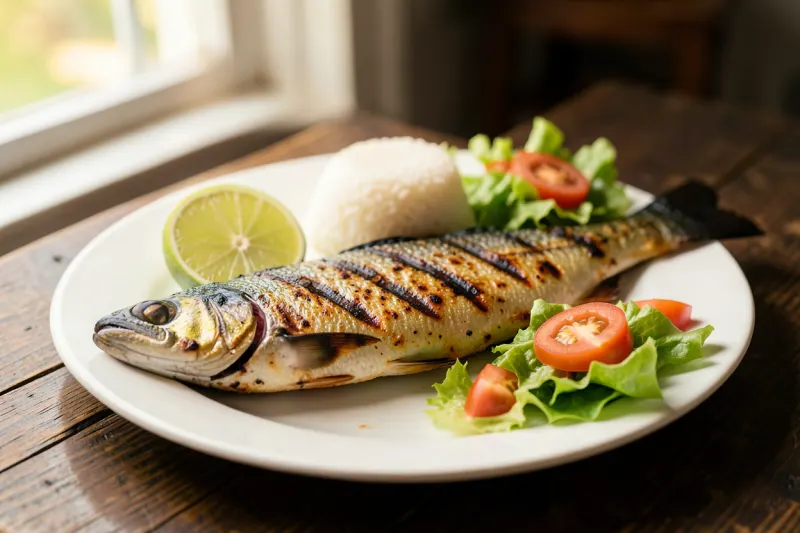
Most freshwater fishing is catch and release, so "eating your catch" usually means trout. Here's how it works: at the trout farms along the Cerro de la Muerte and in the highland towns, you fish the pond, the staff weigh what you keep, and most will clean it and cook it in the farm's own restaurant, typically grilled, fried whole or with garlic butter, with rice and salad. In San Gerardo de Dota, trout is on nearly every menu because the village farms it, and Trogón Lodge raises the trout its restaurant serves.
We couldn't confirm with 2025 or 2026 evidence which restaurants will cook a fish you bring in from the river, so we haven't named any; ask your lodge or guide, as kitchens in small towns will often help a guest. Guapote is a good eating fish and is sold in markets in the north, but on Lake Arenal most guides release the bigger fish.
Weather and water conditions
Fresh water reacts to rain far faster than the sea does, so check the forecast the day before.
- Northern lowlands (Arenal, Caño Negro, Sarapiquí). Warm and humid, with rain in most months. In the drier stretch from about February to April, the Caño Negro lagoons shrink to small lakes and channels, and the Arenal reservoir drops. Wind on the western half of Arenal is steady from about November to April.
- Highlands (San Gerardo de Dota, Cerro de la Muerte). Cool to cold: at 2,200 metres, mornings are often around 10 to 15 °C, and fog can roll in by afternoon. Bring a fleece and a rain jacket even in the dry season.
- After heavy rain. Rivers rise fast and turn chocolate brown. FECOP's safety advice is simple: if it's raining hard, stay out of the river, and keep an eye on the water's colour and level for a flash flood coming down from the hills.
Our Costa Rica weather page has the countrywide picture.
Tournaments and festivals
- Festival del Guapote, El Castillo, Lake Arenal. A catch-and-release guapote tournament run by the El Castillo tourism chamber at the Paradero Lacustre El Castillo. The May 2025 edition ran over 3 days (23 to 25 May), the prize went to the longest fish rather than the heaviest, and the species allowed were guapote pinto, azulón, jaguar guapote and machaca. Organisers said it had been running for 2 years, and that year's funds went toward a bridge over the Caño Negro river. We couldn't find a 2026 date.
For the saltwater calendar, see Costa Rica fishing tournaments.
Every freshwater fishing business in Costa Rica
Every business here showed signs of life in 2025 or 2026 when we checked. We left out a few long-running names whose status we couldn't confirm this year.
| Business | Where | What they do | Website or booking |
|---|---|---|---|
| Arenal Lake Fishing with Salomón | El Castillo, Lake Arenal | Guided guapote and machaca fishing, aluminium boat, licence included | FishingBooker |
| Osprey Fishing Tours | El Castillo, Lake Arenal | Guided bass-boat fishing for guapote and machaca, fly or conventional | FishingBooker |
| Desafío Adventure Company | La Fortuna (Lake Arenal) | 4-hour kayak fishing trips for machaca and guapote | desafiocostarica.com |
| Hotel de Campo Caño Negro | Caño Negro, Los Chiles | Fishing lodge; tarpon and gar in the refuge lagoons, 1 to 3-day packages | hoteldecampo.com |
| Natural Lodge Caño Negro | Caño Negro village | Lodge on the refuge; tarpon, snook and guapote on Caño Negro and the Río Frío | canonegrolodge.com |
| Fly Fish in Costa Rica | San José (trips nationwide) | Fly-fishing outfitter: wild trout, machaca, jungle tarpon | flyfishincostarica.com |
| Costa Rica Fly Fishing Guides | Trips nationwide | Guided trout, machaca and tarpon fly fishing; booking form only | costaricaflyfishingguides.com |
| Trogón Lodge | San Gerardo de Dota | Mountain lodge with its own trout ponds and restaurant | trogonlodge.com |
Frequently asked questions
Do I need a fishing licence for fresh water in Costa Rica?
Usually, yes. INCOPESCA's sport fishing licence is required on any sport fishing boat, and inland waters also come under SINAC's wildlife law, so wildlife refuges such as Caño Negro and Barra del Colorado issue their own permit. Most guides include or arrange the licence, so ask when you book. On a private trout farm, ask the farm what applies.
What is guapote, and where do I catch it?
Guapote is a big predatory cichlid that guides call rainbow bass. Lake Arenal is the place most visitors catch it, with guides from El Castillo and Nuevo Arenal; it also lives in the rivers and lagoons of the north, including Caño Negro.
Can you really catch tarpon in fresh water?
Yes. Tarpon swim up from the Caribbean through the San Juan River system and live all year in the Caño Negro lagoons and the Río Frío. They're always released.
When is Caño Negro closed to fishing?
It closes for part of each year, but sources disagree on the exact months: a 2026 travel guide gives the open season as July to March, and others say the closure runs from April to July. Check with your lodge before booking a spring or early-summer trip.
Where can I fish for trout in Costa Rica?
Wild rainbow trout live in the cold streams of the Talamanca mountains, especially the Río Savegre at San Gerardo de Dota. Stocked trout farms along the Pan-American Highway and in the hills near San José let you fish a pond and take your catch home or have it cooked.
Is there fly fishing in Costa Rica's rivers?
Yes, for wild trout in the highlands, machaca in the northern and Guanacaste rivers, guapote on Lake Arenal and tarpon at Caño Negro. There's no dedicated fly shop in the country that we could find, so bring your own flies or book a guide who supplies them.
Is freshwater fishing good for kids?
Trout farms are perfect for kids: short, easy and almost guaranteed. A half day on Lake Arenal also works for older children. Desafío's kayak trip has a minimum age of 15.
Are there crocodiles in Lake Arenal and Caño Negro?
Yes. Caimans and crocodiles live in both, which is one more reason to fish with a guide and not to wade in the lowland lagoons.
Sources
- Sport fishing in Costa Rica: where to go and what you'll find (Todd Staley, The Tico Times, 2021)
- Buenas prácticas en la pesca deportiva en aguas continentales y estuarios (FECOP, 2024)
- Get a fishing licence online (FECOP)
- Guía para pescadores responsables, aguas continentales, Refugio Nacional de Vida Silvestre Barra del Colorado (SINAC, Área de Conservación Tortuguero, January 2026)
- Ley de Pesca y Acuicultura 8436 (INCOPESCA)
- Sorprenden a dos personas pescando en refugio de vida silvestre (CRHoy)
- Caño Negro Wildlife Refuge (Wikipedia)
- Caño Negro refuge, fishing season and permit (Costa Rica Guide)
- Birders, anglers rub shoulders in Caño Negro (The Tico Times, 2010)
- Lake Arenal (Wikipedia)
- Fishing on Lake Arenal (Two Weeks in Costa Rica, updated August 2025)
- Monster guapote taken at Arenal (The Tico Times, 2006)
- Festival del Guapote se celebrará este fin de semana en El Castillo (Delfino.cr, May 2025)
- Trout man: how trout reached San Gerardo de Dota (The Tico Times, 2013)
- Parachromis dovii, guapote (FishBase)
- Brycon guatemalensis, machaca (FishBase)
- Atractosteus tropicus, tropical gar (FishBase)
- Caño Negro tourist guide, sport fishing (Instituto Costarricense de Turismo)
- Northern Plains tourist guide, Caño Negro (Instituto Costarricense de Turismo)
- Arenal Lake Fishing with Salomón (FishingBooker)
- Osprey Fishing Tours (FishingBooker)
- Kayak fishing at Arenal Lake (Desafío Adventure Company)
- Costa Rica sport fishing, Caño Negro (Hotel de Campo Caño Negro)
- Caño Negro, Río Frío, Lake Nicaragua and San Juan River fishing (Natural Lodge Caño Negro)
- Fly Fish in Costa Rica (official site)
- Fly Fish in Costa Rica, reviews (Tripadvisor)
- Costa Rica Fly Fishing Guides (official site)
- Trogón Lodge, gastronomy (official site)
- Savegre Hotel Natural Reserve and Spa (official site)
- Drive times in Costa Rica (EnterCostaRica)
- La Fortuna flights (SANSA Airlines)
- El secreto mejor guardado en Poás para escapar del estrés (Teletica, June 2026)
- Tienda de Pesca Santa Clara (official site)
- Stone Mountain Outdoors, fishing department (official site)
- Deep in: fly fishing Costa Rica's Río Savegre (MidCurrent)


