
What to Bring on a Costa Rica Fishing Charter
The Complete Packing List
The boat brings the tackle, bait and ice, so your job is to protect yourself from the sun and the sea: a hat, polarised sunglasses with a strap, a long-sleeved sun shirt, lotion sunscreen, non-marking shoes, a light rain jacket and a dry bag. Add your fishing licence, a copy of your passport, cash for the crew's tip and any seasickness medicine, taken before you leave the dock.
At a glance
- The boat supplies
- Rods, reels, tackle, bait and ice (drinks, lunch and licence vary)
- Sun
- Hat, polarised sunglasses with a strap, long sleeves, SPF 15 or higher (CDC)
- Feet
- Non-marking deck shoes, or water shoes for beach launches
- Documents
- Fishing licence and a passport copy with your entry stamp
- Money
- Cash in small notes for the crew's tip
- Seasickness
- Medicine taken before you board, not after
- Rivers and the Caribbean
- Add insect repellent
The short answer
On a Costa Rica fishing charter, the boat brings the fishing gear and you bring everything that keeps you comfortable. Rods, reels, tackle, bait and ice are almost always aboard. What isn't is protection from the tropical sun, shoes that grip a wet deck, the paperwork the law asks for and something to settle your stomach if the swell picks up.
This list goes deeper into the packing section of our guide to planning a Costa Rica fishing trip. It starts with what the boat usually supplies, then works through the essentials, what to add for each kind of trip, and what to leave at the hotel.
What the boat usually supplies
Most charters, from a family panga to a big sportfisher out of Marina Pez Vela, include:
- Rods, reels and terminal tackle, rigged by the crew before you arrive
- Bait, caught or bought at dawn, or rigged ballyhoo and lures for trolling
- Ice and a fish box for anything you keep
- Life jackets for everyone aboard
Other things vary from boat to boat, so ask when you book:
- Drinks and snacks. Many boats carry water and soft drinks; some add beer.
- Lunch. Common on full days, rarer on half days.
- Your fishing licence. Everyone who fishes from a sportfishing boat needs an INCOPESCA licence, whatever their age. Some crews buy it for you if you send your passport details ahead; others expect you to buy it online yourself.
- Hotel pickup, and whether the boat leaves from a marina, a dock or the beach.
If you'd rather fish your own rods or fly gear, that's a different list: see our guide to bringing your own rods and tackle into Costa Rica.
The essentials: your packing list
| Bring | Why | Tip |
|---|---|---|
| Hat with a brim or neck flap | Sun on the water is fierce, even on cloudy days | A cord or clip stops it blowing overboard |
| Polarised sunglasses with a strap | Cut glare so you can spot fish, birds and weed lines | Bring a spare pair if you're on a multi-day trip |
| Long-sleeved sun shirt | Less sunscreen, less burn | Light colours stay cooler |
| Sunscreen (lotion, not spray) | SPF 15 or higher, reapplied often | Spray drifts onto the deck and makes it slick |
| Non-marking shoes or water shoes | Grip on a wet deck; you may wade out to a panga | No black soles, which scuff white decks |
| Light rain jacket | Showers come and go, and spray soaks you on a fast run | It also keeps the wind off on early starts |
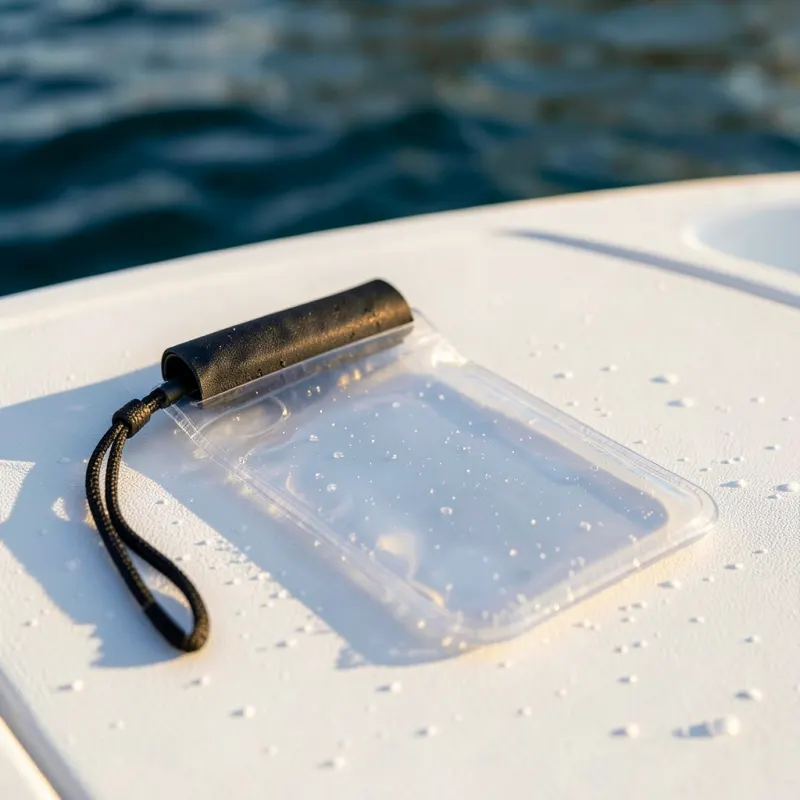
| Dry bag or waterproof pouch | Phone, wallet, passport copy, camera | Keep it in the cabin or a dry locker |
| Fishing licence | Required by law | Printed or on your phone |
| Passport copy with entry stamp | Costa Rica's tourism board advises carrying one | Leave the original in the hotel safe |
| Cash in small notes | The crew's tip at the end of the day | Ask whether they prefer dollars or colones |
| Seasickness medicine | Works best taken before you board | Talk to your doctor first |
| Water and snacks | Heat and sun dehydrate you fast | Cans and plastic are safer than glass on deck |
Sun protection: the thing people get wrong
The most common way to ruin a fishing holiday in Costa Rica isn't a lost fish, it's a sunburn on day 1. You're close to the equator, on bright water that reflects light back at you, often with a breeze that hides how hot it is.
The CDC's advice for Costa Rica is to use sunscreen with an SPF of at least 15, wear protective clothing and seek shade between 10 a.m. and 4 p.m. On a boat that last one is hard, so the clothing does most of the work:
- Cover up. A long-sleeved shirt, light trousers or long shorts and a buff or neck gaiter protect better than any lotion, and they don't wash off.
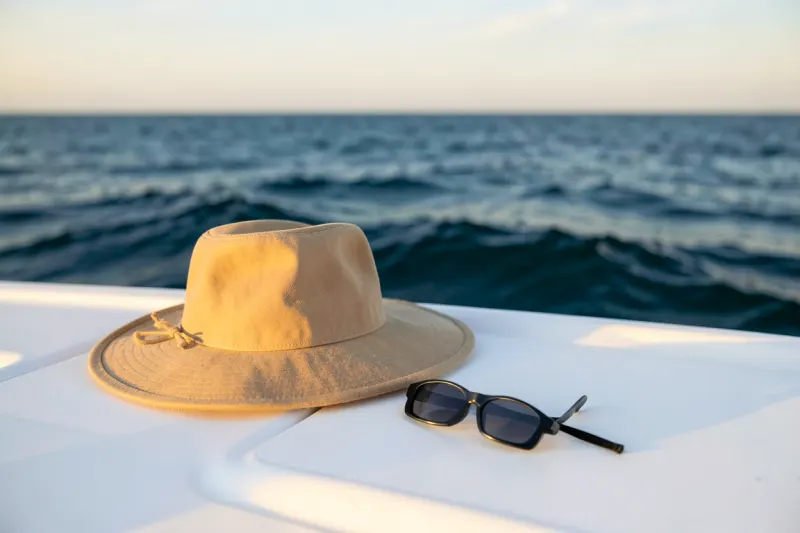
- Hat and sunglasses. A brimmed hat with a neck flap, and polarised lenses on a strap. A strap matters: sunglasses go overboard all the time.
- Lotion, applied before you leave. Put it on at the hotel so it's working by the time you're on the water, then reapply through the day, especially after a swim. Choose a lotion or stick over a spray, which blows across the deck.
- Shade on the boat. If you can, pick a boat with a T-top, a canopy or a cabin. On a small open panga, there may be none at all.
- Lips and the backs of your hands. They get forgotten, and they burn first.
Shoes and clothes
Shoes
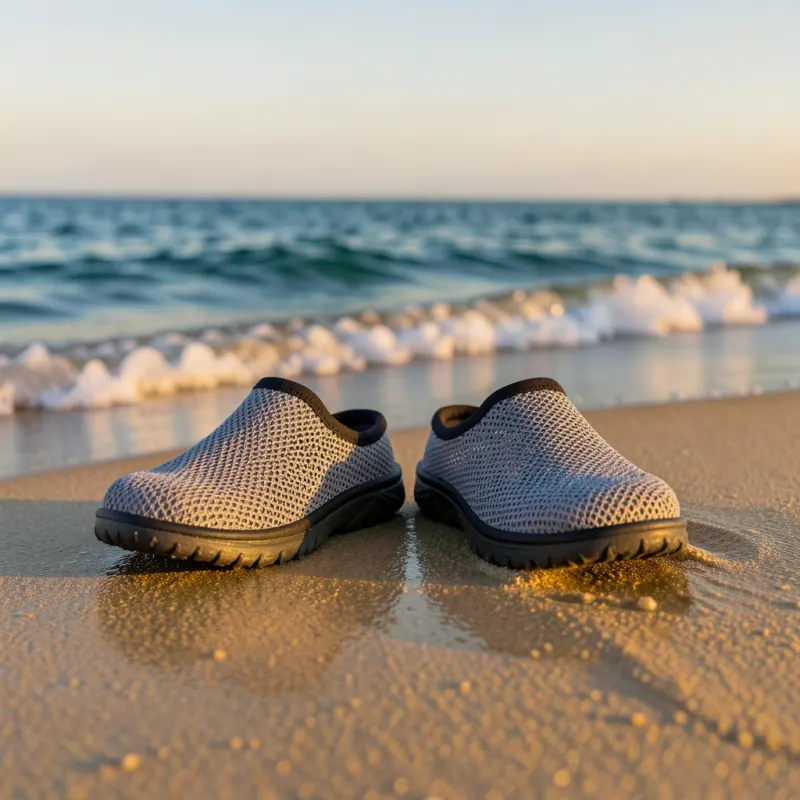
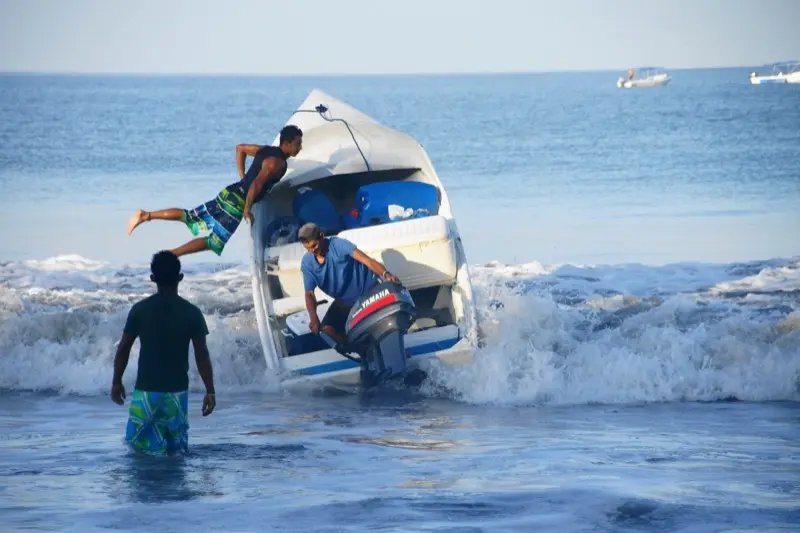
A wet fibreglass deck is slippery, so wear shoes with a grippy, non-marking sole, or sandals with a strap round the back. Bare feet are a bad idea near hooks and gaffs. If your trip launches from the beach, as many on the Nicoya Peninsula do, you'll wade out to the boat, often knee-deep: water shoes are ideal, and our page on panga fishing on the Nicoya Peninsula explains how a beach launch works.
Clothes
Quick-drying fabrics beat cotton, which stays wet and heavy. Pack a light rain jacket even in the dry season: Pacific showers can pop up any time, the spray on a fast run soaks you, and an early start in December or January can feel cool. Bring a towel and a dry change of clothes for the ride home.
Documents and money
Your fishing licence
Costa Rican law requires a sport fishing licence for the crew and for every tourist who fishes from a sportfishing boat, regardless of age. Buy it online from INCOPESCA, the national fisheries institute, or ask your crew whether they'll arrange it; FECOP, the sport fishing federation, notes that operators can get short-term licences for their guests in advance. Carry it on your phone or printed. Our step-by-step page on how to get a Costa Rica fishing licence explains the options.
A passport copy
Costa Rica's tourism board recommends carrying a photocopy of your passport, including the page with your entry stamp, at all times during your stay. That's far safer on a boat than the original, which can stay in the hotel safe. A photo on your phone is a useful backup.
Cash for the crew
Tipping the crew is a normal part of a charter here. Bring cash in small notes, US dollars or colones, and hand it over at the end of the trip. FishingBooker's tipping guide notes that the mate usually works for tips, so many anglers give the mate's share to them directly. We don't suggest amounts, since that's between you and the crew; tip for effort as well as fish. Our planning guide covers tipping customs in more detail.
Your seasickness kit
Even a calm Pacific day can have a long, slow swell, and a boat drifting live bait rolls more than one under way. The CDC's travel advice is practical:
- Take medicine early. It works best before you board, because once you feel sick your stomach absorbs it more slowly. Talk to your doctor about which one suits you, since most cause drowsiness.
- Sleep well and go easy the night before. The CDC notes that alcohol and lack of sleep make it worse.
- Stay on deck, near the middle of the boat, watching the horizon. Avoid reading or staring at your phone.
- Eat lightly and keep sipping water.
If you know you're prone to it, start with a half-day inshore trip and tell the crew early if you feel unwell.
Extras by kind of trip
Inshore on a panga or small boat
Half-day inshore trips are short but exposed. There's often little or no shade, and you may launch from the sand.
- Water shoes and a dry bag are a must
- Extra sun protection, since a panga may have no canopy
- Wear your life jacket: Costa Rica's Coast Guard says life jackets must be worn on open-hull boats such as pangas
Offshore on a sportfisher
Full days offshore mean an early start, a long run and hours of trolling, with bigger boats and more comfort.
- A light layer for the dawn run, when it can feel cool at speed
- Seasickness medicine, taken before you leave the dock
- A camera or phone ready to go: sailfish and marlin are released in the water and may not be lifted aboard for photos, so the crew needs you ready for a quick picture alongside the boat
- Lunch and drinks, if they aren't included
Rivers, lagoons and the Caribbean
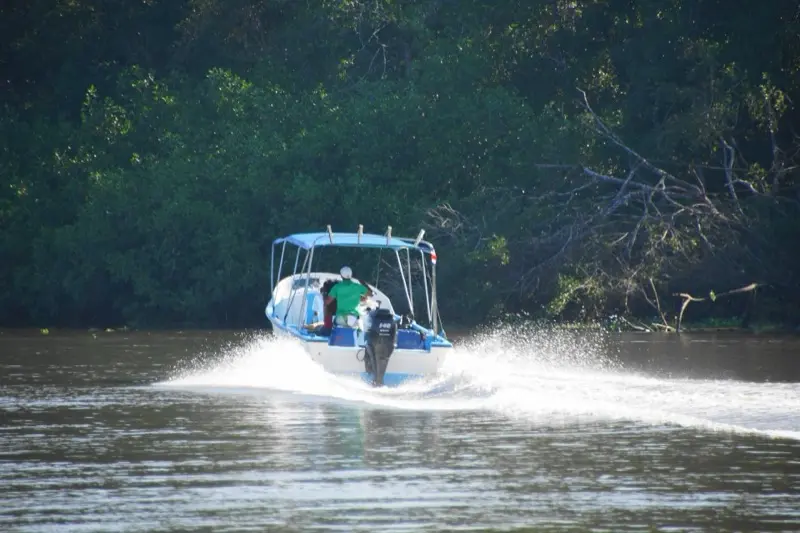
Tarpon and snook fishing on the Caribbean and in the northern lowlands takes you into river mouths, lagoons and rainforest canals, where it can rain in any month.
- Insect repellent: the CDC lists dengue and Zika as mosquito-borne risks in Costa Rica and advises avoiding bites
- A proper rain jacket, not just a shell
- Long sleeves for both sun and bugs
See our Caribbean fishing guide and our freshwater fishing guide for those waters.
With children
Add child-sized life jackets (ask the crew, or bring one from home for a small child), more snacks and water than seems sensible, and a change of clothes. Our page on fishing with kids in Costa Rica covers ages, seasickness and the best places for families.
If you're keeping a fish
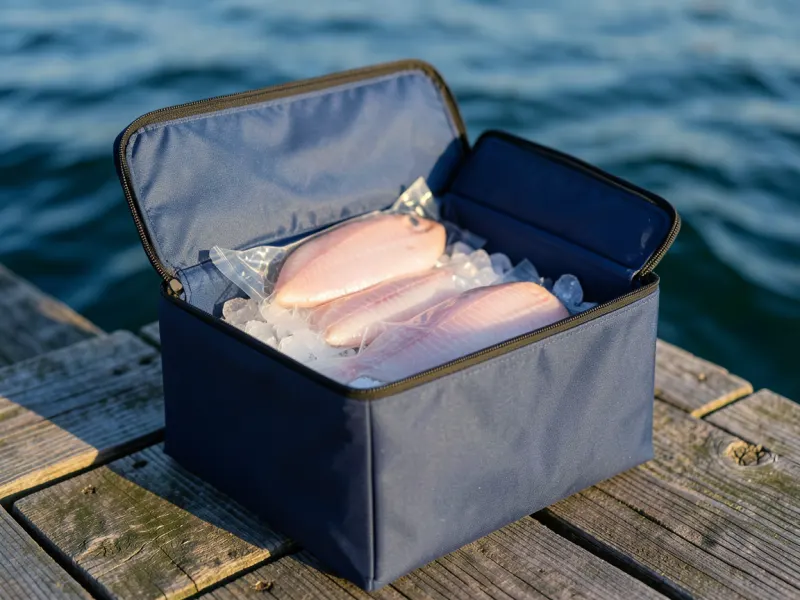
The rules allow a sportfishing boat to land up to 5 fish per trip for eating, and sport-caught fish can never be sold. Billfish, roosterfish and tarpon go back. If you keep a dorado, tuna or snapper for dinner, most crews will fillet it at the dock. Bring:
- A soft cooler bag and a few sealable bags for the fillets
- A plan: some restaurants in fishing towns will cook what guests bring in, so ask your captain where people go, or have your lodge kitchen cook it
What to leave at the hotel
- Your passport, unless the crew specifically asks for it. Bring the copy.
- Jewellery and anything you'd hate to lose overboard.
- Hard suitcases and big bags. Space on a boat is tight; a small backpack or dry bag is plenty.
- Your own tackle, unless you've told the crew in advance and they've agreed. Most boats prefer to fish their own rigs.
- Glass bottles, which break on a moving deck.
Last checks before you leave the dock
A quick look round before the lines come in:
- Licence on your phone, passport copy in the dry bag
- Sunscreen on, hat and sunglasses with strap
- Seasickness medicine taken, if you need it
- Water and snacks aboard (or confirmed by the crew)
- Cash for the tip
- Life jackets found, and fitted for any children
That's it: the crew handles the rest. For choosing your zone, season and boat, head back to our guide to planning a Costa Rica fishing trip, and for what each coast is biting, see our Costa Rica fishing seasons chart.
Frequently asked questions
Do I need to bring fishing gear on a Costa Rica charter?
No. Almost every charter supplies rods, reels, tackle and bait. Bring your own only if you fly fish or have a favourite outfit, and tell the crew in advance.
What shoes should I wear on a fishing boat?
Shoes with a grippy, non-marking sole, or sandals with a back strap. For beach launches, where you wade out to the boat, water shoes are best.
Should I bring my passport on the boat?
Bring a copy with your entry stamp, which Costa Rica's tourism board recommends carrying at all times, and leave the original in your hotel safe unless the crew asks for it.
Is food included on a fishing charter?
It varies. Many boats carry water and soft drinks, and full days often include lunch, but half days often don't. Ask when you book and bring snacks either way.
What's the best seasickness remedy for a fishing trip?
Ask your doctor before you travel, and take any medicine before you board, since it works more slowly once you feel sick. On the boat, stay on deck, watch the horizon and eat lightly.
Do I need insect repellent?
Not usually offshore, but yes for river, lagoon and Caribbean trips. The CDC lists dengue and Zika as mosquito-borne risks in Costa Rica.
Charters and places in this guide

Sources
- Motion sickness (CDC Yellow Book)
- Costa Rica, traveler view: bug bites, sun and water safety (CDC)
- Entry requirements, carrying a passport copy with your entry stamp (Visit Costa Rica, ICT)
- Best practices guide for tourist and sport fishing in Costa Rica, licences and landing limits (MarViva, 2023)
- Get a fishing license online (FECOP)
- 34 personas rescatadas por estar en embarcaciones sin implementos de seguridad, Coast Guard advice on life jackets (El Observador, January 2023)
- How much to tip a fishing guide (FishingBooker, March 2026)
- Instituto Meteorológico Nacional (IMN), Costa Rica's national weather service


