
Panga fishing on the Nicoya Peninsula
What to expect from a beach launch
On the Nicoya Peninsula most fishing trips start on a beach, not a dock: you wade out to a panga or a small center console, or take a short water taxi to a boat on a mooring. Expect to get wet to the knees, fish 4 or 5 hours close to the rocks for roosterfish, snapper and jacks, and let the captain call the day if the swell is up.
At a glance
- Boats
- Pangas and center consoles of about 20 to 32 feet, plus a few larger boats on moorings
- Boarding
- Wading from the sand, a water taxi, or a small shuttle boat
- Main beach launches
- Playa Garza, Sámara, Carrillo, Malpaís, Cabuya and Montezuma; calmer bays at Tambor, Pochote and Paquera
- Typical trip
- 4 to 5-hour inshore morning; full days for offshore
- Inshore fish
- Roosterfish, snappers, jacks, sierra mackerel, grouper
- Calmest months
- December to March mornings; biggest surf September and October
- Bring
- Water shoes, a dry bag, a hat, non-spray sunscreen, your INCOPESCA licence
Part of our complete guide: Fishing the Nicoya Peninsula: the complete guide
The short answer
If you book a fishing trip anywhere on the Nicoya Peninsula, there's a good chance it starts with your shoes in your hand. Between Playa Garza and Cabo Blanco there's no sportfishing marina, so most boats are launched off the sand or kept on moorings in sheltered bays, and you reach them by wading, by water taxi or by a little shuttle boat. Our complete guide to fishing the Nicoya Peninsula covers the whole zone; this page is about the beach launch itself, and what a day on a panga is really like.
The short version: you'll get wet to the knees, the boat will be small and open, the fishing grounds will be close, and the captain will often be someone who grew up in the village. A typical inshore trip runs 4 or 5 hours around the rocky points for roosterfish, snapper and jacks. When the surf is big, a good captain moves the start, switches beaches or calls it off, and that's a sign of a crew worth fishing with.
What a panga is (and what else you'll fish from)
A panga is a long, narrow open boat with a high, upswept bow and a single outboard on the back. The design spread through Latin America from about 1970, when, by the usual account, Yamaha developed it for a World Bank fisheries project; the name comes from the bow's resemblance to a panga, a machete-like knife. The shape matters for beach work: the tall bow punches through small waves, and the light hull planes on a modest engine and can be pushed off the sand by a few people.
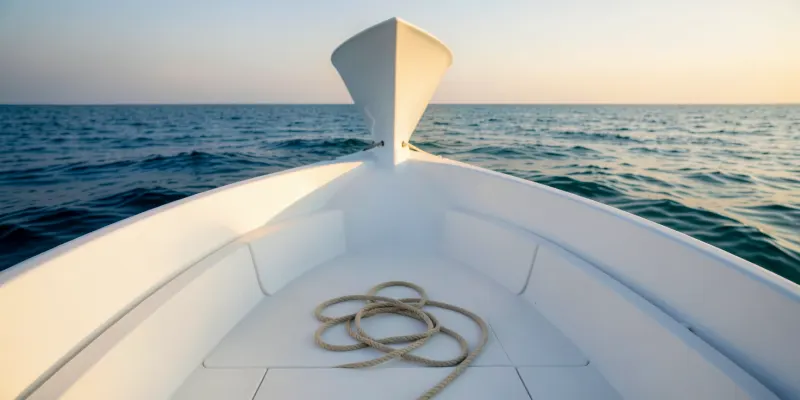
On this coast you'll hear "panga" used loosely for most small open boats, but there are really 4 kinds:
| Boat | Typical size | What it's like | Where you'll see it |
|---|---|---|---|
| Panga | About 20 to 26 ft | Open, often with a simple shade top, one outboard, no toilet | Every beach on the peninsula |
| Super panga | About 25 ft | A beefier panga with a center console, live bait well and sometimes a toilet | Paquera (Bahía Rica's Mono Congo) |
| Center console | About 24 to 32 ft | Faster and drier, T-top shade, twin engines on bigger boats | Garza, Sámara, Malpaís, Tambor |
| Diesel sportfisher | About 31 ft | A small cabin boat that stays on a mooring | Garza and Puerto Carrillo |
Pochote Ocean Adventures' Tango III is a classic example of the first kind: a 26-foot panga with one 115 hp Yamaha, built in 2000, carrying up to 4 anglers. SpicyTuna Cabuya fishes a 20-foot boat with a fighting chair and live bait well. At the other end, Gladiator Sportfishing's Sol de Oro in Sámara is a 28-foot center console built in Costa Rica in 2021, with outriggers and tuna tubes, and Nosara Sea Saw Tours fishes a 26-foot center console from Coral Boats Costa Rica.
Two things are worth asking before you book: whether the boat has shade (many pangas have only a small top, or none) and whether it has a toilet. Most small boats don't. Gladiator's listing says so plainly, and Bahía Rica's super panga is one of the few that has one.
How a beach launch works
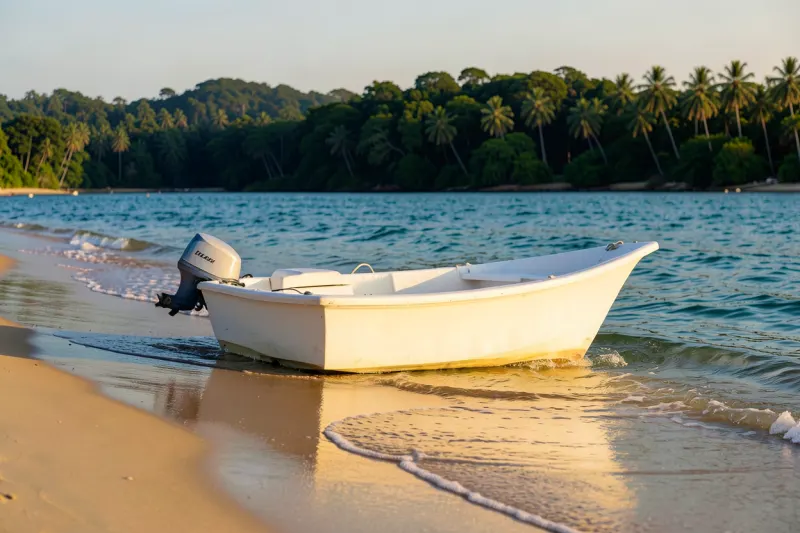
The night before
Beach-launch crews watch the swell forecast closely. If a big swell is due, a good captain will message you the evening before to move the start earlier (mornings are calmer), switch to a more sheltered beach, or reschedule. Give them a phone number with WhatsApp and check it before bed.
Meeting on the sand
Meeting points are usually a landmark rather than an address. At Playa Garza, Monkey Head Adventures checks guests in at the tables in the parking lot of Pilo's Bar and Restaurant, and Nosara Sea Saw Tours sends the exact time and parking notes with your confirmation. In Sámara, Gladiator meets at the end of the beach on the road to the Hotel Hideaway. In Malpaís, boats leave from the little fishing village at the south end of town. The crew will usually brief you on the sand: where to stand, how to climb in, and where to stow your bag.
Getting aboard
There are 3 ways it happens:
Wading straight to the boat
The captain holds the bow into the waves in knee-deep water and you climb over the side, often using the engine bracket or a step at the stern. Hand your bag up first.
A water taxi
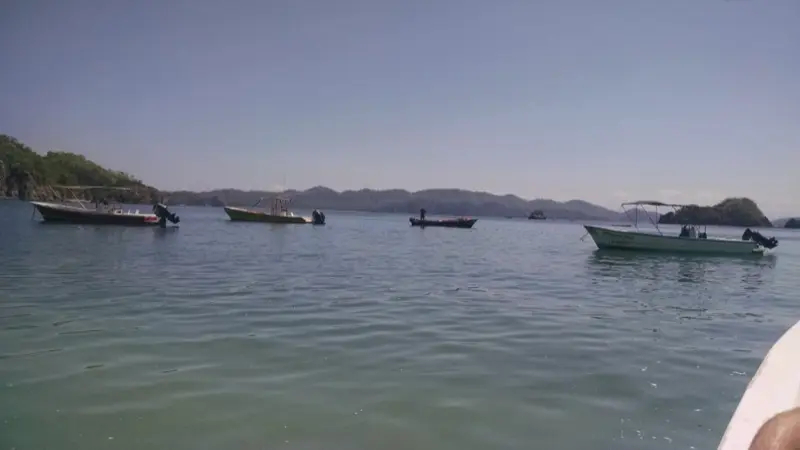
At Garza the bigger boats live on moorings in the bay, and a small boat runs you out. Nosara Sea Saw Tours uses a water taxi from the beach to its boats, and Juan Mora's 31-foot Bertram sits on a mooring off Garza beach.
A shuttle boat
Gladiator's listing describes wading through shallow water to a small shuttle boat in Sámara, then stepping across to the main boat, with both moving in the swell.
Time it with the waves, keep one hand for the boat, and don't jump. Crews do this every day and will tell you when to go.
Coming back in
Landing is the reverse, and it's often the wettest part. The captain watches the sets, runs in on the back of a wave, and you hop out into shallow water and walk up the beach. Keep your phone in the dry bag until you're on the sand.
Where the beach launches are
Each launch has its own character. Here's how they compare for boarding, based on what the crews themselves describe.
| Launch | Coast | How you board | Notes |
|---|---|---|---|
| Playa Garza (Nosara) | Pacific | Water taxi to moorings, or wade to smaller boats | The peninsula's biggest small-boat fleet, protected bay |
| Sámara | Pacific | Wade, sometimes via a shuttle boat | Reef-sheltered bay; meeting point at the end of the beach |
| Puerto Carrillo | Pacific | Water taxi or wade | A few larger boats on moorings |
| Malpaís | Pacific | Wade from the fishing village | Most exposed to swell; mornings best |
| Cabuya | Gulf mouth | Wade; some crews pick up on Montezuma beach | Next to the Cabo Blanco reserve, where fishing is banned |
| Montezuma | Gulf | Wade from a rocky, exposed beach | Many trips start from Tambor instead |
| Tambor and Pochote | Gulf | Pier or beach in a calm bay | The most sheltered launches in the south |
| Paquera | Gulf | Shore at Punta Cuchillo, near the ferry | Calm water, short runs to the islands |
On the gulf side, from Tambor round to Paquera, the water is calmer and boats can use the Bahía Ballena pier or a quiet shore, so you may stay dry. Montezuma Crew, for example, boards every trip from the pier at Tambor rather than a beach.
What a day on a panga looks like
The inshore morning
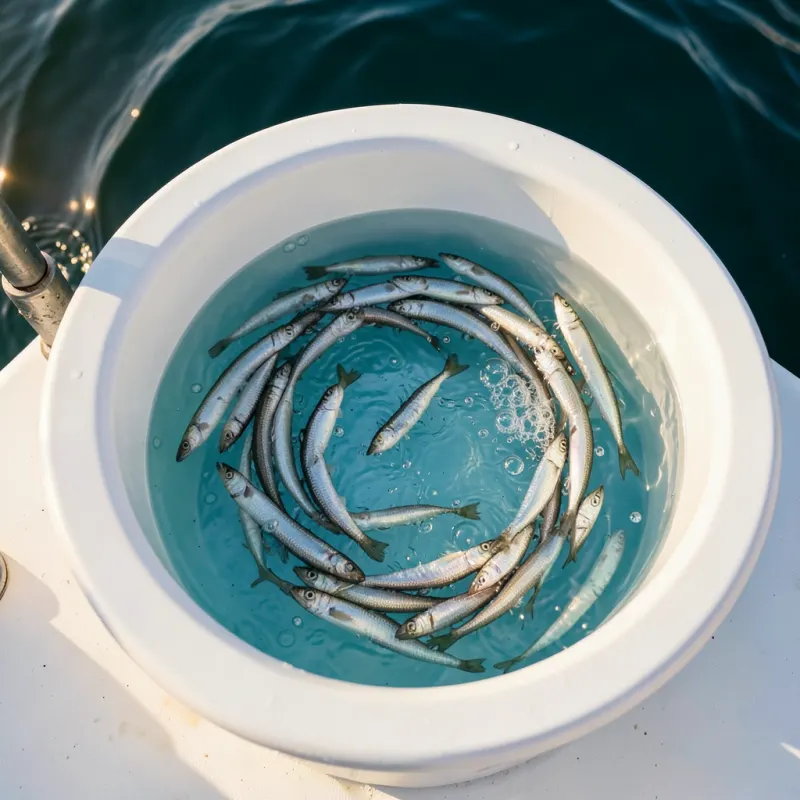
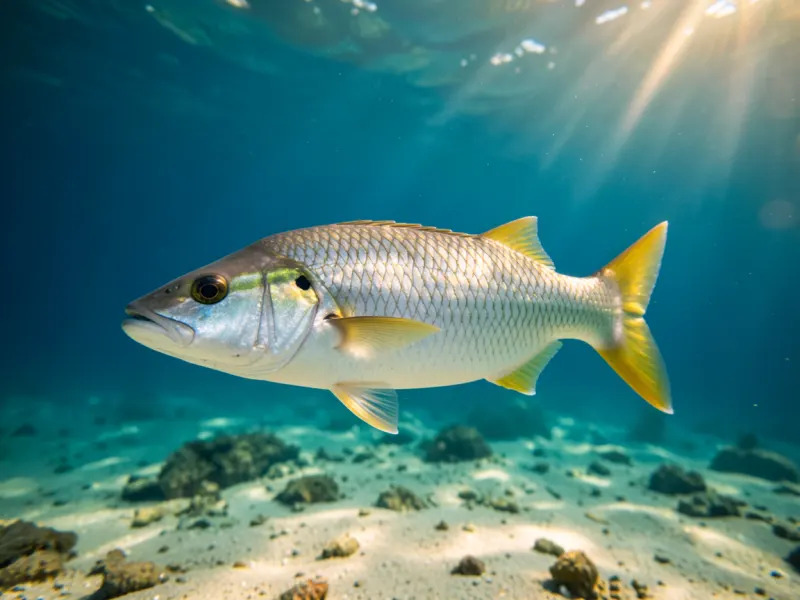
Most panga trips are inshore, and most start early (Gladiator's leave at 7:30 AM; Malpaís boats as early as 6). The first job is usually bait: the crew catches or buys live sardines or small jacks and keeps them in the boat's bait well. Then it's a short run to the rocks, islands and river mouths, where the captain slow-trolls live bait along the white water or has you cast poppers and jigs.
The catch depends on the day, but the usual inshore list here is roosterfish, cubera and other snappers, jack crevalle, sierra mackerel, grouper and the odd amberjack. Costa Rica Outdoors and Waves' 3-hour inshore trips from the Malpaís village list roosterfish, cubera and red snapper, yellowfin tuna, mahi-mahi and mackerel. Our guide to fishing techniques in Costa Rica explains live-baiting and popping in more detail, and if roosters are your main goal, our page on roosterfish in Guanacaste covers the fish just to the north.
Going offshore in a small boat
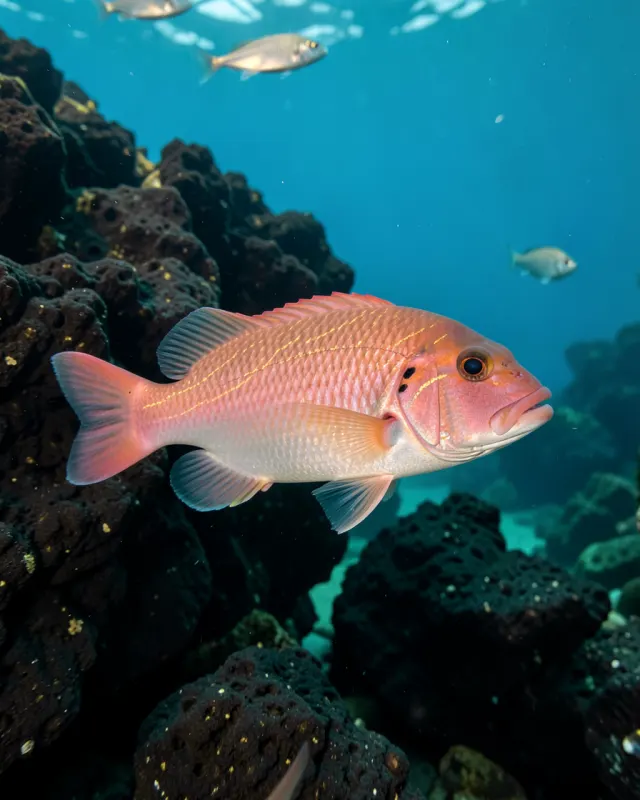
Small boats do go offshore here, because the deep water is close. Pochote Ocean Adventures fishes from the coast to about 5 miles out; Gladiator's offshore trips run 14 to 25 miles; SpicyTuna Cabuya runs 4, 6 and 8-hour trips that can reach the tuna grounds. Offshore in a panga is a full, bumpy day in the sun, so it suits people who don't get seasick and don't mind a small deck. The targets are sailfish, marlin, yellowfin tuna and dorado, often found under birds and dolphins.
Comfort and the catch
Expect plain comforts: a cooler with water and fruit, maybe snacks, and on longer trips a packed lunch. Pochote's listing includes drinks and light snacks; Costa Rica Outdoors and Waves includes water and fruit inshore and lunch offshore. If you keep fish, most crews clean and fillet them for you (SpicyTuna, Pochote and Bahía Rica all say so), and some will tell you which local kitchen will cook them.
Swell, weather and the best months
On a beach-launch coast, the swell decides more trips than the rain. The national weather service (IMN) divides the North Pacific year into a dry season from December to March, changeover months in April and November, first rains from May to August, and the wettest months in September and October.
December to March
sunny, clear water, and usually the easiest launches. The northeast trade winds can make afternoons choppy, so mornings are the norm. Roosterfish fishing is at its best from about January to April.
May to August
rain mostly in the afternoons, calm mornings, and good fishing; this is when the north of the peninsula has its best sailfish months.
September and October
the biggest surf on the open Pacific side, and rivers that color the inshore water. Expect more cancellations at Malpaís and Sámara, and look at the gulf-side launches at Tambor, Pochote and Paquera, which keep fishing more often.
Our weather page and the month-by-month table in the Nicoya Peninsula guide have more.
What to bring and wear
- Shorts and water shoes or sandals with a strap. Flip-flops get lost in the shore break.
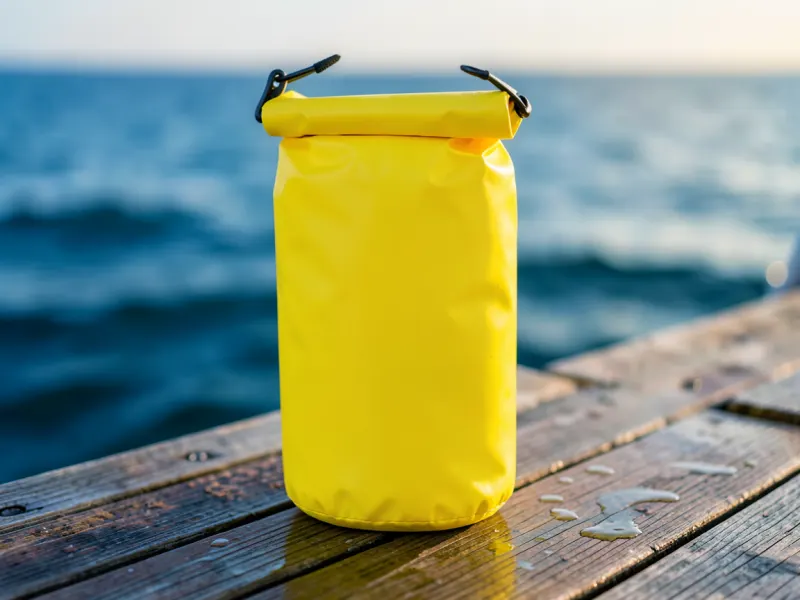
- A dry bag for your phone, wallet, camera and a spare shirt. Hand it to the crew before you climb in.
- A hat, polarized sunglasses and non-spray sunscreen. Pochote's listing asks for non-spray sunscreen.
- A light long-sleeved shirt for shade on boats with a small top.
- Seasickness tablets taken before you leave, if you need them. Monkey Head Adventures suggests the same.
- Your fishing licence. Everyone fishing from a boat needs an INCOPESCA sport fishing licence; you can apply with the English form, and many crews will help.
- Cash for a tip. Tipping the captain and mate is customary; ask the crew or your hotel what's usual.
Leave glass bottles and hard liquor at home (Pochote's listing rules them out), and don't bring a big hard suitcase-style tackle box. Rods, reels, bait and lures are included on nearly every trip.
Safety and the rules on a small boat
Life jackets should be on board in every size, including for children, and you should see them before you leave the beach. Gladiator says it carries them in all sizes, SpicyTuna says its crew provides them, and Pochote's listing says children must wear one, so ask about a child's size when you book.
The national rules apply on a panga just as on a big sportfisher:
- Billfish go back. Sailfish and marlin are released, ideally on circle hooks, kept in the water and never gaffed or lifted aboard for a photo, as FECOP and MarViva's best-practice guide sets out.
- Roosterfish are sport fish too and can't be sold. Many crews here release every one, and Bahía Rica's listing says release is mandatory for roosters.
- Keep it small. Sport anglers can land up to 5 fish a trip for eating.
- Respect the reserve. Cabo Blanco, at the peninsula's tip, is closed to all fishing, and Cabuya and Malpaís captains fish outside its line.
Our guide to Costa Rica's fishing rules has the full detail.
Choosing a captain
Every beach has several crews, and most visitors book through their hotel or a tour desk. These are a few that clearly describe their small boats and how they board. They're examples, not a ranking, and nobody pays to be listed; we opened each one's website or booking page on 15 November 2026.
Nosara Sea Saw ToursPlaya Garza
Owner and captain Juri Speca runs the 26-foot center console Sea Saw and a Boston Whaler from the beach at Garza, with a water taxi out to the boat and a crew who live in the village.
Gladiator SportfishingSámara
A 28-foot center console boarded by wading and a shuttle boat at the end of Sámara beach. The listing says roosterfish, sailfish, marlin and jacks are always released, and it has reviewed trips through June 2026.
SpicyTuna CabuyaCabuya
Two boats, the 20-foot Spicy Tuna and the 26-foot Twin Souls, on 4, 6 and 8-hour trips from the village by the Cabo Blanco reserve. Billfish are released and the crew fillets what you keep.
Pochote Ocean AdventuresPochote
Captain Jockseban Alfaro's 26-foot panga leaves from Calle Playa Pochote on Bahía Ballena for 5-hour trips from the coast to about 5 miles out, with the option of starting from Tambor or Santa Teresa.
Bahía Rica Fishing and Kayak LodgePaquera
A small lodge 1.5 km east of the Paquera ferry landing, fishing a 25-foot super panga, Mono Congo, with roosterfish as its specialty and reviewed trips as recent as July 2026.
Questions worth asking any crew: Where exactly do we board, and will I get wet? Does the boat have shade and a toilet? What's included (bait, drinks, lunch, cleaning fish)? What's your plan if the swell is big? Do you release roosterfish? A captain who answers these clearly before you book usually runs a clear day on the water, too.
For the town around the Sámara launch, see our Sámara fishing guide. For the gulf side, from Tambor round to Puntarenas, our guide to the Gulf of Nicoya covers the calmer, very different fishing for corvina and snook, and our shorter piece on the southern Nicoya Peninsula covers that stretch as a trip. Everything else, from flights and ferries to every outfitter we found, is in the Nicoya Peninsula fishing guide.
Frequently asked questions
Will I get wet on a beach launch?
Usually, yes, at least to the knees, and sometimes to the waist on the way back in. Wear shorts and water shoes and keep your valuables in a dry bag.
Is a panga safe in the open Pacific?
Pangas were designed for working off beaches in open water, and local crews use them every day. Choose a crew that checks the swell, carries life jackets in your size and is willing to cancel when conditions are poor.
Do pangas have toilets?
Most don't. A few larger boats and Bahía Rica's super panga do. Ask when you book, and plan a shorter trip if it matters to you.
Can children come on a panga trip?
Many crews take families. Ask for a child-size life jacket in advance (Pochote's listing requires children to wear one) and pick a short inshore morning on a calm day.
What happens if the surf is too big?
The captain will move the start earlier, switch to a more sheltered beach, or reschedule. On the gulf side, at Tambor, Pochote and Paquera, trips are cancelled for surf far less often.
Do I need my own fishing licence?
Yes. Everyone fishing from a boat needs an INCOPESCA sport fishing licence. Some crews arrange it; others ask you to buy it before the trip.
Charters and places in this guide

GuanacasteFishing in Sámara: Small Boats, Roosterfish and Easy BeachesSámara is a relaxed beach town on the Nicoya Peninsula's Pacific side where fishing is done from small boats launched off the…
Montezuma · charterMontezuma CrewMontezuma Crew is a small boat outfit on the southern Nicoya Peninsula that runs sportfishing, scuba trips, dive courses and…
Nicoya PeninsulaFishing the Southern Nicoya Peninsula: Montezuma, Tambor and the GulfThe southern tip of the Nicoya Peninsula, from Paquera and Tambor around to Montezuma, Cabuya and Santa Teresa, is small-boat…Sources
- Panga (skiff), history and design (Wikipedia)
- Gladiator Sportfishing, Sol de Oro, boarding and trip details (FishingBooker)
- Gladiator Sportfishing (official site)
- Pochote Ocean Adventures, 26 ft panga (FishingBooker)
- Pochote Ocean Adventures (official site)
- Bahía Rica Adventures, Mono Congo super panga (FishingBooker)
- Bahía Rica Fishing and Kayak Lodge (official site)
- Nosara Sea Saw Tours (official site)
- Monkey Head Adventures (official site)
- SpicyTuna Cabuya (official site)
- Costa Rica Outdoors and Waves, fishing from the Malpaís fishing village (official site)
- Best practices guide for tourist and sport fishing in Costa Rica (MarViva)
- Sport fishing licence application in English (INCOPESCA)
- Clima de la región Pacífico Norte (Instituto Meteorológico Nacional)


