
Roosterfish in Guanacaste
Where and when to find them
Roosterfish live along Guanacaste's rocky shore all year, and they're at their best from about January to April, when the dry-season winds push most boats inshore anyway. Crews slow-troll live bait or cast poppers around the Catalina Islands, the points of the Gulf of Papagayo and the far north near El Jobo, and every rooster goes back.
At a glance
- Scientific name
- Nematistius pectoralis (pez gallo in Spanish)
- Best months in Guanacaste
- About January to April; caught all year
- Typical size
- About 20 to 40 lb, with bigger fish every season
- Main areas
- Catalina Islands, the points of the Gulf of Papagayo, El Jobo and Santa Elena, Flamingo to Tamarindo
- Methods
- Slow-trolled live bait, poppers and stickbaits, fly with teasers
- Rules
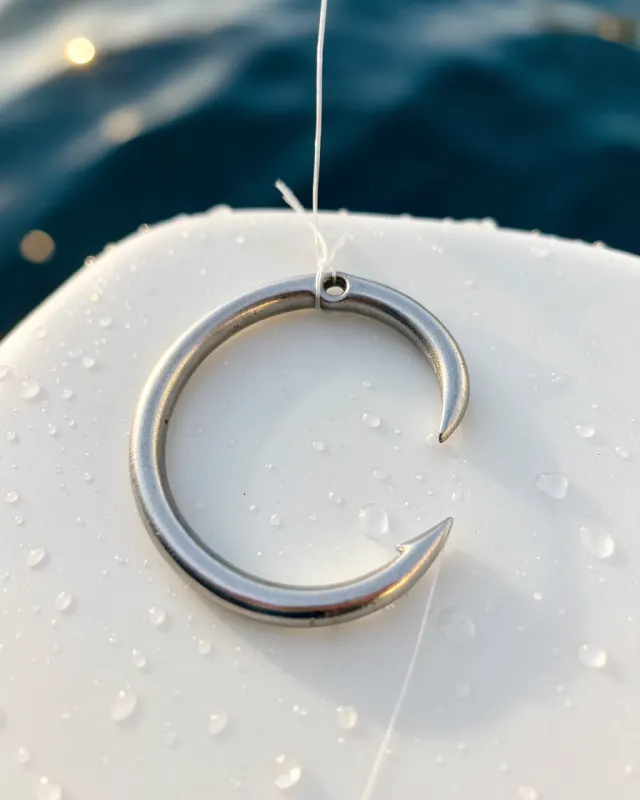
- Catch and release only (INCOPESCA, 2014); circle hooks with natural bait
- No fishing
- Santa Rosa National Park (Bat Islands) and Las Baulas National Marine Park
Part of our complete guide: Fishing in Guanacaste: the complete guide
The short answer
Guanacaste is one of the best places in Costa Rica to catch a roosterfish, and you don't need to go far to do it. The fish live right along the rocky shore, around the islands and points of the Gulf of Papagayo, the Catalina Islands off Flamingo and the quiet coast near El Jobo, and most are caught on half-day trips of about 4 hours. Our complete guide to fishing in Guanacaste covers the whole region; this page goes deeper on the one fish that defines its inshore fishing.
Roosters are here all year. They're at their best from about January to April, which is handy, because those are also the months of the Papagayo winds, when rough water offshore sends most boats in close to the rocks. Every roosterfish caught in Costa Rica is released.
The fish in a few lines
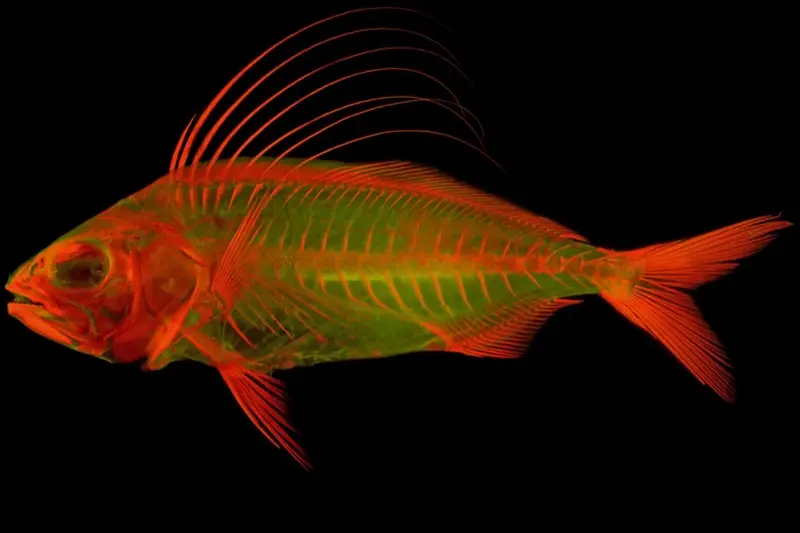
The roosterfish (Nematistius pectoralis, pez gallo in Spanish) is the only member of its family. MarViva's guide describes a long, flat silvery body with 4 dark bars and a dorsal fin of 7 long spines, the "comb" it raises when it's excited. It lives only in the Eastern Pacific, from California to Peru, in shallow water mostly less than 20 m deep.
How big do they get here? FishingBooker's Guanacaste page puts the typical fish at 20 to 40 lb, and FECOP says fish of 40 to 60 lb aren't unusual on Costa Rica's Pacific coast. The all-tackle world record, 114 lb, came from La Paz, Mexico, in 1960, and it still stands. For the full species profile, see our page on roosterfish in Costa Rica.
Two pieces of research matter to anyone who catches one. A 2015 study tracked 7 roosters after release off Central America for up to 28 hours: all 7 survived, stayed near shore in less than 100 m of water, and spent over 90% of their time between the surface and 12 m. And an IGFA-funded genetic study, reported in 2025, found that roosterfish form separate local populations with very little mixing between them, including fish sampled in Costa Rica. In plain terms, the roosters on your local rocks are largely a home team, and each one released keeps that stretch of coast fishing.
When to go: roosterfish month by month
Our season chart rates January to April best for roosterfish and every other month good. That matches what the dry season does to the fishing: boats spend more time inshore, the water is often clear, and baitfish crowd the rocks.
Not every local source agrees on the peak. A Coco booking agency names May to August, and FishingBooker's 2026 Tamarindo guide says roosters bite best from April to September. What everyone does agree on is that they're caught in every month, and the recent dated reports on Guanacaste booking pages run from March and August 2026 to a Flamingo trip on November 10, 2026.
| Month | Roosterfish | What the sea is doing | Notes |
|---|---|---|---|
| January | Best | Windy, dry, often clear water | Morning half days inshore |
| February | Best | Windiest month, cooler water | Fish the lee of headlands |
| March | Best | Windy, dry | Strong winds can stir the water up |
| April | Best | Winds easing, hot | A good all-round month |
| May | Good | Rains begin, calmer seas | Offshore opens up too |
| June | Good | Rainy afternoons | Early starts beat the rain |
| July | Good | Rainy afternoons | Flamingo Rodeo has a rooster division |
| August | Good | Rainy afternoons | Big fish reported on Tamarindo trips |
| September | Good | Wettest stretch | River mouths run brown after storms |
| October | Good | Wettest stretch | Watch the weather |
| November | Good | Rains ending | Winds not yet blowing |
| December | Good | Dry, winds starting | Busy holiday weeks: book ahead |
Wind is the one thing that can spoil a dry-season rooster trip. Capt. Skeet Warren, writing about Flamingo in 2019, said inshore fishing holds up well until the wind blows hard enough to dirty the water. On those days, crews look for the calm side of a point or run south. Our guide to the Papagayo winds explains the pattern.
Where Guanacaste crews find roosterfish
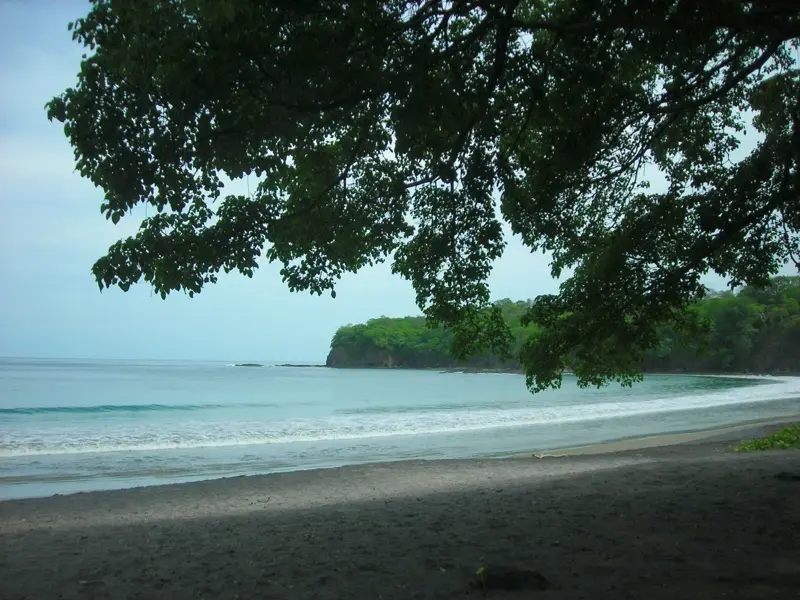
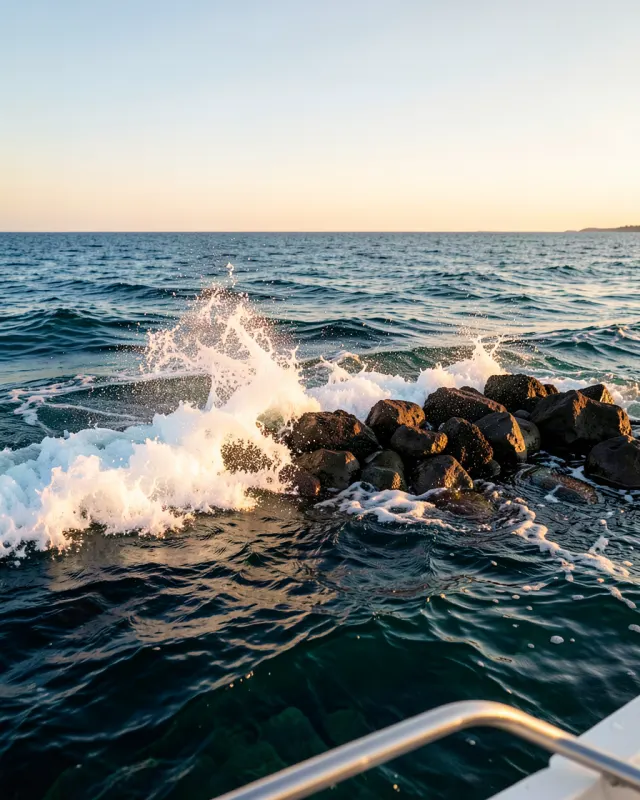
Roosters like structure next to moving water: rocky points, small islands, reefs, river mouths and the edges of beaches where baitfish get pinned against the shore. Guanacaste has all of that from the Nicaraguan border down to Tamarindo.
| Area | Where boats leave from | Why roosters are there | Good to know |
|---|---|---|---|
| El Jobo and Santa Elena | Playa El Jobo | Quiet rocky coast with little pressure | The Bat Islands nearby are a no-fishing park |
| Gulf of Papagayo | Playa Hermosa, Coco, Marina Papagayo | Points, islets and coves close to the boats | Most boats and the shortest runs |
| Ocotal to the Catalinas | Ocotal, Coco, Potrero, Flamingo | Rocky islets in clear water | Keep clear of dive boats |
| Flamingo to Tamarindo | Flamingo, Tamarindo | Rocky points between the beaches | Stay outside Las Baulas park |
The far north: El Jobo and Santa Elena
This is the emptiest water in Guanacaste. In the 2026 study of Pacific fishing captains, every fisher interviewed in Cuajiniquil and El Jobo named roosterfish as a target, more than any other species. Only a couple of sport charters work here, so book ahead. Just to the west, the Bat Islands and the Santa Elena coast are inside Santa Rosa National Park, where all fishing is banned, so captains fish the open coast outside it.
The Gulf of Papagayo
The gulf, from Culebra Bay and Playa Panamá down past Playa Hermosa and Coco, has the most boats and the shortest runs. INCOPESCA's 2021 management plan for the gulf lists Palmares, Ocotal and Penahuaste among its fishing spots, and 2026 rooster reports on Papagayo booking pages mention surface strikes around Palmares, Penahuaste and other rocky spots in the gulf. Papagayo Fishing, based in Coco, says on its rooster page that fish here are usually found in water about 20 feet deep.
Ocotal and the Catalina Islands
The Catalinas, a chain of rocky islets off Flamingo and Potrero, are the best-known rooster ground in the region. In the same INCOPESCA plan, local fishers named the Catalinas as the source of over 80% of recorded catches in the gulf area, mostly snapper. Boats from Flamingo, Potrero, Ocotal and Coco all fish them for roosters, jacks and amberjack.
The Catalinas are also one of Costa Rica's busiest dive sites (see our guide to diving the Catalina Islands). The management plan asks fishing boats to stay 200 m from a dive site there, and no more than 4 boats per site. Good captains already do this; it's worth knowing why your boat moves on when a dive boat arrives.
Flamingo to Tamarindo
South of Flamingo, rocky points break up the beaches toward Tamarindo. FishingBooker's 2026 Tamarindo guide lists the rocks around Isla Capitán, in Tamarindo Bay, and the estuary edges for roosters. It also mentions Playa Grande and Langosta, but the sea off those beaches belongs to Las Baulas National Marine Park, where fishing is banned, so leave them to the turtles and surfers.
How Guanacaste crews catch them
Slow-trolling live bait
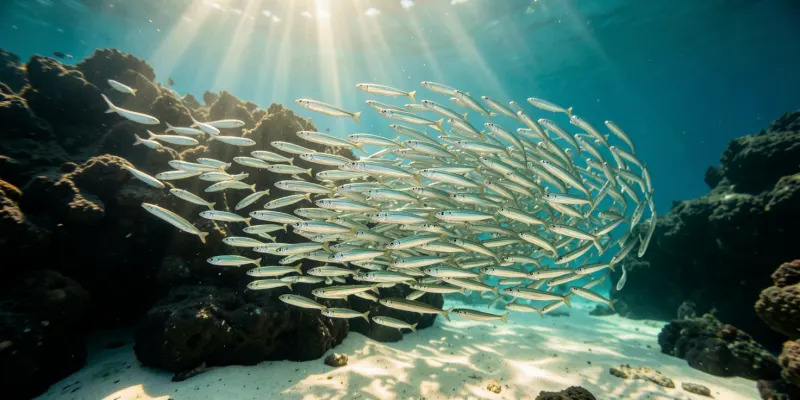
This is how most roosters are caught here. The crew catches or buys small live baitfish in the morning (Guanacaste reports mention bonito and other small fish), then pulls one slowly along the rocks and the edge of the surf. When a rooster comes up behind it, you'll often see the comb cut the surface before it eats. Live bait is also how the big ones are usually caught. Costa Rican rules require circle hooks whenever natural bait is used, which also tends to hook the fish in the corner of the mouth.
Poppers and stickbaits
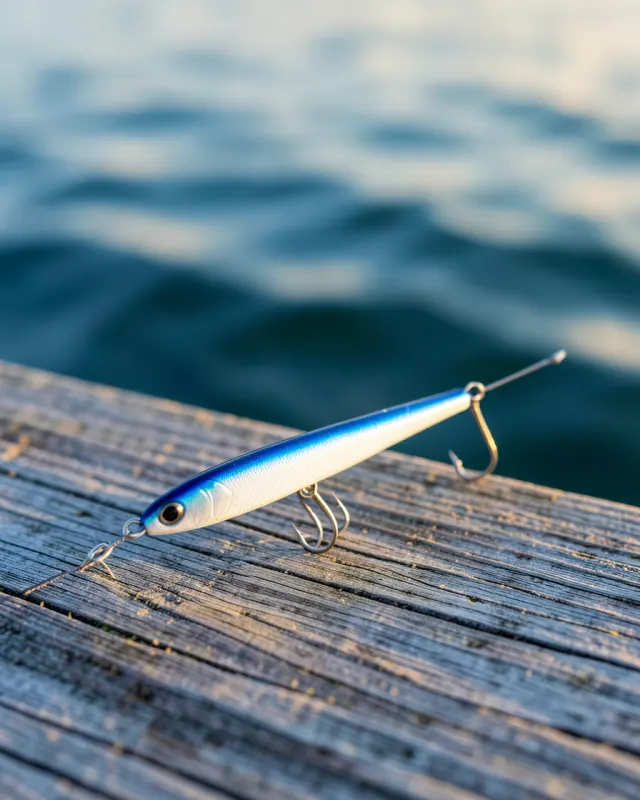
Casting topwater lures at the rocks is the more active way to fish, and some anglers come just for it. You throw a popper or a long stickbait tight to the structure and work it back fast; a rooster chasing a lure across the top is one of the best sights in inshore fishing. Expect to cast a lot for each fish. Bring your own spinning gear if you have a favourite, but most crews supply it. For how these methods work in general, see our guide to fishing techniques in Costa Rica.
Fly fishing
Roosters on fly are a classic challenge. The usual method is teasing: the crew pulls a hookless teaser or a live bait to bring a fish close to the boat, then you make the cast. A few Guanacaste outfits advertise fly trips, including Papagayo Fishing in Coco. Ask how much fly experience the captain has before you book.
From shore
Roosters do come within casting range of the beach, especially early in the morning near rocky points. It's a game of patience, and a boat gets you to far more fish, but a popper and a dawn walk along a rocky beach are worth a try on a rest day. Remember that a licence is required to fish from shore too.
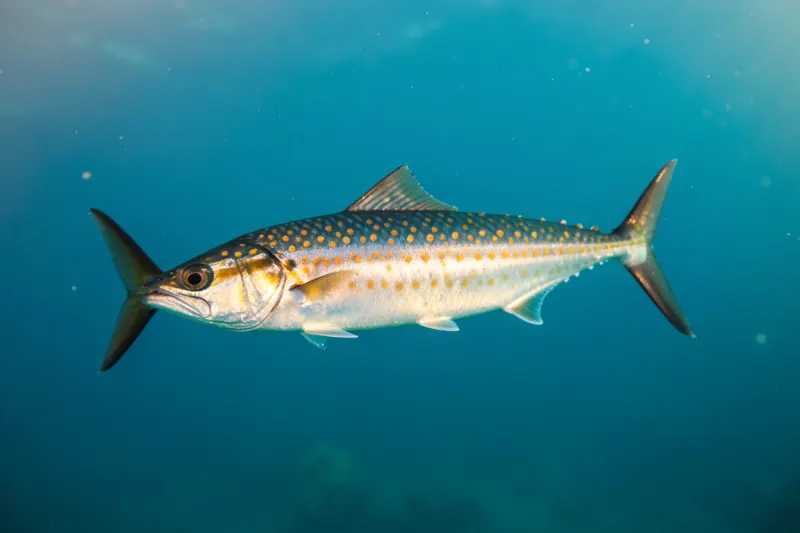
Expect company. A rooster trip also turns up jack crevalle, Sierra mackerel, snapper and the odd amberjack, and the crew will usually let you keep a snapper or a mackerel for dinner.
The rules and releasing a rooster well
Costa Rica added roosterfish to its list of species of special interest for sport fishing in 2014, through INCOPESCA's board agreement AJDIP 086. That puts them alongside sailfish, marlin and tarpon: they're released, and they can't be sold. INCOPESCA's 2021 plan for the Gulf of Papagayo also names roosterfish among the species it wants managed for conservation. The full set of rules, including the licence everyone needs, is in our guide to Costa Rica fishing rules.
Handling makes the difference between a fish that swims off and one that doesn't. FECOP's advice is short: take your photo quickly and get the fish back in the water, because big roosters suffer most out of it. In practice:
- Keep the fish in the water while the hook comes out if you can.
- Support it under the belly with both hands for a photo; don't hold it up by the jaw or the gills.
- Have the camera ready before the fish comes aboard.
- Hold it facing forward in the water until it kicks away on its own.
Why it matters goes beyond one fish: with local populations that barely mix, a stretch of coast that loses its roosters may not get them back soon. More in our guide to conservation and catch and release.
Captains who fish for roosters
These Guanacaste crews advertise roosterfish trips and showed recent activity when we checked their websites or booking pages in November 2026. Nobody pays to be listed, and this isn't a ranking; the full list of every business in the zone is in our Guanacaste guide.
El Jobo Sport FishingEl Jobo
Capt. Jose runs a center console from Playa El Jobo near La Cruz, the closest boat to the far north's quiet water. It's new to online booking, with few reviews so far, so ask plenty of questions; the booking page says the charter covers your licence.
Capitan Mendez Fishing ChartersPlaya Hermosa
Capt. Juan Carlos Méndez runs a 30-foot panga, a good size for working close to the rocks. Its booking page has hundreds of reviews and roosterfish trips logged in March 2026.
Papagayo FishingPlayas del Coco
A family company led by Capt. José Méndez, with small center consoles for inshore days and hotel-beach pickups around the gulf. It has a dedicated roosterfish page and also offers fly trips.
Sport Fishing El Gato IIIFlamingo
Capt. Luis Sandi's 26-foot custom center console is quick to the Catalinas. A guest reported a roosterfish and a green-barred snapper on a 5-hour morning trip on November 10, 2026, on its booking page. Live bait is available at the start of the trip.
Sea Breeze Fishing and AdventuresTamarindo
Two small center consoles, meeting guests at El Chiringuito on the beach. It has about 480 reviews on its booking page, takes part in Gray FishTag Research's tagging program, and releases roosterfish.
Capullo Sport FishingTamarindo
Alongside its 36-foot Topaz, Capullo runs a 22-foot Boston Whaler for up to 3 anglers, the kind of small boat that suits a rooster morning along the points.
Planning your roosterfish day
- Go early: most rooster trips leave early in the morning. The bait is fresh, the light is good for spotting fish, and you're back around midday.
- A half day is usually enough: 4 hours covers the nearby rocks. Book a full day if you want to try the Catalinas and offshore in one trip, or to fish the far north.
- Choose a small boat: pangas and center consoles get closer to the rocks than big sportfishers.
- Pick your base: Coco and Hermosa put you minutes from the gulf's points; Flamingo is closest to the Catalinas; Tamarindo works if you're staying there. Each has its own guide: Playas del Coco, Playa Flamingo and Tamarindo.
- Keep a spare day: in February and March, a strong wind can cancel even an inshore trip.
- Ask about the licence: some crews include it; otherwise buy it online before you go.
For everything else about fishing this coast, from marinas to tackle shops, head back to our complete Guanacaste fishing guide.
Frequently asked questions
When is roosterfish season in Guanacaste?
Roosters are caught all year. Our season chart rates January to April best, though some local captains prefer the calmer months from April to August.
Can I keep a roosterfish?
No. Since 2014, roosterfish have been a catch-and-release species in Costa Rica, and they can't be sold. Keep a snapper or a mackerel for dinner instead.
Where's the best roosterfish spot in Guanacaste?
The Catalina Islands are the best known, but the points of the Gulf of Papagayo and the quiet coast near El Jobo are just as good on their day. Your captain will pick the spot that's fishing best and most sheltered from the wind.
Is a half day enough to catch a roosterfish?
Usually, yes. Most Guanacaste rooster trips are about 4 hours, because the fish live close to where the boats leave from. A full day gives you more spots and more time if the bite is slow.
Can I fish for roosterfish at the Bat Islands?
No. The Bat Islands are inside Santa Rosa National Park, where fishing is banned. Charters from El Jobo and Coco fish the coast outside the park instead.
Charters and places in this guide

Sources
- Best practices guide for tourist and sport fishing in Costa Rica (MarViva, 2023)
- FECOP sport fishing species: roosterfish
- Fishers' knowledge reveals spatio-temporal dynamics of billfish sport and tourist fisheries on the Pacific coast of Costa Rica (Berkowitz-Sklar et al., Revista de Biología Tropical, 2026)
- Post-release survival and movement patterns of roosterfish off the Central American coastline (Sepulveda, Aalbers and Bernal, Latin American Journal of Aquatic Research, 2015)
- The IGFA and the future of roosterfish (IGFA, February 2025)
- Triple-digit roosterfish measures up with world record caught in 1960 (Western Outdoor News)
- Plan de Ordenamiento Pesquero, Área Marina de Pesca Responsable Papagayo (INCOPESCA, 2021)
- AJDIP/255-2021, approval of the Papagayo Responsible Fishing Marine Area (INCOPESCA)
- Guanacaste roosterfish fishing charters and reports (FishingBooker, 2026)
- Tamarindo fishing: the complete guide (FishingBooker, March 2026)
- Flamingo report, November 2019 (Capt. Skeet Warren, Coastal Angler)
- Fishing seasons (Sport Fishing Blue Marlin, Playas del Coco)
- Rooster fishing in the Gulf of Papagayo (Papagayo Fishing)
- Capitan Mendez Fishing Charters (FishingBooker)
- Sport Fishing El Gato III (FishingBooker)
- Sea Breeze Fishing and Adventures (FishingBooker)
- El Jobo Sport Fishing (FishingBooker)

