
Fishing from Playas del Coco
Playas del Coco has more fishing boats than any other town in Guanacaste, over 20 charters and captains, and it's only half an hour from Liberia airport. There's no marina: boats ride on moorings and you board from the beach. Roosterfish and snapper bite around the gulf's rocks all year, best from January to April, and sailfish and marlin are best offshore from about May to December.
At a glance
- Leaves from
- Moorings in Coco Bay, boarded from the beach by tender or a short wade
- Fleet
- Over 20 charters and captains, from 20-foot pangas to 38-foot sportfishers
- Inshore
- Roosterfish, snapper, jacks, amberjack, sierra mackerel
- Offshore
- Sailfish, blue and black marlin, dorado, yellowfin tuna, wahoo
- Best billfish months
- About May to December (sailfish peak May to August)
- Best roosterfish months
- About January to April, caught all year
- Windy months
- About December to March (Papagayo winds)
- Getting there
- About 30 minutes from Liberia airport (LIR)
- Tackle
- Coco's Fishing Shop, Plaza del Coco
Part of our complete guide: Fishing in Guanacaste: the complete guide
The short answer
Playas del Coco is one of the oldest beach towns in Guanacaste, and it's still a working fishing port. It has the biggest small-boat fleet in the region: we counted over 20 charters and captains, from 20-foot pangas built for working the rocks to 38-foot sportfishers for long days offshore. It's also only about half an hour from Guanacaste Airport in Liberia, so you can land in the morning and fish the same afternoon.
There's no marina. Boats ride on moorings in the bay, and you board from the beach, usually with a short wade or a ride in a small tender. In return you get choice, local captains who grew up fishing this gulf, and a run to the fish that's short by Costa Rican standards.
Roosterfish, snapper and jacks bite around the gulf's rocky points all year, best from January to April. Sailfish and marlin are best offshore from about May to December. From December to March, the Papagayo winds push most boats inshore in the afternoons. For the whole region, see our complete Guanacaste fishing guide.
Boarding a boat in Coco
The bay at Coco is wide and shallow, with sportfishing boats, dive boats and local pangas all on moorings. Here's how a morning usually starts:
- Meet on the sand. Each crew has its own spot on the beach, and it varies, so confirm it the night before.
- Get to the boat. On a calm morning you'll wade out to your knees; otherwise a tender runs you out. Wear sandals or water shoes, and keep phones and cameras in a dry bag.
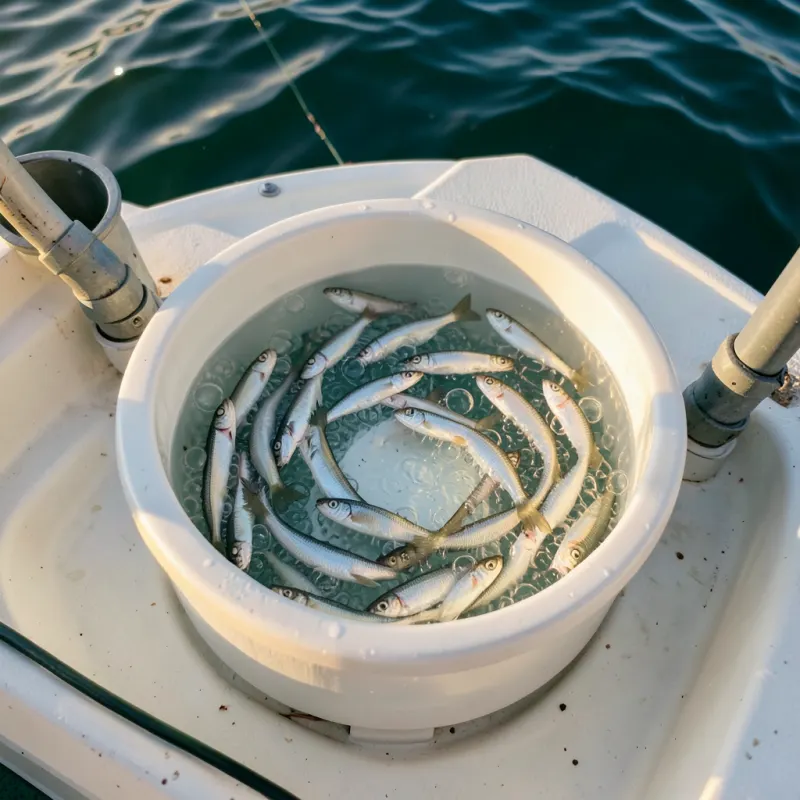
- Load up and go. The crew has already bought ice, bait and drinks, and the first stop is often a bait spot to catch live sardines or blue runners.
Coco crews are mobile. Many pick up at other beaches around the gulf, from Playa Hermosa and the Papagayo Peninsula resorts down to Ocotal and Flamingo, usually for a little more. Marina Papagayo, a short drive north on the Papagayo Peninsula, is the nearest place to board at a dock (see our guide to fishing from the Papagayo Peninsula).
A real marina may come to Coco one day. In January 2025 a national commission cleared the technical requirements for Marina del Coco, a planned 299-berth marina with fuel and an ice plant, and its backers said building would take 3 to 5 years. For now, Coco remains a beach-boarding town.
Who to fish with
Coco's fleet runs from family-owned pangas to multi-boat companies and booking agencies that place you with local captains. We picked these on evidence: years on the water, many recent dated reviews, clear boat and crew details, and a stated release policy. We opened each one's website or booking page in November 2026. Nobody pays to be here.
Papagayo Fishing Playas del Coco
A family company led by Capt. José Méndez, with boats from small center consoles to a 33-foot Pursuit and a 38-footer, and pickups at hotel beaches around the gulf. Its website shows guest reviews through July 2026 and has a page just for roosterfish.
Sea Star CR Playas del Coco
A local fishing family with a 26-foot Robalo center console and a 31-foot sportfisher. Capt. Ronald runs the boat and the owner handles bookings in English and Spanish. It has over 200 reviews across its listings, the latest for an August 2026 trip, and the booking page says sailfish and roosterfish are released.
Capitan Mendez Fishing Charters Playa Hermosa
Capt. Juan Carlos Méndez was born and raised in Coco and runs a 30-foot panga just up the coast. It's one of the most-reviewed boats in the region, with over 300 reviews on its booking page and trips into mid-2026, and the listing says every billfish and roosterfish is released. Pickups in Coco can be arranged.
The full list of Coco boats, with links, is in the Guanacaste guide's business table. Whoever you choose, ask:
- whether you'll board from the beach or be picked up somewhere else;
- whether the INCOPESCA licence is included (there's no office near the beach, so buy it online if not);
- what's on board: shade, a toilet, drinks, lunch;
- what happens to fish you keep.
What's biting, and when
This follows our national season chart.
| Months | Inshore | Offshore | What it's like |
|---|---|---|---|
| January to April | Roosterfish at their best, jacks, snapper | Sailfish and marlin good on calm days | Windy and dry, cool clear water |
| May to August | Roosterfish, snapper | Sailfish at their peak, blue marlin, yellowfin and wahoo best | Calm mornings, afternoon rain |
| September to November | Snapper, roosterfish, jacks | Blue marlin, dorado at their best | Wettest months, mostly calm seas |
| December | Roosterfish, snapper | Blue marlin, dorado, sailfish | Dry again, winds starting |
A few notes:
- Sailfish: FECOP puts the northern peak at May through December; July and August are the safest bet.
- Dorado: best from about July to December. The all-tackle world record dorado, 87 pounds, came out of the Gulf of Papagayo in 1976.
- Tuna and wahoo: best from May to August. See yellowfin tuna and wahoo.
Inshore: roosterfish water at the door
The coast north and south of Coco is all rocky points, islets and reefs, which is just what roosters like. INCOPESCA's 2021 management plan for the gulf names local fishing spots including Palmares, Ocotal and Penahuaste, and Coco crews fish them on the short half days that are the town's specialty. Our roosterfish in Guanacaste guide covers the spots in detail.
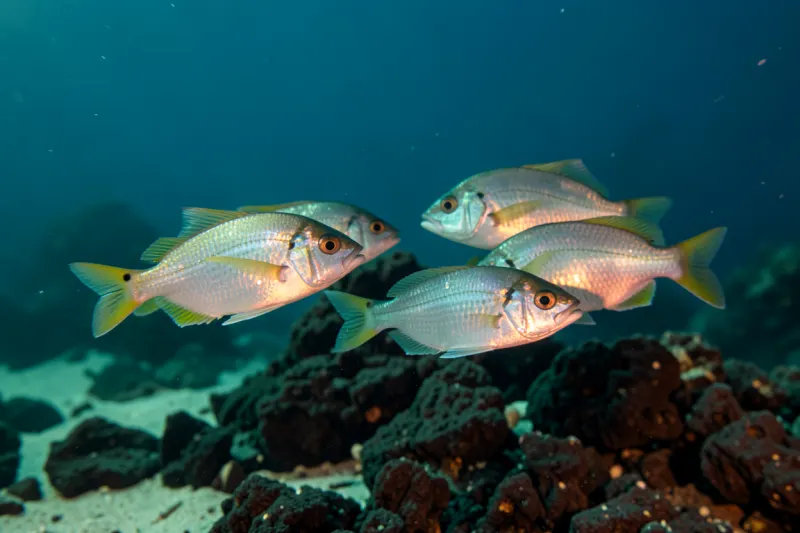
A typical inshore trip runs about 4 hours. The crew catches live bait first, then slow-trolls it along the rocks or lets you cast poppers and stickbaits into the wash. Alongside the roosters you'll meet jack crevalle, sierra mackerel and, over the reefs, amberjack and big snapper, including the hard-fighting Pacific cubera. Many Coco boats also run south past Ocotal to the Catalina Islands, where the water is often clear and the snapper fishing strong.
Offshore: a short run to blue water
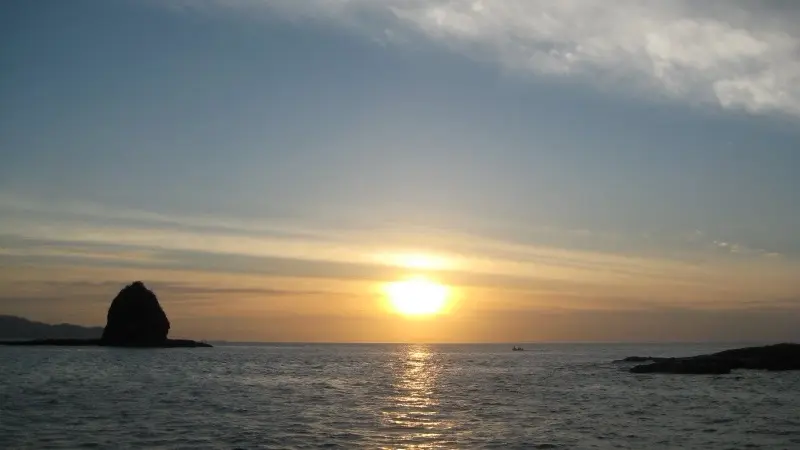
When the sea is calm, Coco's sportfishers don't have far to go. Northern captains reported trips averaging about 13 nautical miles out in a 2026 study of the Pacific billfish fishery. Crews troll teasers and lures along current lines and weed, then pitch a bait on a circle hook when a sailfish or marlin rises. Dorado, yellowfin and wahoo come on the same spread.
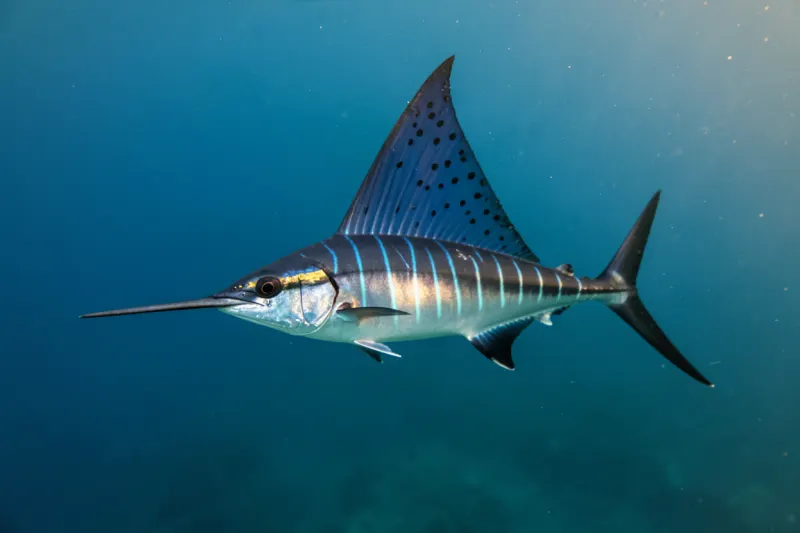
A half day can reach the billfish when they're close; when they're farther out, book a three-quarter or full day. Every billfish is released in the water. Our guide to how a billfish is released properly shows what good crews do.
The Papagayo winds
Coco sits in the path of the Papagayo winds, which blow from about December to March and are strongest in February and March. They kick up a short, steep chop offshore, especially after midday, and cool the water as colder water rises from below.
The good news: roosterfish fishing is often at its best in exactly this season, and the gulf's coves give plenty of shelter. Book morning trips, plan on fishing inshore, and keep a spare day if an offshore run matters. Our guide to how the Papagayo winds change the fishing explains it all, and notes that Flamingo and Tamarindo, farther south, are often calmer, so if you're set on offshore days in February, it's worth looking at Flamingo too.
Rules and protected water
The national rules apply: everyone fishing from a boat needs an INCOPESCA licence, sailfish, marlin and roosterfish are released, natural bait goes on circle hooks, and sport catches can't be sold. Our Costa Rica fishing rules guide has the details.
North of Coco, the Bat Islands and the coast of the Santa Elena peninsula lie inside Santa Rosa National Park's marine sector, where fishing is prohibited in any form. Coco's dive shops run trips there for bull sharks (see our guide to diving the Bat Islands), but fishing boats stay outside the park. The Catalina Islands, to the south, are busy dive sites too, and INCOPESCA's gulf plan asks fishing boats to keep 200 m from divers. For why it matters, see conservation and catch and release.
Bait, tackle and eating your catch
Charters supply rods, reels, tackle and bait, so most visitors never need a shop. If you want to fish from shore or need a spare part, Coco's Fishing Shop at Plaza del Coco sells rods, reels, tackle and bait, and the owner will set up a rod for visitors. Ferremar in Playa Hermosa also stocks tackle. Supermarkets and gas stations sell bagged ice. Our bait and tackle guide covers what to bring from home.
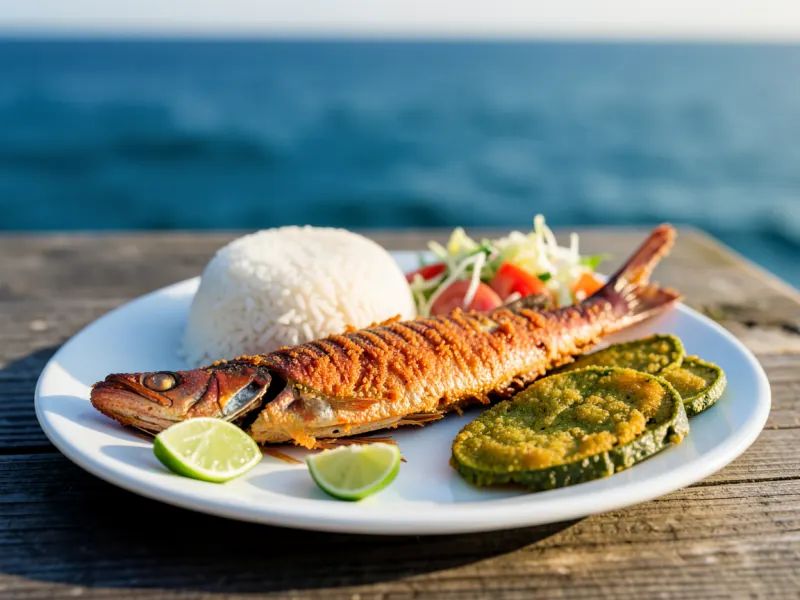
On eating your catch, we couldn't confirm with 2025 or 2026 evidence any Coco restaurant that currently cooks fish guests bring in, so we're not naming one. Here's how it works instead: ask the crew to fillet a dorado, tuna or snapper on the way back and bag it on ice. If you're in a condo, grill it. Otherwise ask a restaurant ahead of time whether it will cook your fish, and agree on how.
Staying in Coco and getting there
Coco has small hotels and hostels near the beach, condos on the hills around the bay, and quieter options at Ocotal, a few minutes south, and Playa Hermosa, just north. Staying near the beach makes early starts easy, and the town has plenty of places to eat.
From Liberia airport, Coco is about 30 minutes by car or shuttle; from San José, allow 4.5 to 5 hours by road. Local buses run between Coco and Liberia through the day. Because the airport is so close, Coco is the most practical base for a short trip, and you can fish on your first or last day without losing much time. For a packing list, see what to bring on a charter, and for the rest of the trip, planning a Costa Rica fishing trip.
If the wind is up, Coco's dive shops make an easy switch: the Catalinas for manta rays, most common from about January to April (see diving the Catalina Islands), or the Bat Islands for bull sharks.
Where to stay near Playas del Coco
Live prices from Booking.com, Expedia, Hotels.com and more.
Frequently asked questions
Where do fishing boats leave from in Playas del Coco?
From moorings in the bay. You meet the crew on the beach and wade or take a tender out. Some Coco crews also pick up at other beaches, and the nearest dock boarding is at Marina Papagayo, a short drive north.
When is the best time to fish in Playas del Coco?
For sailfish and marlin, about May to December, with July and August the most reliable. Roosterfish are caught all year and are at their best from January to April.
How far is Playas del Coco from Liberia airport?
About 30 minutes by car or shuttle, which makes it the easiest fishing town to reach in Guanacaste.
Is a half day long enough?
For roosterfish and snapper, yes: 4 hours covers the nearby rocks. For billfish, a half day can work when they're close, but a three-quarter or full day gives the crew more room.
Can I combine fishing and diving in Coco?
Yes. Coco has both fishing charters and dive shops, and the Catalina Islands and Bat Islands are classic dive trips from here. You can't fish at the Bat Islands, though: they're inside a national park.
Charters and places in this guide

Peninsula Papagayo · marinaMarina PapagayoMarina Papagayo is a full-service marina on Culebra Bay, on the Peninsula Papagayo in northern Guanacaste. It has 180 berths for…Beyond fishingDiving the Bat Islands (Islas Murciélago): Bull Sharks off Santa RosaThe Bat Islands (Islas Murciélago) are a group of rocky islands in the protected marine sector of Santa Rosa National Park, in…Where this comes from
- Costa Rica fishing by region (FECOP)
- Billfish angler's guide to Costa Rica (Todd Staley, FECOP)
- Fishers' knowledge reveals spatio-temporal dynamics of billfish sport and tourist fisheries on the Pacific coast of Costa Rica (Revista de Biología Tropical, 2026)
- Plan de Ordenamiento Pesquero, Área Marina de Pesca Responsable Papagayo (INCOPESCA, 2021)
- El Coco, en Carrillo, será sede de la séptima marina en Costa Rica (El Observador, January 2025)
- Marina Papagayo (official site)
- Papagayo Fishing (official site)
- Sea Star CR (FishingBooker)
- Capitan Mendez Fishing Charters (FishingBooker)
- Coco's Fishing Shop (Facebook)
- Sector Marino, Área de Conservación Guanacaste (ACG)
- Playas del Coco (Wikipedia)
- Bat Islands, Santa Rosa National Park (Wikipedia)


