
Los Sueños and Pez Vela tournaments explained
Formats, the Triple Crown, scoring and release
The Los Sueños Triple Crown is a 3-leg series for boats based at Los Sueños, scored at 100 points a sailfish and 500 a marlin, with an observer on every boat. The Marina Pez Vela events in Quepos are run by different organisers, prove releases on video, and most now split boats into sonar and non-sonar divisions with different points.
At a glance
- Los Sueños Triple Crown
- 3 legs of 3 fishing days, January to early April
- Triple Crown points
- sailfish 100, marlin and spearfish 500
- Triple Crown checks
- an observer aboard every boat
- Pez Vela checks
- one unbroken video per release, due by 7 or 7:30 pm
- OWC points
- sailfish 200 (140 with omni sonar), marlin 500 (350)
- Boundary at Pez Vela events
- 50 nautical miles from the marina
- Billfish
- released in the water; tuna and dorado weighed at the dock
The short answer
Costa Rica's big billfish tournaments happen at 2 marinas on the Central Pacific, a little over an hour's drive apart, and they work in different ways. At Marina Pez Vela in Quepos, a string of separate organisers run open events from November to June, and every release has to be proved on video. At Los Sueños in Playa Herradura, one series dominates: the Signature Triple Crown, 3 legs for boats with a slip in the marina, with an observer riding on every boat.
Both sides share the basics. Billfish are released in the water, points are scored per release, and tuna and dorado are weighed at the dock. Our guide to Costa Rica fishing tournaments has the full yearly calendar and the winners since 2016. This page explains how the events actually work: the formats, what a fish is worth, how a release is checked, and why 2 boats with the same catch can end up with different scores.
Two marinas, two styles
| Los Sueños (Playa Herradura) | Marina Pez Vela (Quepos) | |
|---|---|---|
| Main event | Signature Triple Crown, 3 legs | About 11 events a season, run by different organisers |
| Season | January to early April | November to June |
| Who fishes | Boats with a slip at Los Sueños | Visiting and local teams, private or chartered boats |
| How releases are checked | Observer on every boat | Video of each release, plus a radio call and scorecard |
| Sonar | No split published | Most big events split sonar and non-sonar boats |
| Typical points | Sailfish 100, marlin 500 | Varies by event (see below) |
The difference comes from who runs them. The Triple Crown is the marina's own series, so it fishes its own fleet under one set of rules that has hardly changed in years. Pez Vela is a host: the Pelagic Rockstar, Bisbee's, the IGFA Open and the Offshore World Championship each bring their own rule book, scoring company and style.
The Los Sueños Signature Triple Crown
The Triple Crown is the longest-running series on this coast, and the 2027 season is its 14th. It's a series of 3 tournaments, called legs, with a champion for each leg and an overall champion for the season.
Three legs, one season
The 2027 legs are 20 to 23 January, 24 to 27 February and 31 March to 3 April. Each follows the same pattern:
- Wednesday: team registration on the tournament lawn at the Beach Club in the afternoon, then the captains' meeting at 5:30 pm and a welcome dinner.
- Thursday to Saturday: 3 fishing days.
- Saturday night: awards dinner at the Beach Club.
Teams can enter a single leg or all 3. The series title goes to the team with the most points across the whole season, so a boat can win the Triple Crown without winning a single leg. That's close to what happened in 2026, when Max Bet won Leg I but Team Galati, 2nd in Leg I, 1st in Leg II and strong again in Leg III, took the title with 26,500 points to Max Bet's 25,600.
A fishing day, hour by hour
Observers collect their boat assignments at the marina office from 4:50 am and must be aboard by 5:45 am. Boats may head out from 6 am once Tournament Control confirms every observer is on board. Lines go in at 8 am and come out at 4 pm, and each boat's signed scorecard is due at the marina office by 7 pm.
The grounds off Herradura are usually 20 to 40 miles out, so the 2 hours between leaving and lines-in are mostly running time. Our Central Pacific sailfish season guide explains where the fish tend to be.
Points and rules
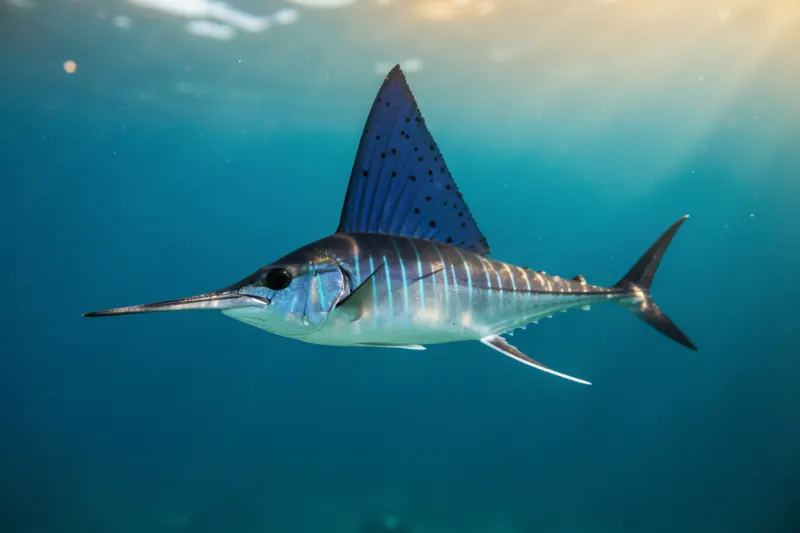
The scoring is simple and hasn't changed in years: 100 points for a sailfish, 500 for a marlin or a spearfish. Everything is release only, and the series follows IGFA angling rules. Marlin Magazine's report on the 2025 season summed up the rest:
- Baits: dead baits or lures only in the spread.
- Tackle: 50-pound class or lighter.
- Anglers: up to 5 per boat, plus one professional, so 6 in all.
- Checks: an observer on board verifies every release.
With sailfish at 100 points, the numbers on a results page are easy to read: 111 sailfish is 11,100 points, which is exactly what Team Galati scored in Leg III of 2026. A single marlin is worth 5 sailfish, which is why one late blue can turn a leg upside down.
The fleet is big and the bite can be huge. In 2016 the boats released 1,103 sailfish in a single day of Leg II, and in the final leg of 2026, 40 boats released 2,491 sailfish and 8 blue marlin in 3 days.
Ladies Only
Since 2019, Los Sueños has run a Ladies Only day during leg week, before the main tournament starts. It uses the same release format, and in 2025 Pura Vida topped it with 8,700 points.
Marina Pez Vela's tournament season
Quepos hosts more events, and they're more varied. The marina's own list for 2026 to 2027 runs like this:
| Dates | Event | What it is |
|---|---|---|
| 21 November 2026 | Dorado Derby Dos | One-day dorado event |
| 10 to 12 December 2026 | Marlin Invitational | Billfish |
| 14 to 17 January 2027 | Pelagic Rockstar Offshore | The biggest field, all release |
| 30 January 2027 | Rooster Rodeo | One day, roosterfish |
| 5 to 7 February 2027 | Flor de Caña Signature Open | Billfish, sonar and non-sonar |
| 18 to 20 February 2027 | Pescadora Billfish Championship | Women only |
| 6 March 2027 | Sailfish Slam | One day, sailfish |
| 11 to 13 March 2027 | IGFA Open | Billfish under IGFA rules |
| 6 to 10 April 2027 | Bisbee's Costa Rica Offshore | Billfish plus tuna and dorado |
| 11 to 15 April 2027 | Offshore World Championship | Invitation, world final |
| 26 June 2027 | Tuna Thunder | One day, tuna |
The one-day events are local affairs. The multi-day ones draw international fleets: the 2026 Pelagic Rockstar had 117 boats and 659 anglers from 14 countries, and they released 2,340 billfish in 2 days.
How scoring works at Pez Vela
Sonar and non-sonar
The biggest change in recent seasons is the sonar split. Omni-directional sonar lets a crew see bait and fish all around the boat, and the newest sportfishers have it while many older boats, including most of the charter fleet, don't. To keep things fair, the big Quepos events now either split the fleet into 2 divisions or give non-sonar boats more points per fish:
| Event | Sailfish or spearfish | Marlin |
|---|---|---|
| Offshore World Championship, non-sonar | 200 | 500 |
| Offshore World Championship, omni sonar | 140 | 350 |
| Bisbee's Costa Rica Offshore, non-sonar | 130 | 390 |
| Bisbee's Costa Rica Offshore, sonar | 100 | 300 |
| Los Sueños Triple Crown (for comparison) | 100 | 500 |
The Pelagic Rockstar and the Flor de Caña event run separate sonar and non-sonar divisions with their own winners. At the OWC, sonar can't be switched on before lines-in and must be off within 15 minutes of lines-out, and a sonar boat can't turn its unit off to claim non-sonar points.
Hook your own, or hook and hand
Under IGFA rules, the angler must hook the fish, fight it and bring it to the leader without help, and nobody else may touch the rod. That's the standard at the OWC, where "hook and hand" is banned outright. Some events also have a hook-and-hand category, where the crew may hook the fish and hand the rod to the angler. Pescadora, the women's championship, gives top awards in both: in 2025, 45% of its 1,741 releases were made under IGFA rules, up from 12% in the first year.
Tuna and dorado
Gamefish divisions are weighed, not released. At the OWC, dorado, yellowfin and bigeye tuna must weigh at least 20 lb, each team may weigh 2 of each per day, and points rise with size: 1 point a pound under 100 lb, 1.5 a pound from 100 lb, and 2 a pound from 200 lb. Bisbee's sets a 40 lb minimum for tuna and 20 lb for dorado, with tuna scoring a point a pound.
Ties
The usual rule is time. At the OWC, if 2 teams finish level, the one that reached the total first, by official release time or weigh-in time, wins. The 2022 Triple Crown was settled the same way, with Rum Runner ahead of Max Bet on time.
How a release is proved
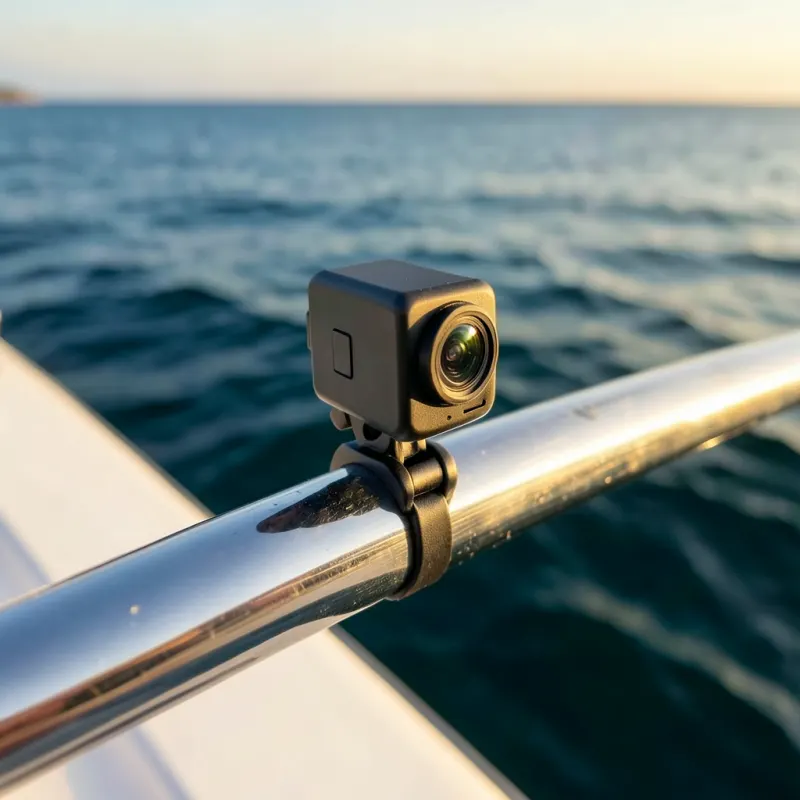
At Los Sueños the observer is the check. At Pez Vela, video does the job, and the OWC's rules are the most detailed. Each release must be shown in one unbroken clip that includes:
- The species, clearly identifiable.
- The leader or swivel at the rod tip, or a crew member touching the leader while the fish is still hooked.
- The date and time, matching the radio log.
- That day's catch control card.
- The release itself: the line cut, the hook removed or the fish swimming free.
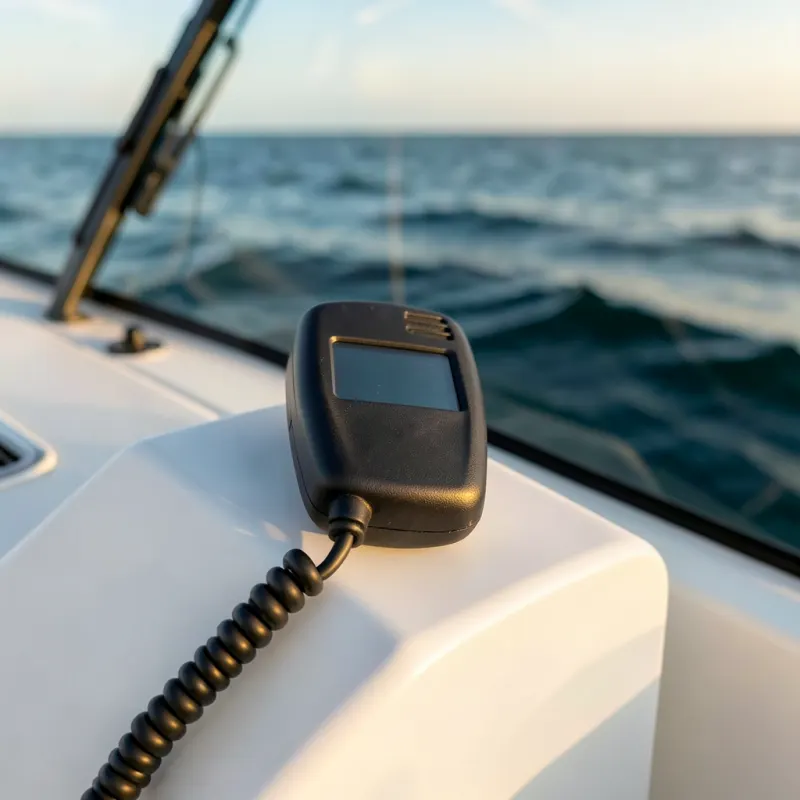
Every release is also called in by radio to Tournament Control with the team number, angler number and species, and the official time is Tournament Control's. Teams film their boat name and team number on every camera before leaving the dock, list each release on a catch affidavit signed by the anglers and captain, and hand everything in by 7 pm, in person at the Pez Vela weigh station or online through CatchStat, the scoring service most Quepos events use. Bisbee's deadline for videos and scorecards is 7:30 pm.
A fish still hooked at lines-out can be fought to the end, but the boat must tell radio control when the fight ends. Hookups in the last 15 minutes must be called in at once.
Boundaries and fishing hours
| Event | Lines in | Lines out | Boundary |
|---|---|---|---|
| Los Sueños Triple Crown | 8:00 am | 4:00 pm | Set by the tournament |
| Offshore World Championship | 7:30 am | 3:30 pm | 50 nautical miles from Marina Pez Vela |
| Bisbee's Costa Rica Offshore | 6:30 am (shotgun start) | 4:00 pm | 50 nautical miles from the Pez Vela jetty buoy |
| Pelagic Rockstar | Not published yet for 2027 | 50 nautical miles |
At the OWC, boats can leave from any Pacific marina in Costa Rica as long as they fish inside the circle, and GPS tracks must be kept until 24 hours after the last lines-out. A boat caught outside the boundary loses that day's catch. Bisbee's also lets boats from Los Sueños fish, with their gamefish weighed at Pez Vela on return.
The law behind the rules
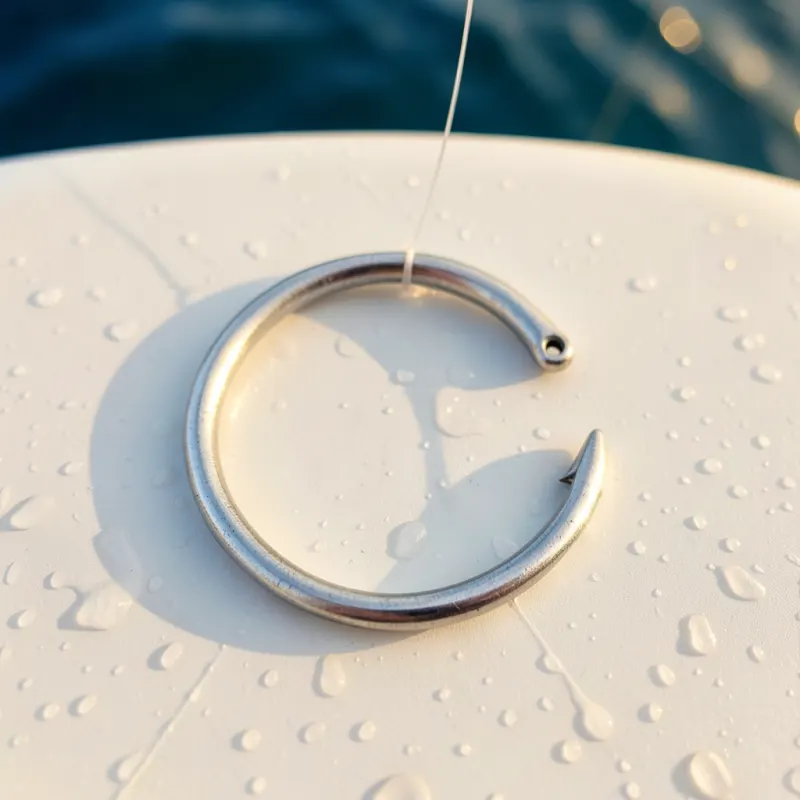
These formats grew out of Costa Rican law as much as fishing tradition. Sailfish and marlin are species of sport-fishing interest, and they're released in the water. INCOPESCA's agreement AJDIP/280-2014 bans lifting a billfish aboard for photos or gaffing it alongside, with an exception for fish weighed in a tournament that INCOPESCA has approved, but the big Central Pacific events don't use it: they're release only. Circle hooks are required whenever natural bait is used for billfish, which is why the OWC allows bait only on non-offset circle hooks and keeps J-hooks for artificial lures.
Tournaments also need INCOPESCA's permission. Under the rules updated in AJDIP/244-2022, an organiser must apply to the National Sport and Tourist Fishing Commission at least a calendar month before the event, and file a results report afterwards. Approvals require every angler to carry an INCOPESCA sport fishing licence. Our Costa Rica fishing rules guide covers the licence and release laws, and how a billfish is released properly explains the handling the cameras are there to record.
Reading a results page
Tournament reports use a few terms that aren't obvious:
- Leg: one tournament in a series. The Triple Crown has 3.
- Release points: the score from billfish, set by species and, at some events, by sonar division.
- Top angler, top lady angler, top junior angler: individual awards for the most release points, often under strict IGFA rules.
- Jackpots: optional side pots that teams can enter by day or by species. We don't cover the money, but they're why some reports list a boat that didn't win the tournament as the biggest earner.
- Meat fish or gamefish: tuna and dorado, which are weighed.
If you're thinking of fishing one yourself, our guide to fishing a Costa Rica tournament as a visitor covers entering, chartering a boat and the paperwork. For the full calendar and past winners, go back to the Costa Rica fishing tournaments guide.
Frequently asked questions
How many points is a sailfish worth in a Costa Rica tournament?
At the Los Sueños Triple Crown, 100 points, with 500 for a marlin. At the Offshore World Championship, a sailfish is worth 200 points for a non-sonar boat and 140 for a boat using omni sonar. Bisbee's uses 130 and 100.
Can any boat fish the Los Sueños Triple Crown?
The organisers invite boats with a slip at Safe Harbor Los Sueños. Teams can enter one leg or the whole series using the entry form on the tournament site.
How do Costa Rican tournaments check a release without killing the fish?
Los Sueños puts an observer on every boat. The Marina Pez Vela events use video: one unbroken clip per release showing the species, the leader at the rod tip, the time and the day's catch card, plus a radio call to Tournament Control.
Why do some tournaments have sonar and non-sonar divisions?
Omni-directional sonar helps crews find fish, and only some boats have it. Splitting the fleet, or giving non-sonar boats more points per fish, keeps older boats and most charters competitive.
Are any fish kept in these tournaments?
Billfish are always released. Tuna and dorado can be kept and weighed in the gamefish divisions, above a minimum weight such as 20 lb at the OWC.
When do the Los Sueños Triple Crown legs take place in 2027?
20 to 23 January, 24 to 27 February and 31 March to 3 April, with fishing on the Thursday, Friday and Saturday of each leg.
Charters and places in this guide

Quepos · marinaMarina Pez VelaMarina Pez Vela is the big marina on the Quepos waterfront, on Costa Rica's Central Pacific coast, and the dock most Quepos and…
Playa Herradura · marinaLos Sueños Resort and MarinaLos Sueños is a resort community and marina on Herradura Bay, just north of Jacó on Costa Rica's Central Pacific coast. Its…Sources
- Los Sueños Signature Triple Crown, 2027 dates, schedule and entry
- Billfisher wins the 2025 Triple Crown, rules and points (Marlin Magazine)
- Team Galati seals the 2026 Triple Crown title (Marlin Magazine)
- Team Galati grabs Leg II of the 2026 Triple Crown (Marlin Magazine)
- Los Sueños Triple Crown 2016 one-day record (Marlin Magazine)
- Marina Pez Vela tournament calendar 2026 to 2027
- Offshore World Championship 2027, rules summary
- Offshore World Championship 2027, full rules
- Offshore World Championship 2026, the changes (Marlin Magazine)
- Pelagic Rockstar 10th anniversary, 2026 results and format (Pelagic)
- Tico time, Bisbee's Costa Rica Offshore format (Bisbee's)
- Bisbee's Costa Rica Offshore, 2027 schedule
- Pescadora Billfish Championship
- The Pescadora Billfish Championship continues to grow, 2025 (Marlin Magazine)
- IGFA Open 2026 results (Marlin Magazine)
- Flor de Caña tournament 2025 results (Marlin Magazine)
- Acuerdo AJDIP/280-2014, billfish handling and the tournament exception (INCOPESCA)
- Acuerdo AJDIP/244-2022, rules for approving sport fishing tournaments (INCOPESCA)


