
Sailfish season on the Central Pacific
When, where and how
Sailfish season on the Central Pacific runs from about December to April, building through late November and usually peaking in February, with boats from Los Sueños and Quepos fishing grounds 15 to 40 miles out. Every sailfish is released in the water on a circle hook, and the big tournament weeks from January to April fill the best boats first.
At a glance
- Peak season
- December to April, often best in February
- Off season
- Caught in every month, in smaller numbers from May to November
- Grounds off Los Sueños
- About 20 to 40 miles out, a 1 to 2 hour run
- Grounds off Quepos
- About 15 to 40 miles out, roughly an hour's run
- Typical size
- About 60 to 120 pounds
- Tackle
- Mostly 20 to 30 pound class, circle hooks with natural bait
- Rules
- Release only, fish kept in the water, INCOPESCA licence for every angler
- Busiest weeks
- Triple Crown legs at Los Sueños and Marina Pez Vela tournaments, January to April
Part of our complete guide: Fishing the Central Pacific: the complete guide
The short answer
Sailfish season on the Central Pacific runs from about December to April. The fish start to build in late November, the bite is usually at its strongest in February, and by May most boats are turning their attention to marlin, tuna and dorado. Sailfish never leave completely, though: crews at Los Sueños catch them in every month of the year, just not in the same numbers.
This is the coast that made Costa Rica's sailfish name, and it's the closest billfish water to San José. Almost every boat leaves from one of 2 marinas, Los Sueños at Herradura or Marina Pez Vela in Quepos, and runs 15 to 40 miles offshore to find the fish. Our complete guide to fishing the Central Pacific covers the whole zone; this page goes deeper on the sailfish months: why they happen, where the fish are, how a day on the water works, and how to book well.
When the sailfish come
The pattern is steady from year to year, even if the exact start and finish move around. Here's how a season usually unfolds off Herradura, Jacó and Quepos, in line with our site-wide season chart.
| Month | What to expect |
|---|---|
| November | Sailfish start returning; the build-up is visible by late in the month |
| December | Season under way, often with blue marlin in the mix |
| January | Strong fishing; the first big tournaments start |
| February | Usually the peak month for numbers |
| March | Still excellent; the 2026 Triple Crown's March leg was its busiest |
| April | Good, tailing off toward the end of the month |
| May to October | Sailfish in smaller numbers; marlin, tuna, wahoo and dorado take over |
Adventure Tours Costa Rica, which runs boats from Los Sueños, calls December to March the strongest months with February the peak. Marlin magazine's 2023 profile of Quepos says the fish arrive around the US Thanksgiving holiday (late November) and usually stay until after April. Todd Staley's billfish guide for the sport fishing federation FECOP puts the peak from January to April for both marinas. Read together, that's a season of about 5 months with the best of it in the middle.
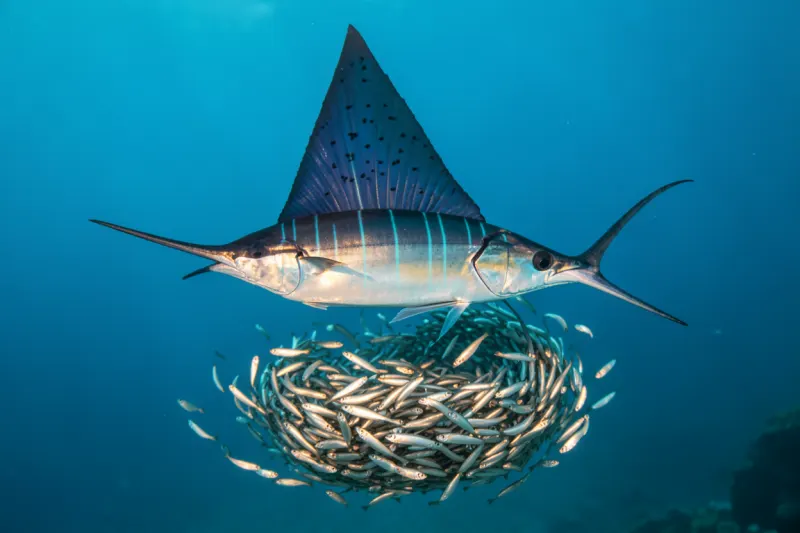
Why the dry season?
The sailfish peak lines up with the dry season, and it's not just because the weather is nicer for fishing. A 2023 study in Frontiers in Marine Science, led by Marina Marrari with FECOP's Todd Staley among the authors, compared catch records from Herradura and Quepos charter boats with satellite ocean data. In both the central and southern Pacific, sailfish numbers peaked from January to April, the time of year with the warmest surface water and the least plankton in the water. The authors link the peak to the fish's liking for warm surface water that's rich in oxygen.
The northern coast runs on the opposite clock. In Guanacaste, the strong Papagayo winds blow from about December to March and churn up colder water, and sailfish there peak from about May to August, after the winds drop. Staley's explanation is that the winds push the fish south toward calmer water off the Central and Southern Pacific. Satellite-tagging work published in 2025 found that sailfish off Costa Rica travel hundreds of kilometres within a few weeks, so a seasonal shift along the coast is entirely possible, but science hasn't pinned down the exact mechanism. Our page on the Papagayo winds explains the northern side of the story.
Good years and slower years
Ocean conditions change from year to year, especially with El Niño and La Niña, and the same 2023 study found that this cycle is the main reason one season differs from the next. It also found that sailfish catch rates from a private Herradura boat fell by about 44% between 2008 and 2021, and by more in the south, and it pointed to commercial fishing pressure as a significant cause. Even so, recent seasons have produced huge tournament numbers (more on that below). The honest takeaway: a good boat in February will usually find fish, but nobody can promise a number.
Where the fish are: the grounds off Los Sueños and Quepos
Sailfish on this coast are an offshore fish. They hunt where the continental shelf drops away into deep blue water, along current edges and wherever bait is balled up near the surface. You won't see them from the beach.
Off Los Sueños and Herradura
Boats from Los Sueños fish roughly 20 to 40 miles out, a run of 1 to 2 hours depending on where the fish are that week. The marina is about 2 hours from San José, which is why it suits short trips; see our guide to fishing near San José for a day trip from the capital.
Off Quepos and Manuel Antonio
Quepos boats fish about 15 to 40 miles off the coast, and the run is usually around an hour. Marlin's Quepos profile calls most days flat calm in season and notes that sailfish often turn up in groups of 2 to 6 or more at a time. The national park waters off Manuel Antonio are closed to fishing, so boats run straight past them to open water.
| Los Sueños (Herradura) | Marina Pez Vela (Quepos) | |
|---|---|---|
| Distance to the grounds | About 20 to 40 miles | About 15 to 40 miles |
| Typical run | 1 to 2 hours | About 1 hour |
| From San José | About 2 hours | About 3 hours |
| Big events | Triple Crown, 3 legs, January to April | A packed calendar, November to June |
| Good for | Short trips, a base near Jacó | The biggest fleet, a stay in Manuel Antonio |
Both are excellent. If you're short on time, Los Sueños saves you an hour in the car. If you want the widest choice of boats, or you'd like to pair fishing with Manuel Antonio, Quepos makes more sense. Our Quepos fishing guide and Jacó fishing page cover each town.
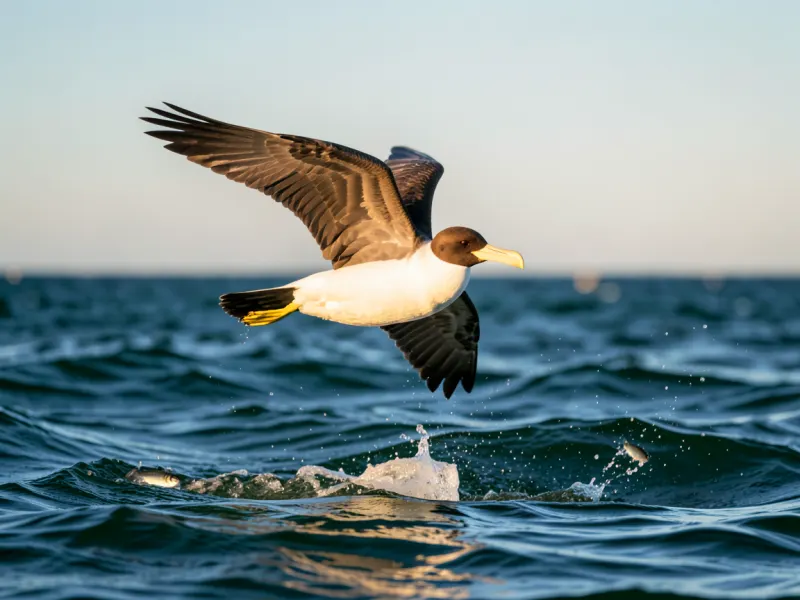
How a sailfish day works
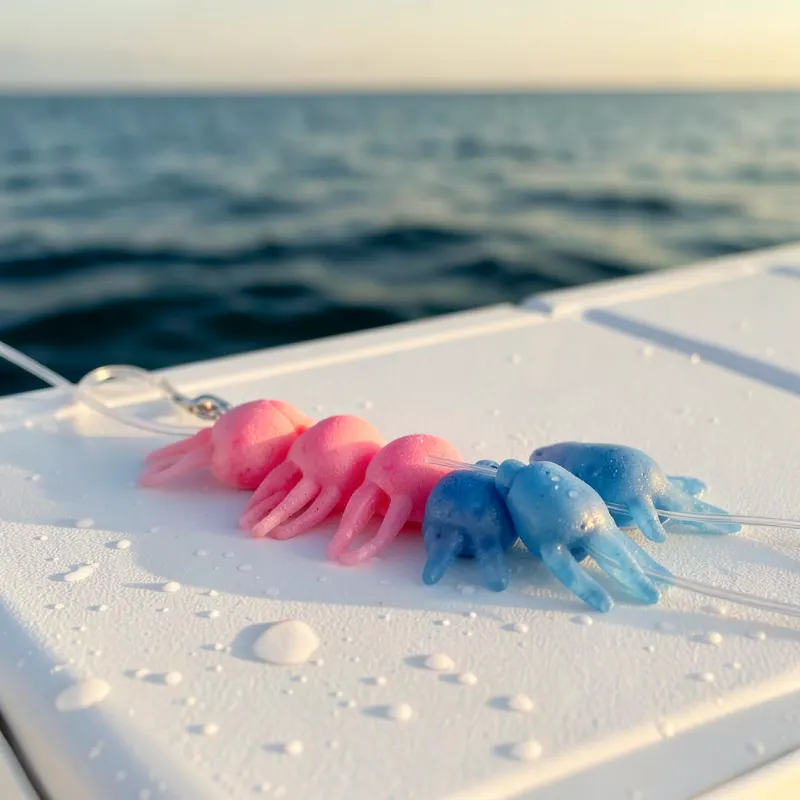
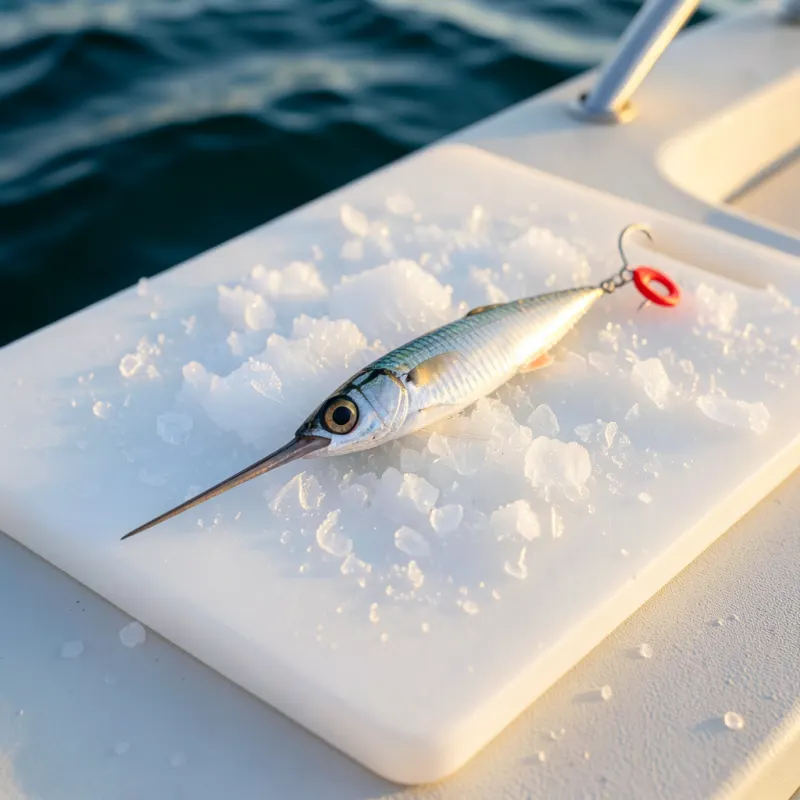
Most sailfish trips are full days. You'll usually meet the boat at around 7 in the morning, and many crews stop to catch live bait on the way out. Once they reach the grounds, the mate sets a spread behind the boat: hookless teasers (rubber squid, plastic lures or chains of them), dredges that look like a small school of baitfish just under the surface, and a few rigged baits.
Then the crew watches. A sailfish that rises behind a teaser lights up and slashes at it with its bill. The mate pulls the teaser away, and the angler drops back a rigged ballyhoo or a live bait. This "bait and switch" is the heart of Central Pacific sailfishing, and the crew talks you through every step: wait for the fish to eat and turn away, let it run a moment, then put the reel in gear and wind. You don't strike hard with a circle hook; it sets itself in the corner of the jaw.
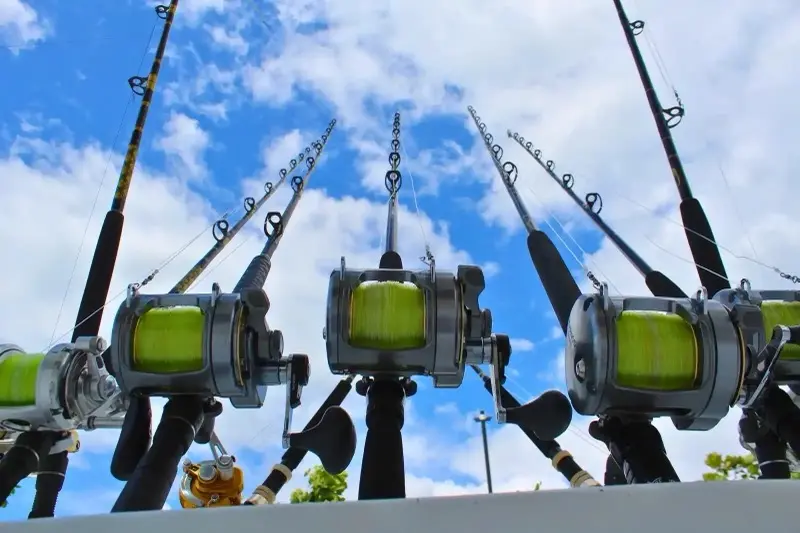
Most boats fish 20 to 30 pound tackle for sailfish, light enough that a fish of 60 to 120 pounds (the usual size here) gives a real fight. On a good day you may raise a dozen fish or more and hook several; on a slow day you might see a handful. Expect jumps, long runs and a lot of shouting.
Fly fishing for sailfish
Some boats at both marinas carry heavy fly tackle and use the same teaser trick: the crew raises a fish, pulls the teaser away, and the angler casts a large fly into the fish's path. If you want to try it, ask for a crew that does it regularly. Our fishing techniques guide explains the method in more detail.
Half day or full day?
The grounds are far enough out that a half day spends much of its time running there and back. Adventure Tours says plainly that a full day is the way to fish for sailfish, and that half days are better spent inshore on roosterfish and snapper. We agree. If a half day is all you have, Quepos's shorter run gives you a better chance than Herradura.
The rules: every sailfish goes back
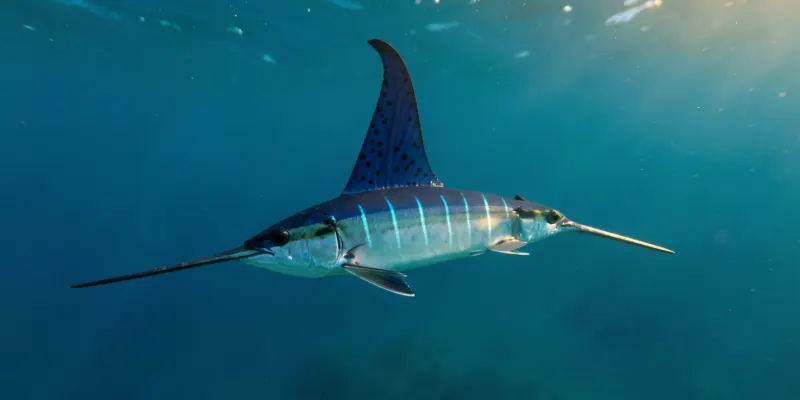
Sailfish and marlin may not be kept by sport anglers in Costa Rica. INCOPESCA, the national fisheries institute, requires circle hooks when you fish natural bait for billfish, and its rules say the fish must stay in the water during the release. That means no lifting a sailfish aboard for photos; the crew will hold it alongside, revive it if needed, and let you lean over for a picture.
Everyone fishing from a boat also needs their own INCOPESCA sport fishing licence, which you can buy online for 8 days, a month or a year. Many crews will sort it out if you send passport details ahead. Our fishing rules guide has the details, and our page on the Pacific sailfish covers the fish itself.
Commercial longline boats are a separate story. In 2023 INCOPESCA cut the share of sailfish they may land as incidental catch from 15% to 10% of each trip's catch, and sailfish may not be exported. FECOP has argued the limit should be lower. For why it matters, and how to release a fish well, see our conservation and catch-and-release guide.
What the tournaments tell you
The big release tournaments are the best public record of how good a Central Pacific season can be, because every fish is counted.
- Los Sueños Triple Crown, 2026. In Leg II, 43 boats released 1,579 sailfish and 14 blue marlin over 3 days, with 655 sailfish on the best day. In Leg III, 40 boats released 2,491 sailfish, and the winning boat, Team Galati, released 111 on its own.
- Pelagic Rockstar, Quepos, January 2026. 117 boats from 14 countries released about 2,338 billfish, almost all sailfish.
- The one-day record. On a single day of the 2016 Triple Crown's second leg, the fleet released 1,103 sailfish.
Those are top crews at the peak, so don't expect those numbers on a family charter, but they show when the fish stack up: January to April, especially mid-February through March.
They also matter for planning. Tournament weeks fill the marinas, the hotels and the best boats. For 2027, the Triple Crown legs are January 20 to 23, February 24 to 27 and March 31 to April 3, and Marina Pez Vela's calendar runs from the Pelagic Rockstar (January 14 to 17) to the Offshore World Championship (April 11 to 15). If you're not fishing a tournament, book around those dates or very early. The full list is in the Central Pacific guide's tournament table, and our tournaments guide covers how entry works.
Booking a sailfish trip
Sailfish boats on this coast range from 28-foot center consoles to 60-foot sportfishers with air-conditioned cabins. A bigger boat is more comfortable on the longer run and in a swell, and it carries a larger spread; a smaller boat can be just as effective on a calm February day. A few questions worth asking any crew:
- Do you fish circle hooks and keep every billfish in the water?
- How many lines and teasers do you run, and do you catch live bait?
- Is the licence included, or do I buy it?
Some crews we've checked that fish the sailfish months (more are in the pillar's outfitter list):
Pez Loco SportfishingQuepos
A 60-foot Viking at Marina Pez Vela, refurbished in December 2025, plus a 43-foot Viking. Its site states that no billfish is killed and that guests can lean over the side for a photo before release. See pezloco.com.
Top Notch Fishing Costa RicaQuepos
One 45-foot Viking with dredge reels and a fighting chair, run by Captain Rolando Gonzales Cruz, who has fished this coast for more than 35 years. It can be chartered for the marina's tournaments. See topnotchfishingcr.com.
Quepos FishingQuepos
Quepos Fishing keeps 3 boats at Marina Pez Vela, from a 28-foot Rampage to a 38-foot Bertram, which makes it easy to match a boat to a small or larger group.
Quepos Fish AdventureQuepos
Quepos Fish Adventure runs its own fleet from 28 to 40 feet and also offers overnight trips far offshore if you'd like a shot at marlin and big tuna after the sailfish.
Adventure Tours Costa RicaJacó
A Jacó tour office with Mavericks and Hatteras sportfishers from 43 to 52 feet at Los Sueños, which publishes a fishing report twice a month. See adventuretourscostarica.com.
If you're staying in Jacó and want help choosing, Jaco Tour Sportfishing and Fishing Charters Costa Rica book boats at Los Sueños and, in the second case, Quepos too.
Weather in sailfish season
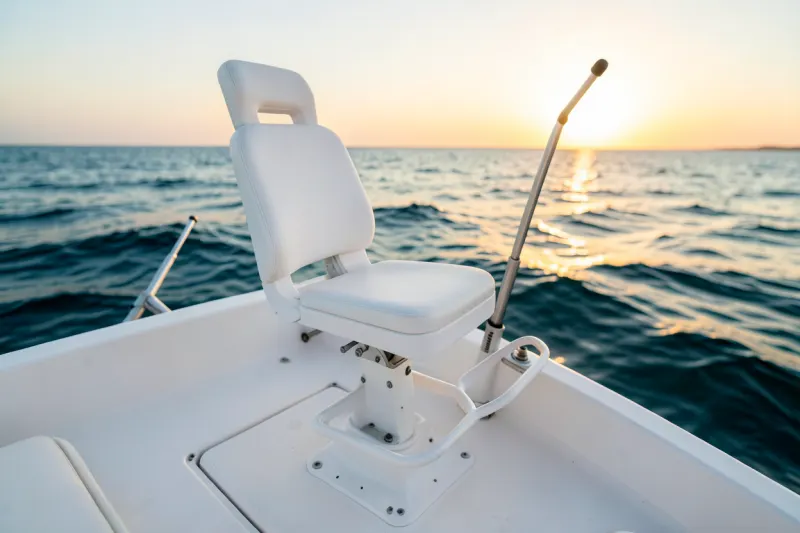
The sailfish months are the dry season, so you'll mostly get sunny days, calm mornings and very little rain. Water temperatures off Herradura sit in the low 80s Fahrenheit (about 27 to 28 °C) heading into the season. Some days bring a breeze in the afternoon, which is one more reason crews like an early start. The rains usually return in late April or May, about when the sailfish thin out. Our weather page has more on the country's climate, and the trip planning guide covers packing and timing.
For the bigger picture of this coast, from roosterfish on the rocks to overnight trips far offshore, go back to our complete Central Pacific fishing guide.
Frequently asked questions
What's the best month for sailfish on the Central Pacific?
February, in most years. December to April is the main season, and January and March are often nearly as good.
Can I catch a sailfish outside the season?
Yes. Sailfish are caught off Los Sueños and Quepos in every month, just in smaller numbers from May to November. In the green season most crews put marlin, tuna, wahoo and dorado first.
How far out do the boats go for sailfish?
About 20 to 40 miles from Los Sueños (1 to 2 hours) and about 15 to 40 miles from Quepos (around an hour). That's why a full day is the better choice.
Can I keep a sailfish?
No. Sport anglers must release every sailfish and marlin, using circle hooks with natural bait and keeping the fish in the water for photos.
Is Los Sueños or Quepos better for sailfish?
Both fish the same season well. Los Sueños is closer to San José; Quepos has a shorter run to the fish and the bigger fleet.
When should I book?
As early as you can for February and March, and steer clear of tournament weeks unless you're fishing the tournament.
Charters and places in this guide

Playa Herradura · marinaLos Sueños Resort and MarinaLos Sueños is a resort community and marina on Herradura Bay, just north of Jacó on Costa Rica's Central Pacific coast. Its…
Quepos · marinaMarina Pez VelaMarina Pez Vela is the big marina on the Quepos waterfront, on Costa Rica's Central Pacific coast, and the dock most Quepos and…
Quepos · charterQuepos FishingQuepos Fishing is a small charter company at Marina Pez Vela in Quepos, on Costa Rica's Central Pacific coast. It runs three…
Quepos · charterQuepos Fish AdventureQuepos Fish Adventure is a Quepos charter company that owns its own fleet of six boats, from a 28-foot inshore boat to a 40-foot…
Jacó · charterJaco Tour SportfishingJaco Tour Sportfishing is a tour office in the center of Jacó that books fishing charters out of Los Sueños Marina and Playa…Quepos · charterFishing Charters Costa RicaFishing Charters Costa Rica is now a booking service rather than a single charter: it lists about 31 private sportfishing boats…Sources
- Billfish angler's guide to Costa Rica (Todd Staley, Sport Fishing Magazine, via FECOP)
- Trends and variability in local abundances of sailfish in Pacific waters of Costa Rica (Marrari and others, Frontiers in Marine Science, 2023)
- Pacific sailfish in the Eastern Pacific, ocean currents and upwelling (Clyde-Brockway and others, Frontiers in Fish Science, 2025)
- Costa Rica fish species and best months, Los Sueños (Adventure Tours Costa Rica)
- The 2026 guide to sailfish in Costa Rica (Adventure Tours Costa Rica)
- Los Sueños and Jacó fishing report, November 15, 2026 (Adventure Tours Costa Rica)
- Spotlight on Quepos, Costa Rica's sailfish and marlin fishery (Marlin, December 2023)
- Team Galati grabs Leg II of the Los Sueños Triple Crown (Marlin, March 2026)
- Team Galati seals 2026 Los Sueños Triple Crown title (Marlin, March 2026)
- Los Sueños Signature Triple Crown sets new tournament record (Marlin, 2016)
- Pelagic Rockstar 2026 results (Marlin)
- Los Sueños Signature Triple Crown, 2027 dates
- Acuerdo AJDIP/280-2014, live bait and billfish handling (INCOPESCA)
- Costa Rica's new sailfish ruling (The Tico Times, 2023)
- Pez Loco Sportfishing (official site)
- Top Notch Fishing Costa Rica, 2026 to 2027 tournament list (official site)


